 by
by Major retailers Target, CVS, and Kroger are joining forces in a new campaign ahead of a sweeping California law that will ban disposable plastic shopping bags starting January 1, 2026. The initiative, called “Break Up With Single-Use Bags,” is rolling out in more than 1,000 Southern California locations this week to prepare shoppers for the change.
Why the Campaign Matters
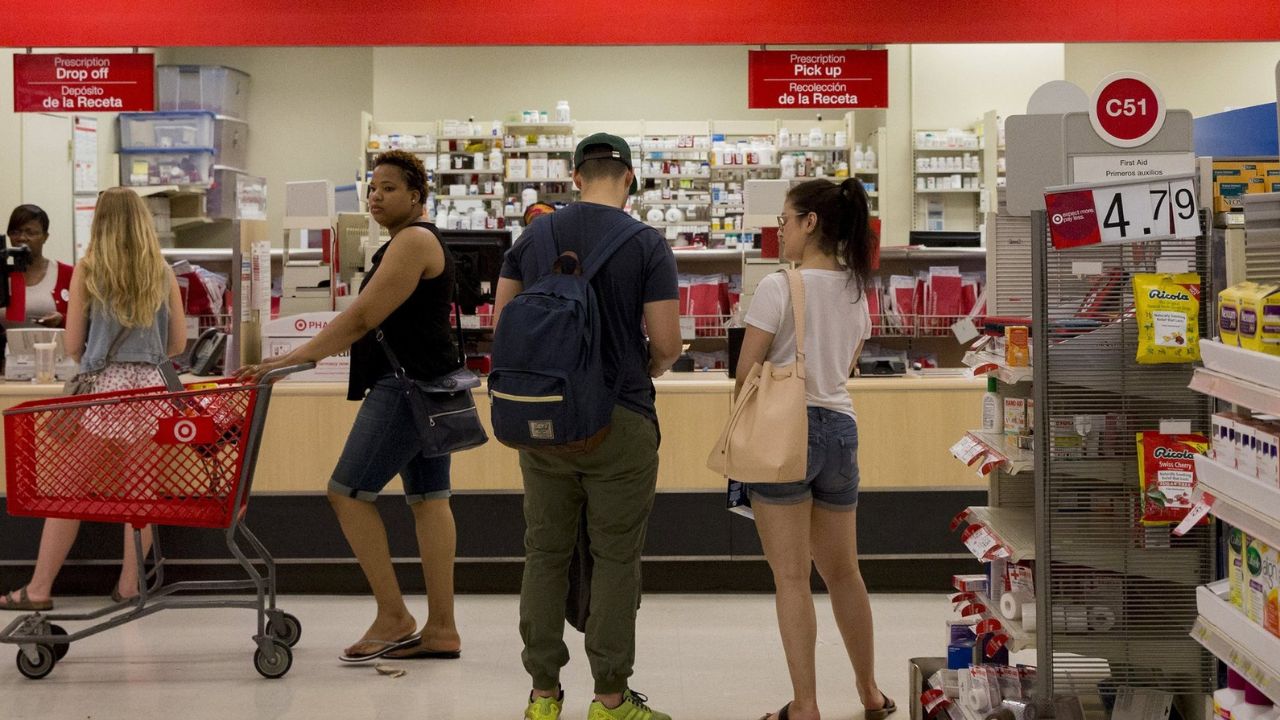
The statewide law will prohibit retailers from offering plastic shopping bags at checkout. Shoppers who do not bring their own reusable bags will need to purchase paper or reusable bags, which will cost at least $0.10 each. Exceptions will be made for prescription bags, unwrapped food, and items needing protection from damage. Those receiving SNAP benefits will be exempt from the charge.
How the Campaign Works
Store signs warning customers of the change will appear in parking lots, entrances, and checkout lanes. The campaign will also run online, on social media, and through television and audio streaming platforms. The Center for the Circular Economy at Closed Loop Partners is spearheading the effort, with the support of major retailers.

“This campaign reflects a growing movement of retailers and communities working together, guided by data and a shared vision, to shift the retail experience toward one that eliminates waste altogether,” said Kate Daly, managing partner at Closed Loop Partners.
Retailer Support
Retailers are emphasizing that the initiative is part of a broader push toward sustainability. “This latest initiative aims to collaboratively address waste in our neighborhoods, stores, and everyday decisions, creating a positive impact for individuals and the planet,” said Jenny McColloch, CVS Health vice president of sustainability and community impact.
A National Trend
Plastic bag bans are gaining traction across the country. As of 2021, over 500 municipalities in 28 states had legislation in place. Twelve states already have statewide bans, including Colorado, Connecticut, Delaware, Hawaii, Maine, New Jersey, New York, Oregon, Rhode Island, Vermont, and Washington.
According to Environment America and the U.S. PIRG Education Fund, such bans can eliminate nearly 300 single-use plastic bags per person per year. In cities and states with established bans, consumption has dropped by billions of bags annually.

“The bottom line is that plastic bag bans work,” said Faran Savitz of the PennEnvironment Research & Policy Center. “It’s easy to live without plastic bags and get used to bringing a bag from home or skipping one altogether. That means less waste and less litter—and a better planet for our children.”