
 by
by Across much of the United States, a tiny and often unnoticed creature may be living just beneath your feet — and it has a trait most people would never expect from a mammal.
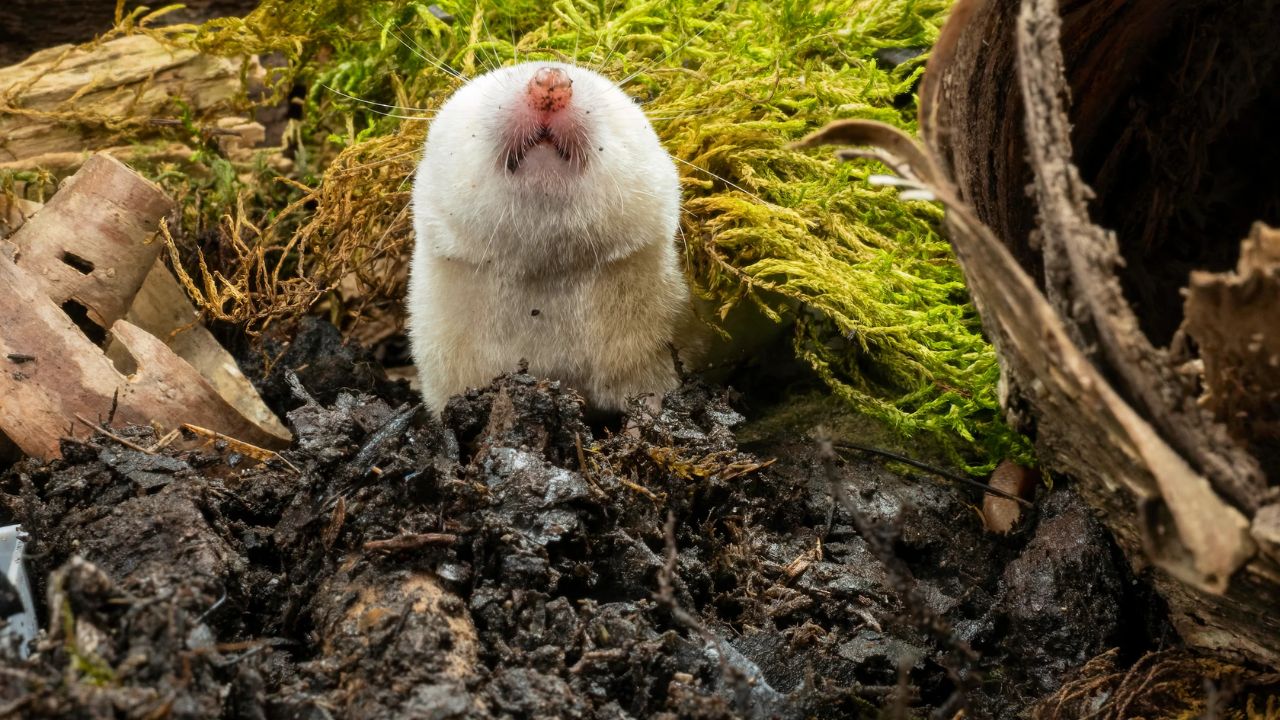
The northern short-tailed shrew, found throughout the eastern half of the country, is one of the very few venomous mammals known to science.
Despite its small size — often compared to a mouse — this animal plays a unique and somewhat startling role in local ecosystems.

One of Nature’s Rare Venomous Mammals
Venom is typically associated with snakes, spiders, or insects. But the northern short-tailed shrew stands out as an exception.
It produces venom in specialized glands and delivers it through grooved teeth. This venom acts as a paralytic, allowing the shrew to immobilize its prey.
Unlike many predators, the shrew does not always kill immediately. Instead, it may store prey in a paralyzed state for later consumption.
What Do Shrews Eat?
These small mammals are highly active hunters and consume a wide variety of prey, including:

- Insects
- Earthworms
- Snails
- Small rodents
- Amphibians like toads
Their fast metabolism requires them to eat frequently — sometimes consuming multiple times their body weight in a single day.
Where Are They Found?
The northern short-tailed shrew is commonly found in:
- Gardens and yards
- Forest floors
- Leaf litter and mulch beds
They are especially widespread across the eastern United States, from the Midwest to the Northeast and parts of the South.
Because of their underground and nocturnal habits, most people never realize they are nearby.
Are They Dangerous to Humans?
Despite their venomous ability, experts say these shrews pose minimal risk to humans or pets.

Their venom is not strong enough to seriously harm larger animals. However, a bite could still cause irritation, so it’s best to avoid handling them.
A Key Part of the Ecosystem
While their hunting behavior may sound alarming, shrews actually play an important ecological role. They help control insect populations and contribute to the balance of small animal ecosystems.
At the same time, they are also prey for larger animals such as owls, hawks, and foxes.
A Hidden World Beneath Our Feet
The existence of venomous mammals in everyday environments highlights how much remains unseen in nature.
Even in suburban backyards, complex food chains and unique adaptations are constantly at work.
For many people, learning about creatures like the northern short-tailed shrew can change how they view their surroundings — turning an ordinary yard into a place full of hidden activity.
Final Thoughts
While the idea of a venomous mammal in your backyard may sound surprising, these tiny creatures are generally harmless to humans and play a valuable role in nature.
Their presence is a reminder of how diverse and fascinating wildlife can be — even in familiar places.
Did you know venomous mammals existed in your area? Share your thoughts in the comments below.