 by
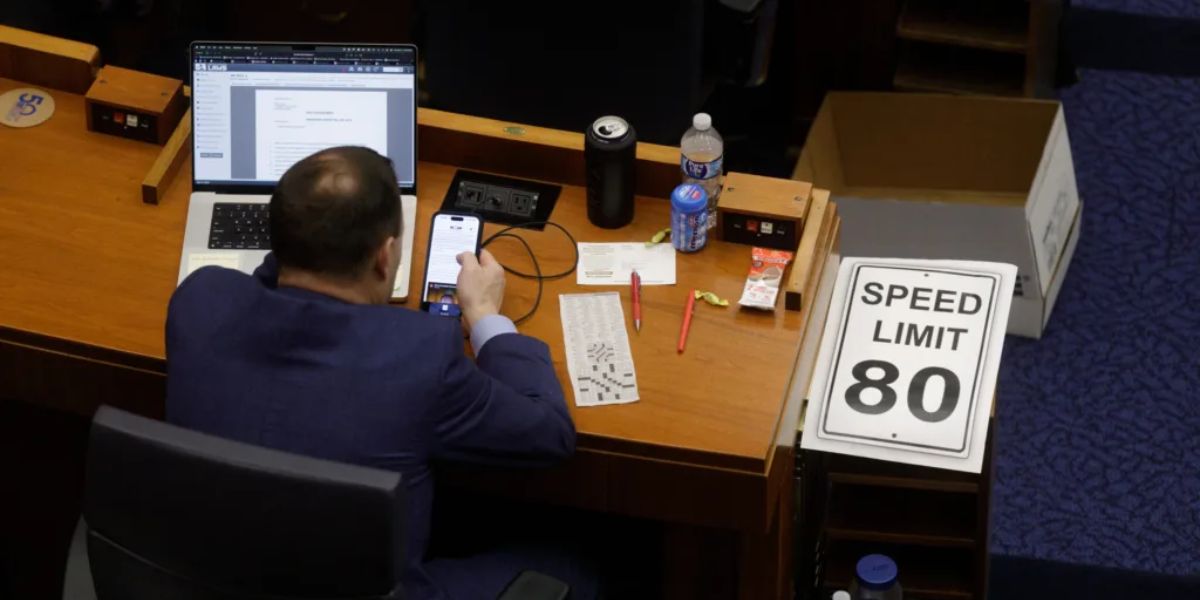
by North Dakota is set to increase its interstate speed limit to 80 miles per hour, aligning with neighboring states South Dakota and Montana. Governor Kelly Armstrong signed the legislation on Monday, officially approving the change along with a new system of increased fines for speeding violations.
“This bill strikes a reasonable balance by aligning North Dakota’s interstate speed limit with two of our three neighboring states and increasing fines as a deterrent to speeding,” Armstrong said in a statement.
The new speed limit will take effect on August 1, making North Dakota the latest state to adopt the higher limit for its interstate highways. Meanwhile, Minnesota, North Dakota’s other neighbor, maintains a top interstate speed limit of 70 mph.

The move comes after a similar proposal was vetoed in 2023 by then-Governor Doug Burgum. This year, however, House Bill 1298 successfully passed both chambers of the North Dakota Legislature before the session concluded on Friday.
In addition to raising the speed limit, the bill introduces a revamped system for calculating speeding fines across the state:
- For roads with a speed limit of 65 mph or higher: The fine will be either $20 or $5 for every mile per hour over the limit, whichever is greater.
- For lower-speed zones: The fine will be $20 or $3 for every mile per hour over the limit, whichever is greater.
- In both categories, drivers caught speeding more than 16 mph over the limit will face an additional $20 fine.
- In construction zones with workers present, the fine for speeding will increase significantly—from an additional $80 to $150.
Supporters of the bill argue the changes will improve consistency with neighboring states, reduce driver confusion, and encourage safer driving through increased penalties for violations.
The new law reflects a growing trend among western and Midwestern states to adopt higher speed limits on interstate highways, particularly in rural areas with long stretches of open road.