
 by
by Kansas City, MO – A 68-year-old man is dead and a 50-year-old woman is in critical condition after the roof and front facade of a Family Dollar store collapsed Sunday afternoon in Kansas City, Missouri. The tragic incident is now raising urgent concerns about building safety protocols and the oversight of aging commercial structures.
The collapse occurred around 2:45 p.m. near the store’s main customer entrance, according to the Kansas City Fire Department (KCFD). Authorities believe the man may have been walking past the store when the front of the building gave way. The woman was also nearby at the time of the incident and suffered life-threatening injuries.
Collapse Highlights Structural Oversight Concerns

The partial building collapse has prompted scrutiny of current inspection procedures and whether earlier warning signs were missed.
- It has been reported that inspection records revealed the building had been “slowly tilting” as of Friday — just two days before the collapse.
- The structure is now considered unsafe, and the underlying cause of the failure has not yet been determined.
- KCFD Battalion Chief Mike Hopkins stated that it is unclear when the building was last officially inspected. He confirmed that investigators will review the store’s maintenance and structural records to assess whether any past warnings were issued or ignored.
Ongoing Investigation and Safety Measures
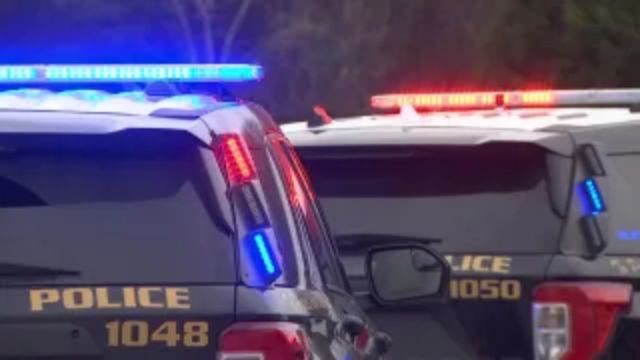
- The Kansas City Police Department (KCPD) is leading the investigation to determine the exact cause of the structural failure.
- Officials are particularly focused on whether the reported tilting on Friday should have triggered immediate safety precautions or an evacuation.
- Broadway Boulevard remains closed between 36th Street and 38th Street as public works crews remove debris and assess further risks.
- Drivers are advised to expect ongoing lane closures in the area until the building is secured or demolished.
This fatal collapse underscores the urgent need for improved monitoring of older commercial properties and more responsive inspection protocols, especially when visible structural concerns are reported.