
 by
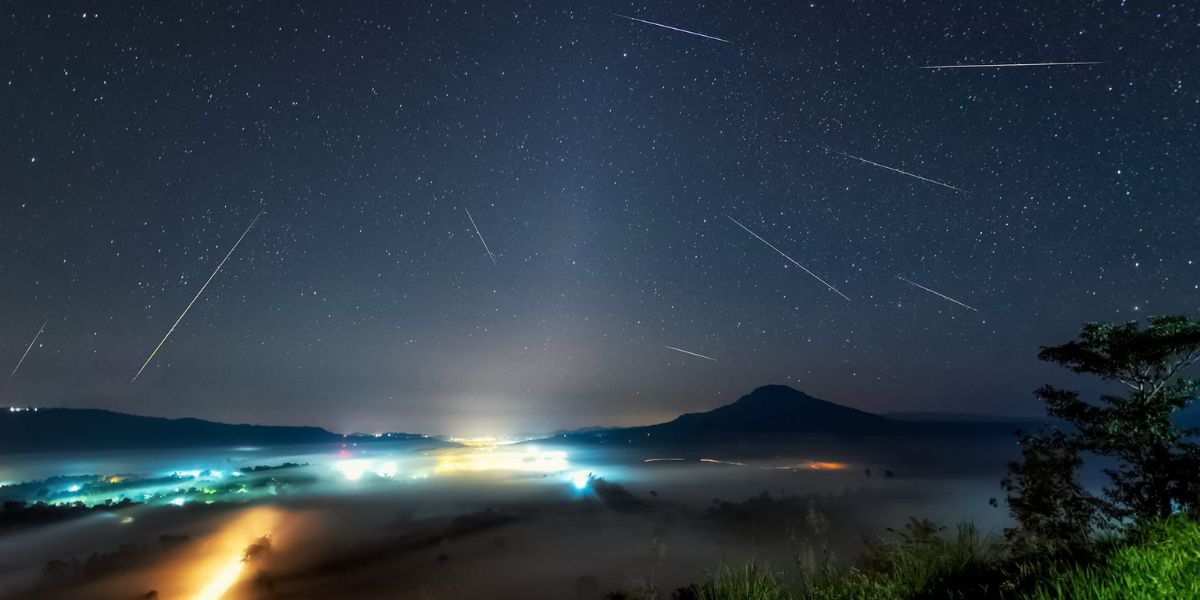
by California sky-watchers are in for a cosmic treat this summer, with multiple meteor showers lighting up the night sky. Here’s what to watch out for in July 2025:
Southern Delta Aquariids
- Dates: Active July 18–August 12; peaks July 29–30
- Meteor rate: Around 15–20 per hour, with potential for bright fireballs
- Viewing tips: Best seen early in the morning, away from city lights; radiant lies in Aquarius, near Delta Aquariids.
Alpha Capricornids
- Dates: July 7–August 15; peaks July 29–30
- Meteor rate: Typically 2–5 meteors per hour, but known for occasional bright fireballs
- Viewing tips: Look toward the Capricornus constellation; best views after midnight
Perseid Meteor Shower
- Dates: July 14–September 1; peak activity August 11–13
- Meteor rate: Can reach 50–75 per hour; under ideal conditions, up to 100 per hour
- Viewing tips: Best seen midnight to dawn, in dark rural areas
- Moon interference: A bright full moon around Aug 9 may reduce visibility by ~75%; still worth watching from late July to early August
General Viewing Advice for July
- Early evening – catch the Southern Delta Aquariids after dark
- Late night to dawn – best time for Alpha Capricornids and early Perseids
- Location matters – seek dark skies, away from urban light pollution
- Allow eyes to adjust—avoid phone screens for 30 minutes
Key Dates to Remember
- July 29–30: Peaks for Delta Aquariids and Alpha Capricornids
- July 24: New moon, ideal for dark-sky viewing
- August 11–13: Primo Perseid meteor peak (brace for moonlight interference)
Whether you’re a seasoned astronomer or a curious novice, July’s skies promise dazzling displays. Bundle up, find a cozy dark spot, and prepare to be awed by nature’s celestial fireworks.