 by
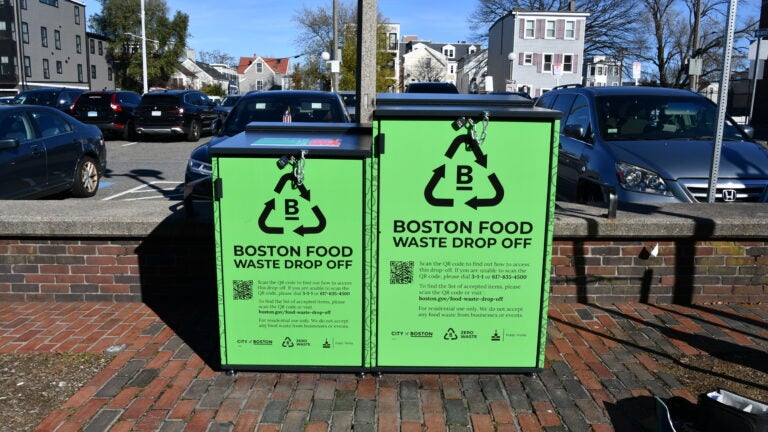
by The newest communities to receive a city-run compost bin where locals may dispose of their food waste for free are Beacon Hill, Fenway, and the West End.
According to Madeline Montgomery, coordinator of the city’s waste reduction team’s zero waste program, Project Oscar has grown significantly during the previous 12 months. In 2024, the project has 14 locations at this point. There are already 20 compost bins located across the city thanks to the three most recent additions, which opened in June.
According to Montgomery, we’ve received a lot of feedback from locals who want more of these containers and easier access to them. We’ve been paying close attention to people and trying to understand what works for them and where they want to be.

According to Montgomery, the city has gathered almost 108,000 pounds of food leftovers so far this year. According to the city, Black Earth Compost gathers the waste to create compost, which the New England company then distributes to nearby farmers.
According to Montgomery, Bostonians who live in large residential buildings with more than six units are not eligible for the free curbside composting program, although some households can sign up. Those locals can utilize the compost containers in the neighborhood instead.
Food scraps, coffee grounds, tea bags, paper goods, flowers, and wine corks can all be disposed of in the Oscar bins rather than in the ordinary trash cans. Separating food leftovers can improve soil health, the environment, and prevent the kitchen from smelling bad, according to Montgomery.
However, the city cautions that some items should not be placed in the bins: pizza boxes, oils, pet waste, biodegradable diapers, cigarette butts, yard debris, dryer lint, styrofoam, plastic bags, and charcoal. According to Montgomery, the city must pay more to have the compost disposed of correctly because of higher contamination rates.

Following a trial, the crew decided to equip all of the bins with locks that locals can open. 214 is the lock combination.
Montgomery stated, “We want to make sure that the food scraps that these residents put in here are actually getting composted in order to ensure that this program is sustainable.” We can make sure that it is composted more effectively when there is less pollution.
The bins are located in City Hall Plaza in Charlestown, Chinatown, East Boston, South End, South Boston, Roxbury, Roslindale, the North End, and Mission Hill, as well as in the majority of Boston’s neighborhoods, including three in Brighton and two in Jamaica Plain.
Molly Farrar works for Boston.com as a general assignment reporter, covering topics such as politics, crime, and education.
Sign up for the Today newsletter
Receive all the information you require to begin your day, given directly to your inbox each morning.