
 by
by Green Bay, Wisc. – As Wisconsin endures dangerously cold temperatures well below zero, residents are being warned that the extreme cold can pose risks not only to their health but also to their vehicles. Drivers have reported windshield cracks developing after exposure to freezing conditions, prompting local experts to explain the science behind the sudden damage.
Overview
Reports of cracked windshields have increased as residents start their vehicles to warm up interiors during the sub-zero weather. Auto glass professionals say the rapid temperature changes are the primary cause of the damage.
Adam Bennett, an Auto Glass Technician at Tri City Glass and Door, explained that the extreme cold causes the glass to contract, and when drivers turn on their car heaters, the glass expands rapidly, often leading to cracks spreading across the windshield.

“A lot of it is the expanding and contracting of the windshield, so the cold causes the glass to contract, and then when people start their vehicles to heat them up, then you get a lot of expansion,” Bennett said. “When it expands, the crack will typically spread.”
Timeline and Common Causes
Cracks often start as small chips or minor fissures in the windshield, which can worsen during temperature fluctuations. Vehicles with previously repaired chips may be at greater risk, as the structural integrity of the glass can be compromised.
Experts say that even a seemingly minor crack or chip can grow rapidly when exposed to frigid temperatures combined with the heat from a vehicle’s defroster or heater. Drivers are advised to be cautious when warming up vehicles and to avoid applying sudden heat directly to the windshield.
Recommendations for Drivers
To prevent windshield damage in extreme cold:

- Avoid rapid heating of the windshield; gradually increase interior temperature.
- Check for chips or cracks before winter weather hits, and repair them promptly.
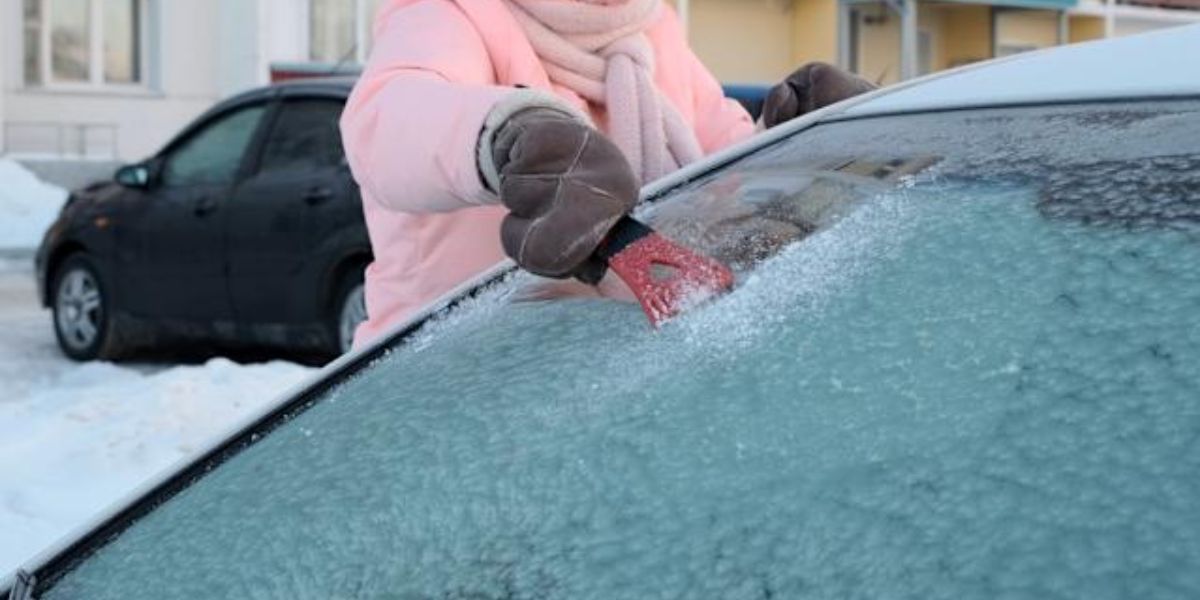
- Use a soft scraper to remove ice rather than applying hot water directly to the windshield.
- Park in a garage or sheltered area when possible to reduce exposure to extreme cold.
Experts emphasize that attention to these precautions can prevent minor chips from turning into larger, dangerous cracks, which may impair visibility or require windshield replacement.
Conclusion
Wisconsin drivers are facing risks beyond the frigid temperatures themselves, as extreme cold can cause windshield cracks due to rapid contraction and expansion of glass. Vehicle owners are encouraged to inspect their windshields, address minor chips early, and warm cars gradually to avoid costly and hazardous damage.
Share your experiences in the comments below.