
 by
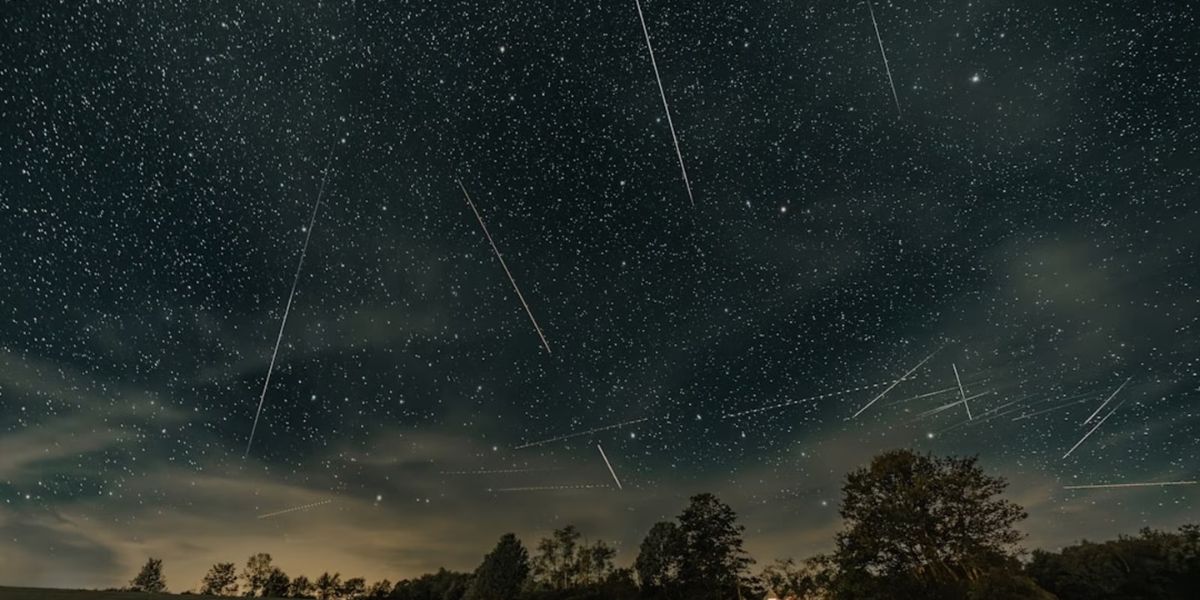
by Utah’s vast deserts and certified dark sky parks make it one of the top places in the world to experience meteor showers. In August 2025, two meteor showers—the Perseids and the Kappa Cygnids—will light up the skies across the state, offering a chance for unforgettable nights under the stars.
1. Perseid Meteor Shower
- Peak Dates: August 11–13
- Best Night: August 12 into the early hours of August 13
- Best Viewing Time: Midnight to 4:30 AM
- Meteor Rate: Up to 100 meteors per hour in dark conditions
- Moon Phase: Waning crescent, allowing mostly dark skies
The Perseid meteor shower is one of the brightest and most active of the year. This year, with minimal moonlight interference, viewers across Utah will have optimal conditions to catch dozens of meteors streaking through the sky every hour.
2. Kappa Cygnid Meteor Shower
- Peak Dates: August 17–18
- Best Viewing Time: 1:00 AM to 4:00 AM
- Meteor Rate: 3–5 meteors per hour
- Moon Phase: Waning crescent
Though not as intense as the Perseids, the Kappa Cygnids are known for occasional bright, slow-moving meteors. It’s a quieter but still worthwhile show for night sky enthusiasts.

Best Places to Watch in Utah
- Bryce Canyon National Park: Renowned for its stargazing programs and status as a certified International Dark Sky Park, Bryce Canyon often hosts ranger-led astronomy events during meteor showers. The high elevation and minimal light pollution make this an ideal location.
- Arches National Park and Dead Horse Point State Park: Near Moab, these parks offer expansive desert views and excellent dark skies. The surrounding sandstone formations add a unique scenic backdrop to the meteor display.
- Antelope Island State Park: Located in the Great Salt Lake, this park is easily accessible from Salt Lake City and offers wide, dark skies ideal for viewing. Park rangers sometimes organize stargazing nights during major showers.
- Cedar Breaks National Monument: At over 10,000 feet elevation, this site offers crystal-clear skies and is known for regular night sky festivals. Visitors should check for any scheduled special programming around August 12.
- Capitol Reef National Park: This remote park offers some of the darkest skies in the country. While formal events may not be held nightly, the park’s backcountry roads and scenic overlooks are perfect for watching the Perseids in solitude.
Viewing Tips and Special Arrangements
- Arrive Early: Arriving before nightfall allows time to get familiar with your surroundings and find a comfortable spot.
- Bring Essentials: A reclining chair or sleeping bag, warm clothing, water, and snacks are recommended for late-night viewing.
- No Equipment Required: The meteor showers are best enjoyed with the naked eye. Just find a dark spot, lie back, and look up.
- Avoid Light Pollution: Even small towns can interfere with night sky visibility. Head toward the dark sky parks or remote public lands for the best experience.
- Possible Public Programs: Many of Utah’s national and state parks have night sky ranger talks or astronomy volunteers on meteor shower nights. While not guaranteed, visitors are encouraged to inquire at park visitor centers in early August.
With clear skies, high elevations, and minimal light interference, Utah provides some of the most spectacular meteor viewing in the country. Whether you join a public stargazing event or explore the backcountry on your own, August 2025 will be a month to remember for night sky watchers.