 by
by Once a proud hub of America’s coal production, McDowell County now holds a far more somber title: the highest unemployment rate in the state of West Virginia. With joblessness affecting over 12% of its workforce, McDowell County’s story reflects the broader economic challenges facing many Appalachian communities struggling to reinvent themselves in the post-coal era.
For decades, West Virginia’s economy thrived on the strength of its natural resources. Coal mining provided not only jobs, but also identity and stability for entire generations. However, the decline of the coal industry—spurred by environmental regulations, market changes, and the rise of alternative energy—has left a gaping hole in the state’s economy.
The Collapse of Coal Country
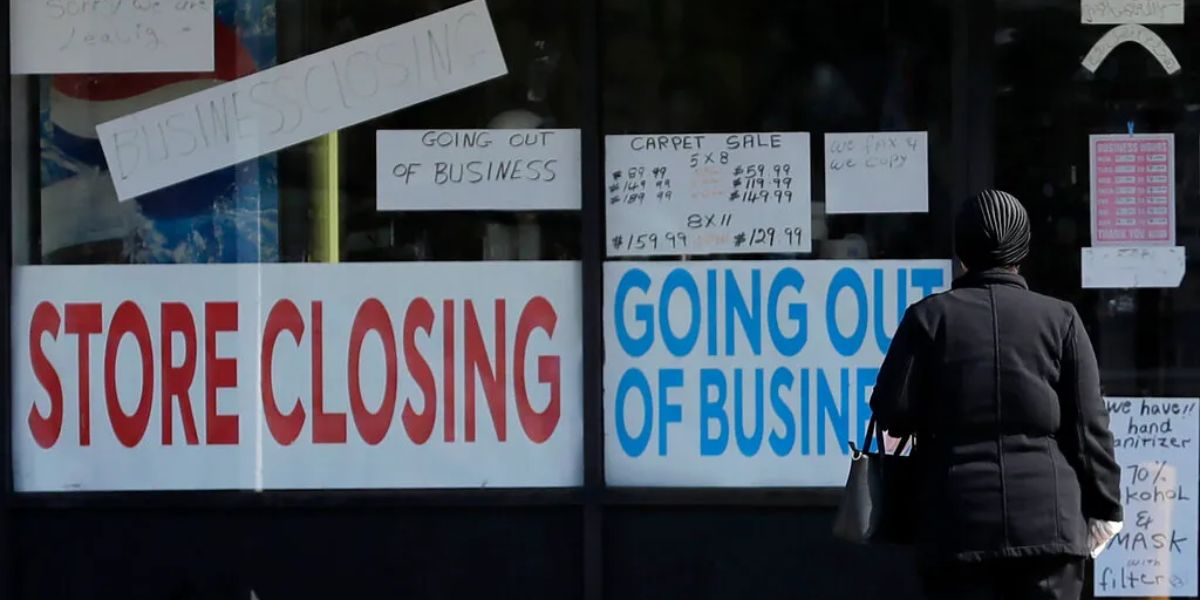
In McDowell County, the effects have been especially devastating. Entire towns that once bustled with miners and their families are now dotted with shuttered businesses, decaying infrastructure, and for-sale signs that never come down.

“Everything we had was tied to coal,” said longtime resident Mark Turner. “When the mines closed, so did our way of life.”
With limited industry diversification, few alternative employment opportunities have emerged. Younger generations are leaving in search of better futures, hollowing out communities already strained by poverty, addiction, and aging populations.
Statewide Impact and Broader Trends
While McDowell County is the most severely impacted, it is not alone. West Virginia’s overall unemployment rate remains higher than the national average, with rural areas across the state facing similar struggles. According to the West Virginia Department of Commerce, multiple counties have seen steady declines in job availability, labor force participation, and population.
Experts point to the state’s reliance on a single industry as a key reason for the economic instability.

“We built our economy around one resource, and when that resource fell out of favor, we didn’t have a Plan B,” said Dr. Elaine Sutton, an economist at Marshall University.
Barriers to Recovery
The road to recovery is complex. West Virginia faces a major skills gap, where many former coal workers lack the training or credentials for jobs in growing sectors like healthcare, advanced manufacturing, or technology. Infrastructure gaps—especially in broadband internet—make it difficult to attract remote jobs or new business investment.
Transportation remains another challenge. Poor road access in many rural counties makes it difficult for goods, services, and people to move efficiently. Combined with strained public services, these factors further discourage economic growth.
Signs of Hope and Statewide Initiatives
Despite the grim outlook, efforts are underway to rewrite the future of McDowell County and similar communities. Several job training and workforce development programs are focused on helping displaced workers learn new skills. Nonprofits and local governments have collaborated to expand internet access and create small business incubators in once-abandoned downtown buildings.
The state has also begun offering tax incentives and grants to companies willing to open shop in economically distressed areas. In McDowell, small success stories—like the reopening of a local health clinic and the creation of a solar panel training center—offer a glimpse of what’s possible.

Governor Jim Justice has said in recent statements that “we must invest in our people and give them the tools they need to succeed in a new economy.”
Community organizers agree.
“If we can give people purpose and a path forward, we can start to rebuild,” said Nicole Anderson, who leads a youth mentorship program in Welch, the county seat of McDowell.
Conclusion: A Future Beyond Coal
West Virginia stands at a pivotal moment. The state’s history is one of grit and perseverance—but rebuilding will take more than resilience. It will require coordinated investment in infrastructure, education, healthcare, and industry diversification.
As McDowell County struggles under the weight of joblessness, it also serves as a powerful symbol: a reminder of what happens when economic transformation is delayed—but also of the potential that remains when communities are given the chance to rise again.