
 by
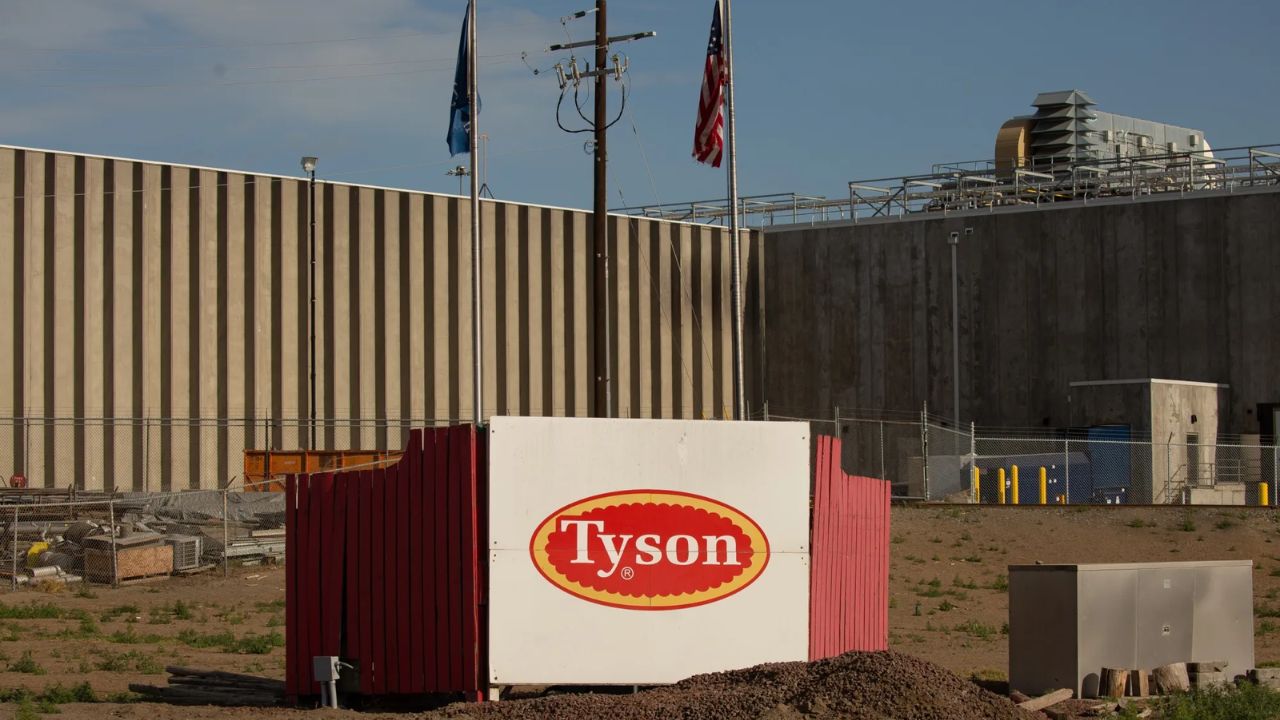
by Amarillo, TX — The U.S. beef industry is facing a critical challenge as Tyson Foods announces large-scale layoffs and plant closures, citing historically low cattle supplies and mounting financial losses. The move is expected to impact approximately 1,700 workers at the Amarillo, Texas, plant and 3,200 employees at the Lexington, Nebraska, facility, according to Reuters.
Tyson’s Amarillo Plant Reductions
The Amarillo facility, capable of processing 6,000 cattle per day, is a significant employer in Texas. Tyson will reduce operations to a single full-capacity shift, reflecting the challenges facing the beef-processing sector. The decision underscores the strain on local economies that rely heavily on beef production.
Lexington, Nebraska Plant Closure
In addition to the Amarillo cuts, Tyson announced it will shut the Lexington plant completely by January 2026. The closure of this facility will affect roughly 3,200 workers, adding to the ongoing concerns about employment and economic stability in cattle-rich regions.

Beef Supply Shortages Drive Industry Challenges
The U.S. cattle herd has fallen to its lowest level in nearly 75 years, forcing meatpackers to pay premium prices for limited livestock. Tyson’s beef division has reported $426 million in losses over the last 12 months, with projected losses of up to $600 million for fiscal 2026.
Texas, in particular, is experiencing a rare downturn in its cattle industry. According to the USDA, the beef-cow inventory in Texas dropped to 4.08 million animals, the lowest in over a decade. Factors such as drought, inflation-driven feed and operational costs, and shrinking herd numbers have made profitability increasingly difficult.
Rancher Robby Kirkland, general manager of Kirkland Feedyard, said, “This is the lowest, the lowest headcount in Texas I’ve seen in my 30 years.” Attempts to open federally managed lands for grazing are limited, as 93 percent of Texas land is privately owned, raising concerns about long-term sustainability.
Tyson Foods’ Response
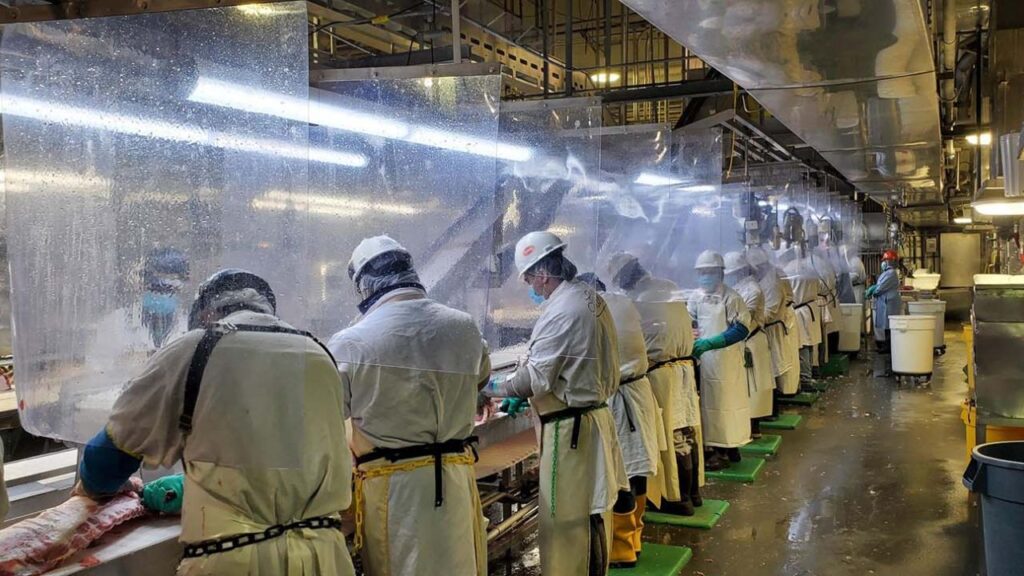
In a statement, Tyson Foods expressed concern for impacted employees and pledged support through relocation benefits, assistance in applying for positions at other facilities, and a commitment to sustaining protein supply.

Tyson emphasized: “With these changes, Tyson Foods is ensuring that it will continue to deliver high-quality, affordable, and nutritious protein for generations to come.”
Political and Community Reactions
Nebraska Senator Pete Ricketts responded to the Lexington plant closure, stating:
“I will do everything I can to support the Nebraskans who are impacted by the decision to close the Tyson Foods plant in Lexington…This news is especially heartbreaking around the holidays.” He encouraged residents to keep the Lexington community in their prayers.
Looking Ahead for the Beef Industry
The restructuring by Tyson reflects broader trends in the U.S. beef market. The USDA anticipates domestic beef production may decline by an additional 2 percent in 2026.
The fate of affected workers remains uncertain, including whether they will find positions at other Tyson facilities or if other processors will purchase the closed plants. Meanwhile, consumer beef prices continue to rise due to tight supplies, creating added pressures on the industry and households alike.

How do you think Tyson’s layoffs and plant closures will affect local communities and the beef industry? Share your thoughts in the comments below!