
 by
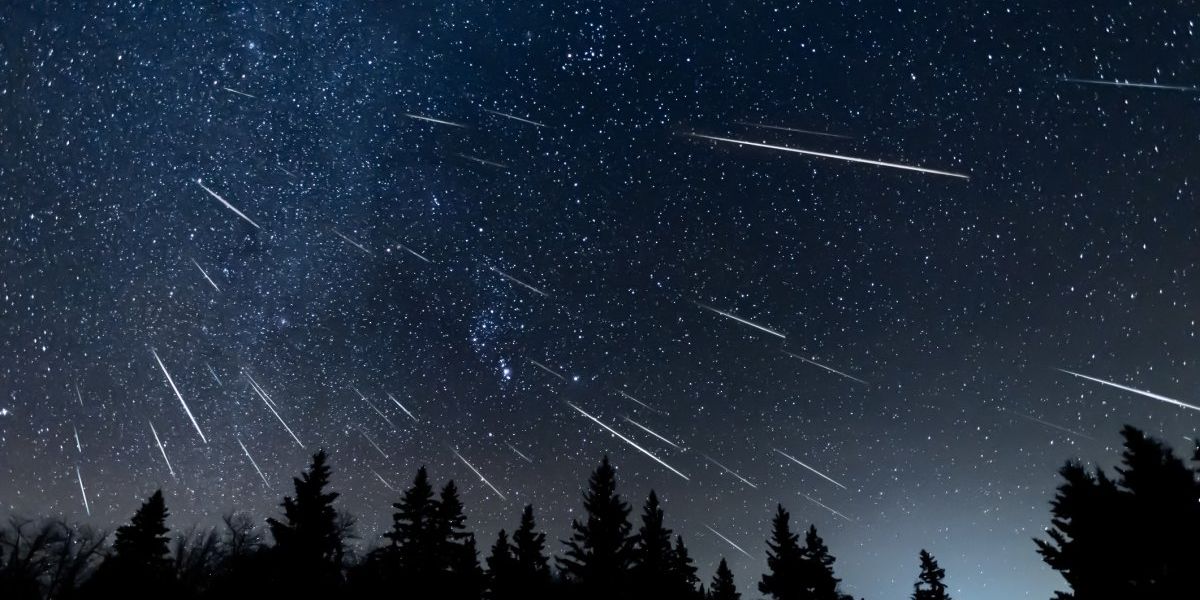
by Skywatchers across the United States are in for a rare celestial treat this week as two meteor showers—the Southern Delta Aquariids and the Alpha Capricornids—are set to peak in tandem, offering a dazzling double display of “shooting stars” in late July.
What Causes Meteor Showers
Meteor showers occur when the Earth passes through streams of debris left behind by comets or, in some cases, asteroids. As this debris enters our atmosphere, the intense friction causes it to ignite and burn up, briefly illuminating the sky with fiery streaks known as meteors.

These events appear to originate from a single point in the sky, creating what astronomers call a radiant. When multiple meteors come from that same area, it becomes a meteor shower.
When to Watch
Both the Southern Delta Aquariids and the Alpha Capricornids will reach their peak early on July 30. With the moon only a quarter full, minimal light interference is expected, making for better visibility—especially in areas far from city lights.
Under optimal dark sky conditions, each meteor shower can produce up to a dozen meteors per hour. Their overlapping activity means viewers may catch an even higher number of meteor sightings in a short period of time.

Expert Tips for Viewing
Thaddeus LaCoursiere, a planetarium program coordinator at the Bell Museum in St. Paul, Minnesota, described both showers as “very nice classic meteor showers.” He encouraged observers to look for brief flashes of light in the sky and noted that no telescopes or special equipment are required.
To get the best view, experts recommend heading to a dark location away from artificial lighting. The early morning hours before dawn are ideal, as the moon will be low and the sky darkest.
Allow your eyes at least 20 minutes to adjust to the dark, and avoid looking at phones or other light sources during your observation.
Nick Moskovitz, an astronomer at the Lowell Observatory in Flagstaff, Arizona, noted that the Alpha Capricornids tend to produce slower-moving meteors. These may leave longer-lasting trails, making them more dramatic and easier to spot.

Looking Ahead
The meteor activity will remain visible into mid-August. After this week’s double display, stargazers can look forward to the Perseid meteor shower, one of the most anticipated annual celestial events. It is expected to reach peak activity in mid-August and could offer an even more spectacular show.
Whether you’re an amateur astronomer or simply enjoy the night sky, this week provides a great opportunity to witness a rare and beautiful astronomical phenomenon. Find a quiet spot, look up, and enjoy the show.