
 by
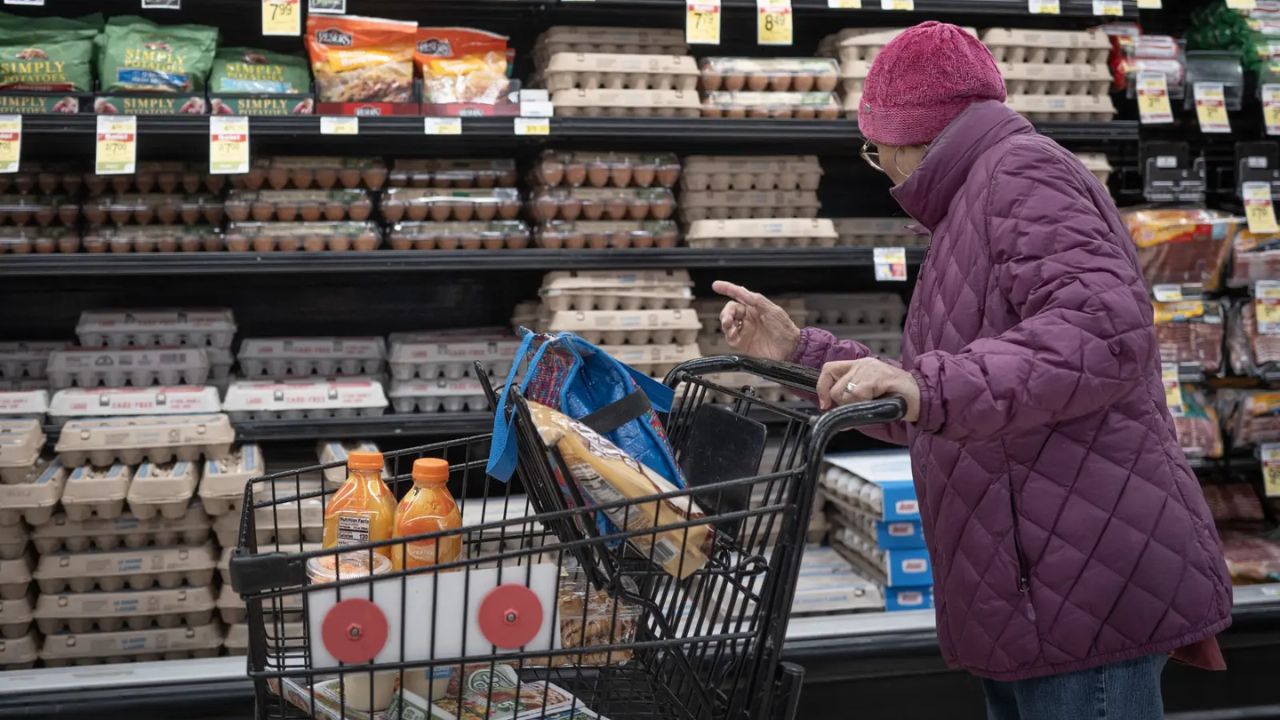
by Washington, D.C. – President Donald Trump on Friday signed an executive order that removes tariffs on a wide range of commodities, including beef, coffee, and several tropical fruits such as bananas. The initiative is aimed at easing consumer frustration over high prices at grocery stores across the United States.
The announcement follows off-year elections earlier this month, where voters indicated that economic concerns were their top priority. These concerns contributed to significant Democratic wins in Virginia and New Jersey, signaling to the administration the need for measures that directly address rising costs for households.
Agreements With Latin American Countries Key to Tariff Removal
The executive order comes after the United States reached framework agreements with Ecuador, Guatemala, El Salvador, and Argentina to reduce import levies on agricultural goods from these nations. Earlier in the week, President Trump had highlighted plans to lower tariffs on coffee, citing the country’s reliance on foreign suppliers for this key commodity.

A White House fact sheet explains that the new agreements allow the government to eliminate “reciprocal tariffs” on products that are not produced domestically in sufficient quantities. This includes coffee and bananas from Ecuador and beef from Argentina, which officials say will help alleviate grocery price pressures on American consumers.
Beef Prices and Political Pressure
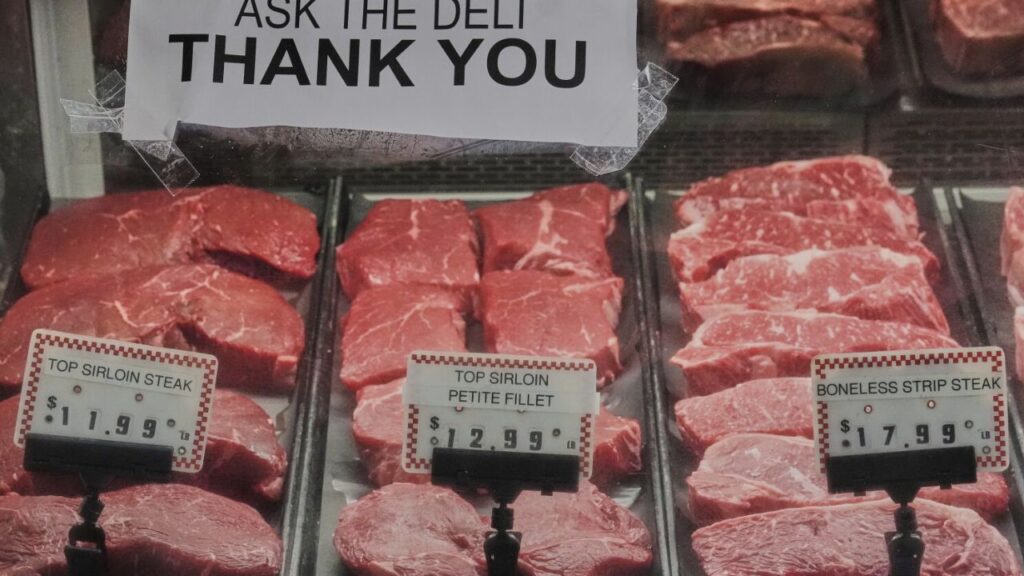
Beef prices have been a particular focus for the administration, as costs climbed to record highs earlier this year. Analysts note that previous tariffs on Brazil, one of the world’s largest beef exporters, contributed to higher global prices. By removing these tariffs, the administration aims to increase imports and lower costs for domestic shoppers.
While President Trump and his advisers have historically maintained that tariffs do not necessarily increase consumer prices, the decision to scale them back highlights how political and economic pressures are influencing trade policy as the nation heads toward 2026.
Reactions From Lawmakers and Officials
The White House emphasized that these trade agreements not only reduce costs for American households but also open foreign markets for U.S. exports. Officials say the deals eliminate tariffs and non-tariff barriers and strengthen economic security relationships with these key Latin American partners.

Republican Senator Rand Paul of Kentucky commented on the policy shift via X, stating, “This means that tariffs were taxes all along,” reflecting growing bipartisan scrutiny over the economic impact of past trade policies.
Moving Forward: What This Means for U.S. Consumers
Officials describe the executive order as part of a broader move away from punitive tariff policies toward a strategy focused on lowering costs for American households. The removal of tariffs on coffee, beef, and tropical fruits is expected to have an immediate effect on eligible imports, providing relief to families facing elevated grocery bills.
This shift signals a more consumer-oriented approach to trade policy, emphasizing the importance of affordable staples and maintaining strong relationships with neighboring countries in Latin America.
What do you think about the Trump administration’s move to remove tariffs on everyday commodities? Share your thoughts and join the discussion below on how this policy might affect your grocery bills and trade relations.