
 by
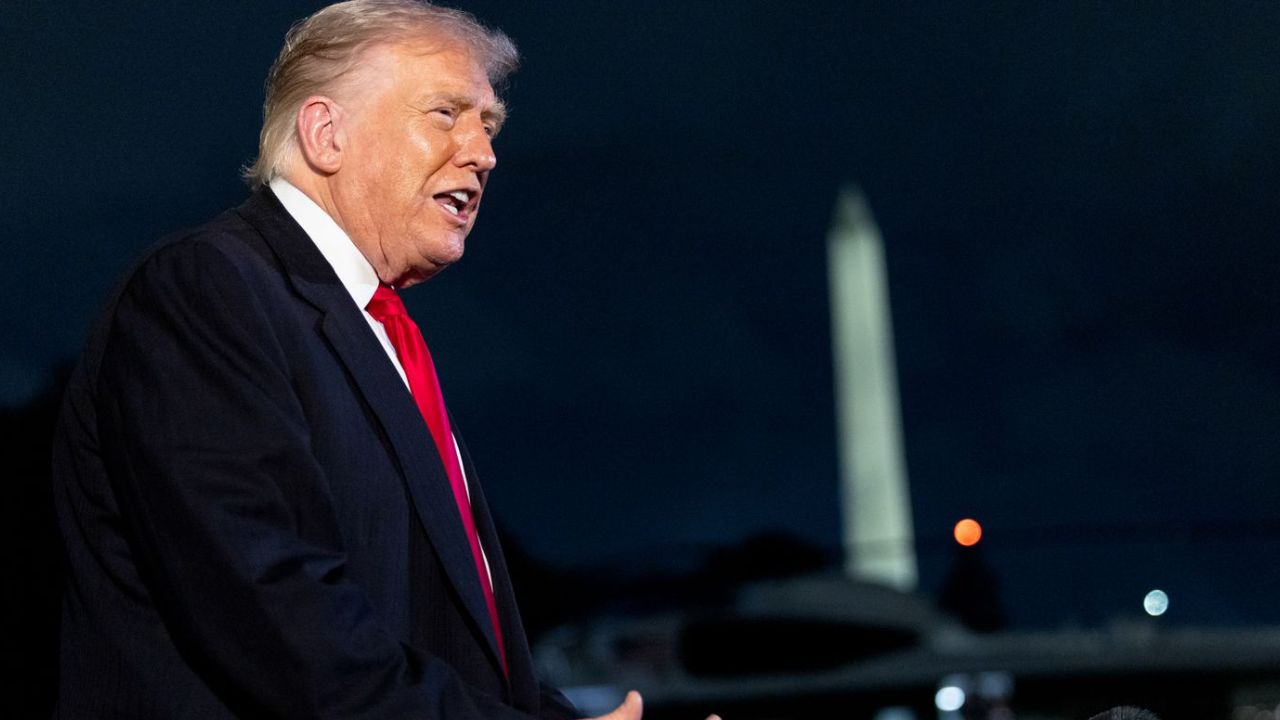
by Washington, D.C. — Former President Donald Trump has floated a controversial proposal to issue a $2,000 “tariff rebate” to low- and medium-income Americans, positioning the idea as a way to share the nation’s tariff earnings while offsetting higher consumer costs.
The plan, shared Sunday on Truth Social, immediately sparked economic debate and political skepticism over its feasibility and the potential need for Congressional approval.
Trump’s $2,000 Rebate Proposal
“People that are against Tariffs are FOOLS!” Trump wrote in his Truth Social post. “A dividend of at least $2,000 a person (not including high income people!) will be paid to everyone.”

According to Trump, the rebate would be funded by the revenue collected from tariffs imposed on imported goods. The former president argued that the U.S. is bringing in “massive” income from foreign countries and that the extra funds could both support American families and reduce national debt.
In a follow-up post on Monday, November 10, 2025, Trump said, “All money left over from the $2,000 payments made to low and middle income USA Citizens… will be used to substantially pay down national debt.”
Why It Matters
Trump’s proposal comes amid ongoing criticism of his tariff policies, which some economists say have increased prices for everyday goods like groceries, electronics, and building materials.
Supporters argue that tariffs protect American manufacturing and encourage fairer trade practices, while detractors warn they can spark trade wars and act as hidden taxes on consumers.

A rebate program, if implemented, could theoretically help offset inflationary effects caused by tariffs. However, experts caution that any such payments would likely require Congressional approval, similar to the COVID-19 stimulus checks distributed during the pandemic.
How It Could Work
In August 2025, Trump suggested that the tariff revenue could be redistributed as a form of dividend to the people, hinting that the mechanism would resemble prior stimulus programs.
According to the U.S. Treasury Department, the federal government has collected more than $220 billion in tariff revenue under Trump’s policies. However, analysts estimate that issuing $2,000 payments nationwide would cost approximately $326 billion, based on CNN’s economic projections.
Kevin Thompson, CEO of 9i Capital Group and host of the 9innings podcast, explained to Newsweek that any rebate would likely be structured within the existing tax system, rather than as direct cash payments.
“If there were a rebate, it would probably flow through tax credits or deductions, not a brand-new check,” Thompson said. “It’s more of a technical adjustment than a true stimulus.”

Mixed Reactions Among Trump Allies
Even some of Trump’s close economic advisors have expressed uncertainty about the rebate plan. Treasury Secretary Scott Bessent, in an interview with ABC’s This Week, said that there are no formal proposals in place and that Trump’s $2,000 idea “could come in lots of forms.”
This ambiguity leaves open questions about eligibility, funding, and timing, particularly as inflation remains a major concern for American households.
Experts Weigh In
Financial analyst Alex Beene, an instructor at the University of Tennessee at Martin, told Newsweek that while the idea may sound appealing, it faces significant political and legal obstacles.
“While many Americans’ ears perked on hearing about $2,000 tariff checks, the path toward these payments becoming reality is a tricky and difficult one,” Beene said. “Many in Congress see tariff revenue as a way to pay down the national debt, not to issue new rebates.”
He also noted that past stimulus checks were typically approved only during national emergencies or recessions, making such legislation unlikely under current economic conditions.
What Happens Next
To become reality, the rebate plan would require Congressional approval, which analysts say is unlikely given the nation’s budget deficit and concerns about inflation.
“Passing anything that resembles increased spending is difficult when inflation is still elevated,” Thompson added. “There’s a political contradiction here—leaders want to show fiscal restraint, but voters are looking for relief.”
For now, Trump’s proposal remains an early-stage concept, with no formal legislation drafted or submitted to Congress.
Share Your Thoughts
Would a $2,000 tariff rebate help offset rising costs for American families, or is it just a political promise unlikely to materialize?
Share your thoughts in the comments below — your voice matters in shaping how policymakers address inflation, trade policy, and economic relief for working Americans.