 by
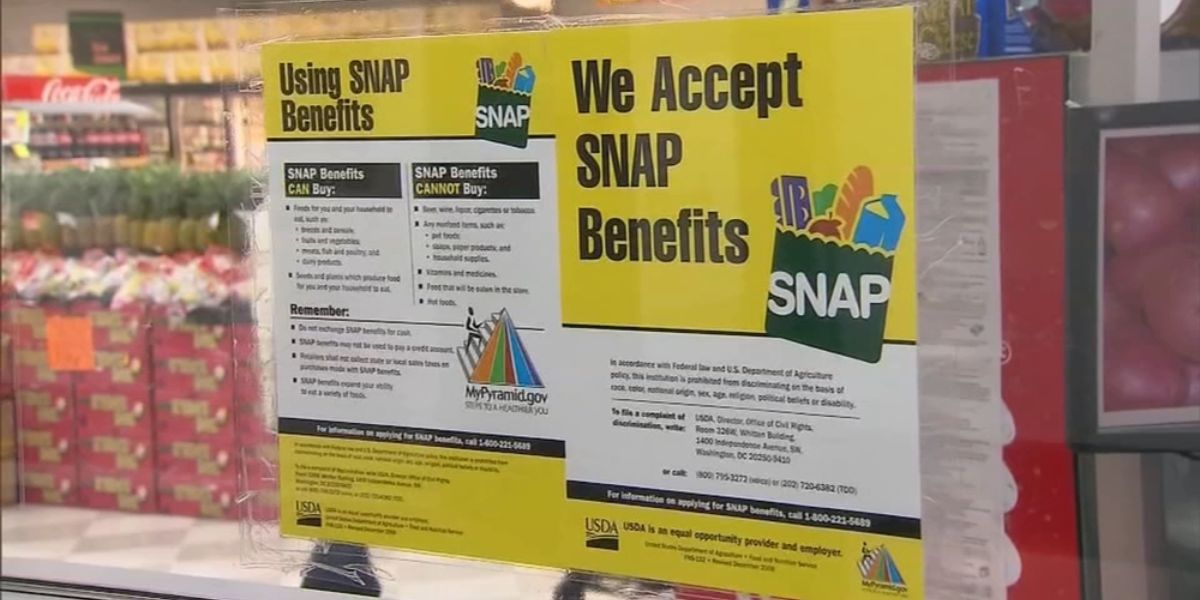
by Washington, D.C. — The Trump administration has issued a warning to several Democratic-led states, threatening to withhold federal Supplemental Nutrition Assistance Program (SNAP) funding if they do not comply with new data-sharing requirements. Officials say the move is part of an effort to curb what they describe as widespread fraud in the program, formerly known as food stamps.
A USDA spokesperson told Newsweek that the agency established a SNAP integrity team to analyze state-provided data and other available information to prevent misuse of federal funds. While 28 states and Guam have complied, the spokesperson said states such as California, New York, and Minnesota, along with 16 other Democratic-led states, have resisted sharing data.
Controversial Data Requirements
Under the new directives, states must provide detailed information about SNAP recipients, including immigration status, to help the USDA identify potential instances of fraud. The Trump administration claims that this step is essential to protect American taxpayers and ensure the program serves those who genuinely qualify.

Agriculture Secretary Brooke Rollins emphasized at a Cabinet meeting that noncompliant states will see federal administrative funding halted. She later tweeted, “NO DATA, NO MONEY — it’s that simple. If a state won’t share data on criminal use of SNAP benefits, it won’t get a dollar of federal SNAP administrative funding.”
States Push Back on Federal Mandates
Democratic-led states argue that these requirements threaten vulnerable families, raising serious privacy and legal concerns. Officials in these states maintain that the rules could leave millions of low- and no-income Americans uncertain about their nutrition benefits, potentially increasing food insecurity across their communities.
Legal challenges have already begun in several states, as attorneys general and advocacy groups promise to continue fighting the new USDA policies. These states argue that the federal mandates overstep state authority and risk undermining the program’s ability to support struggling families.
Impact on SNAP Recipients
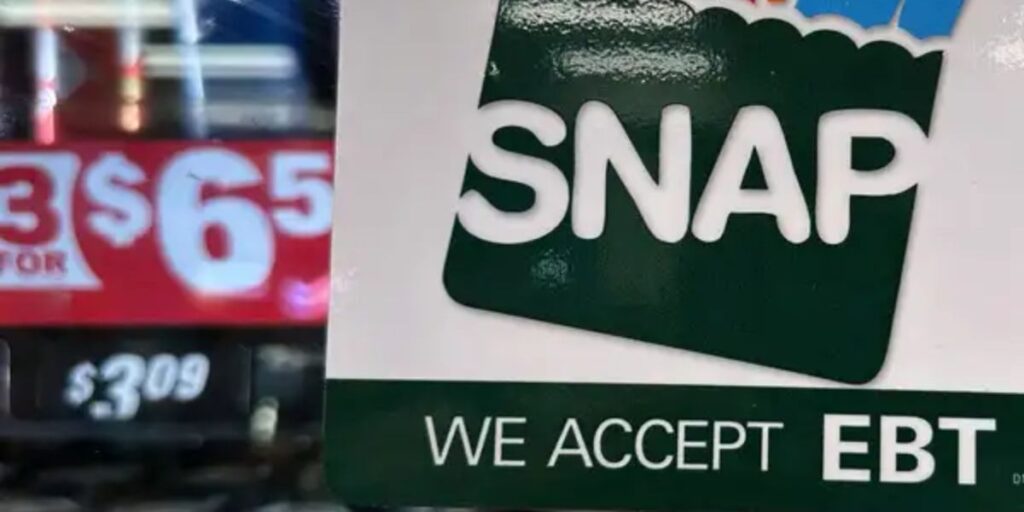
SNAP serves nearly 42 million Americans monthly, providing essential support to purchase groceries. The USDA’s enforcement actions and new directives are expected to remove millions of recipients from the program, raising concerns among social service organizations and community advocates.

The Trump administration asserts that many of these measures target individuals engaging in illegal or criminal activity, including undocumented residents, and that compliance by states is necessary to prevent fraud and misuse of federal funds.
States That Have Complied
According to the USDA, the following 28 states have agreed to provide the requested data:
- Alabama, Alaska, Arkansas, Florida, Georgia, Idaho, Indiana, Iowa, Louisiana, Mississippi, Missouri, Montana, Nebraska, Nevada, New Hampshire, North Carolina, North Dakota, Ohio, Oklahoma, South Carolina, South Dakota, Tennessee, Texas, Utah, Vermont, Virginia, West Virginia, and Wyoming.
These states have partnered with the federal government to monitor SNAP usage, enforce accountability, and address potential fraud.
What’s Next
Democratic states now face a critical decision: comply with federal directives or risk losing SNAP administrative funding. Meanwhile, legal battles over the scope and legality of these requirements are expected to continue, with implications for millions of families nationwide.
Should states comply with the USDA’s SNAP data requirements, or do these mandates threaten privacy and food security? Share your thoughts in the comments — how do you think this will affect Americans relying on SNAP benefits?