
 by
by Pennsylvania, USA: While encounters are still uncommon, certain regions are known hotspots where these snakes thrive due to ideal habitat conditions like rocky ridges, forests, and protected areas.
Here are 5 of the most rattlesnake-active areas in Pennsylvania and what you should know about each.
Appalachian Ridges
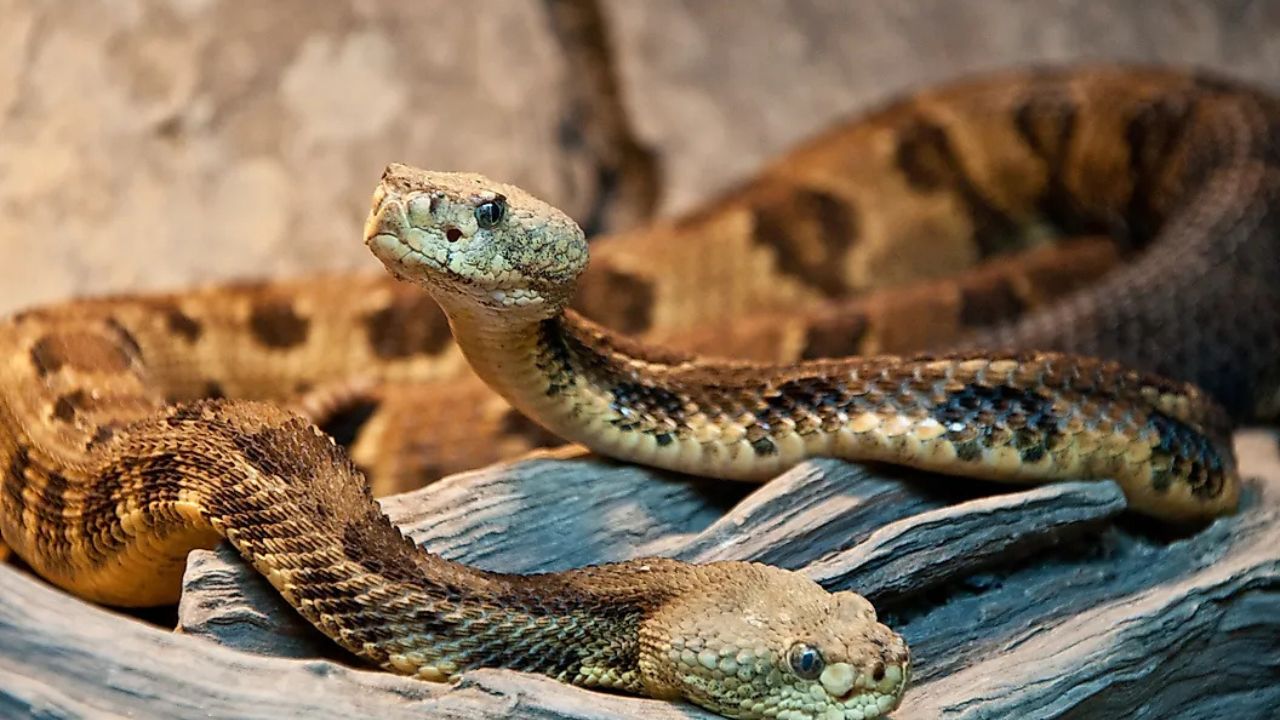
The Appalachian ridge system is one of the most important habitats for rattlesnakes in Pennsylvania.

- Common species: Timber rattlesnake
- Preferred habitat: Rocky, sun-facing slopes and forest edges
- Active season: Mid-spring through October
Areas like Appalachian Trail corridors provide ideal conditions, with rock outcrops for basking and nearby forests for hunting.
These snakes often travel between hibernation dens (hibernacula) and feeding grounds, making this one of the most consistent regions for sightings.
Lancaster and Berks Counties
The rural landscapes of Lancaster and Berks counties are another known hotspot.
- Found in forested hills and rocky ridges
- Often seen near old stone walls and ledges
- Stable populations in less-developed areas
Rattlesnakes here play an important ecological role by controlling rodent populations, especially in farmland regions.

Hawk Mountain Sanctuary
Hawk Mountain Sanctuary is a well-known conservation area—and also a rattlesnake habitat.
- Ideal terrain: Talus slopes and rocky ridges
- Snakes often bask along trails and overlooks
- Sightings increase in late summer
Because the area is protected, rattlesnake populations have remained relatively stable despite heavy tourism.
Delaware Water Gap National Recreation Area
Delaware Water Gap National Recreation Area is one of the most visited outdoor destinations in the state—and also home to many rattlesnakes.
- Found on sunlit ledges and forest edges
- Thrive in protected, undisturbed مناطق
- Increased encounters during seasonal movement
Flooding and environmental changes can occasionally push snakes closer to trails and recreation areas, raising encounter chances.
Ricketts Glen State Park
Ricketts Glen State Park is another प्रमुख rattlesnake habitat.

- Rocky cliffs and forested gorges provide ideal shelter
- Snakes often seen near trails and streams
- Active during spring through late summer
The park’s relatively untouched ecosystem makes it one of the best places to observe rattlesnakes in a natural environment.
Why Rattlesnakes Are Making a Comeback
Rattlesnake populations are improving due to:
- Conservation of den sites
- Legal protections
- Reduced hunting and habitat destruction
Despite their reputation, rattlesnakes are generally not aggressive and prefer to avoid humans.
Safety Tips for Visitors
If you’re exploring these areas:
- Stay on marked trails
- Watch where you step, especially on rocks
- Avoid tall grass and dense brush
- Never approach or disturb a snake
Most bites occur when people try to handle or get too close.
Read Also: Thinking About Moving to Colorado? These 5 Places Are Everyone’s Top Picks for 2026
A Reminder About Wildlife in Pennsylvania
Rattlesnakes are an important part of Pennsylvania’s ecosystem, helping maintain balance by controlling small animal populations.
While these areas are known hotspots, encounters remain rare—and with awareness and caution, visitors can safely enjoy the state’s natural beauty.
Have you ever spotted a rattlesnake while hiking? Would it excite you—or make you turn back immediately? Share your thoughts below.