 by
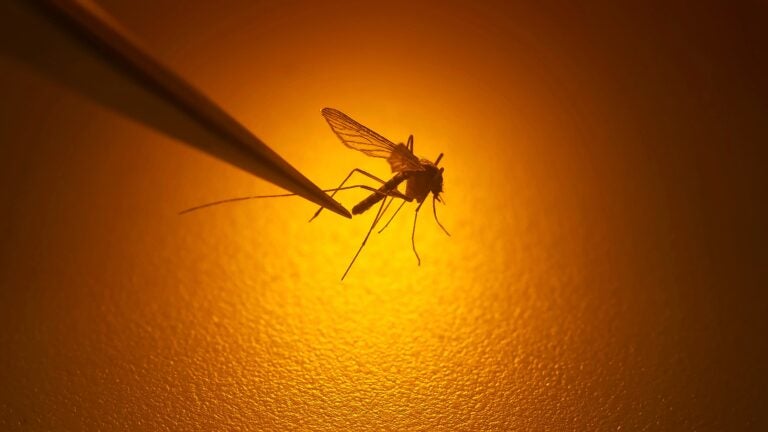
by State public health officials issued a warning on Tuesday that ten communities in Massachusetts are now at high risk for West Nile virus.
Based on mosquito samples collected from Acton, Bedford, Billerica, Boston, Brookline, Carlisle, Chelmsford, Dracut, Lowell, and Newton, the Department of Public Health stated that the West Nile virus level in those areas is now regarded as high.
Since the June 17 confirmation of the year’s first West Nile virus-positive mosquitoes, 168 samples have been found in the counties of Barnstable, Berkshire, Bristol, Dukes, Essex, Franklin, Hampden, Middlesex, Norfolk, Plymouth, Suffolk, and Worcester, according to DPH.

According to a statement from State Epidemiologist Catherine Brown, the number of [West Nile virus] discoveries in mosquitoes has increased dramatically in recent weeks. In order to take precautions, people should be aware that we are currently in the peak period for the spread of diseases carried by mosquitoes.
This year, no human instances of West Nile have been reported; nevertheless, a goat in Lunenburg was found to have the disease. Last year, the sickness struck 19 people in the state.
Some people may get headaches, fever, nausea, vomiting, diarrhea, rash, and body aches, although the majority do not. According to Boston health officials, the majority recover without medical help. However, those over 50 or with weakened immune systems are particularly vulnerable to serious West Nile virus-related illnesses.
Boston’s Commissioner of Public Health, Dr. Bisola Ojikutu, stated in a statement that the city’s elevated risk of West Nile virus serves as a reminder to protect oneself and one’s family from mosquito bites. Using insect repellant and staying indoors between nightfall and dawn are two safeguards that residents should take.

People should take precautions against more than just the West Nile virus, according to public health officials. This year, mosquitoes in the state have also been found to carry Eastern Equine Encephalitis (EEE).
According to state officials, the following communities are deemed to be at moderate risk for EEE: Belchertown, Bridgewater, Carver, East Bridgewater, Easton, Granby, Halifax, Hanson, Lakeville, Middleborough, Pelham, Plympton, Raynham, Taunton, Ware, and West Bridgewater.
Thus far this year, no verified human cases of EEE have been reported. In 2024, the virus was found in three animals and four humans, one of whom died.
Massachusetts residents are at danger from both EEE and the West Nile virus, according to a statement from Public Health Commissioner Robbie Goldstein. The persistently warm and moderately humid weather makes mosquitoes more active. I urge everyone to take precautions to keep themselves safe: wear long sleeves and pants, apply insect repellent while you’re outside, and be mindful of the hours when mosquitoes are most active.
Officials are asking homeowners to take precautions to protect their homes and animals, including installing or fixing screens, emptying standing water, and applying insect repellent and avoiding the hours of twilight to dawn when mosquitoes are most likely to bite.

To find out the risk for EEE and West Nile virus in their neighborhood, residents can consult the state map that monitors the risk for mosquito-borne illnesses in Massachusetts.
At Boston.com, Dialynn Dwyer works as an editor and reporter, covering local and breaking news in Boston and New England.
Sign up for the Today newsletter
Receive all the information you require to begin your day, given directly to your inbox each morning.