 by
by Washington DC – A powerful winter storm swept across the United States over the Thanksgiving weekend, leaving thousands of travelers stranded and triggering extensive disruptions at airports, on roads, and in rail systems. The storm brought heavy snow, ice, and frigid temperatures, affecting major travel hubs and holiday traffic nationwide.
Widespread Flight Delays and Cancellations
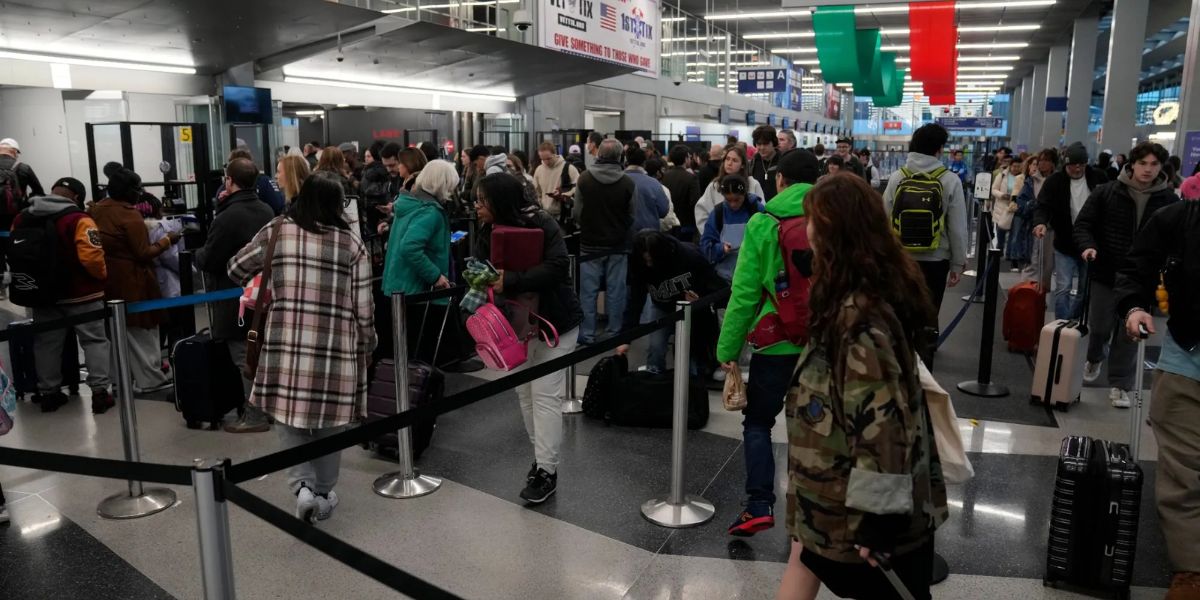
According to Flightaware.com, more than 900 flights were canceled and nearly 15,000 flights delayed nationwide on Sunday. Airports in Chicago, Texas, the Midwest, and Southeast were among the hardest hit, forcing airlines to scramble as holiday travelers faced uncertain plans.
Chicago O’Hare International Airport, one of the nation’s busiest, experienced over 1,300 cancellations and multiple ground delays, with some flights held in place due to snow-covered runways. The National Weather Service (NWS) reported that Saturday marked the snowiest November day ever recorded in Chicago, with some areas receiving up to 8 inches of snow.

Other major airports, including Detroit Wayne County Airport and Minneapolis-St. Paul International Airport, reported over 80 cancellations each within a 24-hour period. Meanwhile, Des Moines Airport in Iowa temporarily closed all runway traffic after a Delta Air Lines plane slid off the runway, though fortunately, no injuries were reported. The FAA kept the airport closed until 3:30 p.m. ET on Sunday while crews ensured safe operations.
Impact on Ground Travel
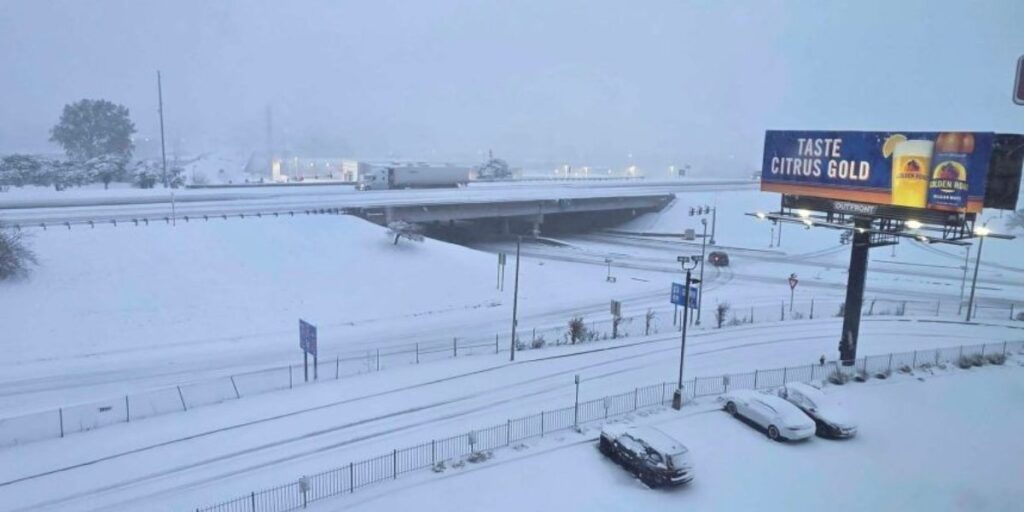
The storm’s effects were not limited to air travel. Road conditions deteriorated rapidly across several states. Indiana saw over 40 vehicles involved in a crash outside Terre Haute, underscoring the hazards posed by snow and ice on highways during the holiday weekend.
Officials warned travelers to exercise caution on roads and stay updated on local conditions. With continued cold temperatures and precipitation, further hazardous conditions were expected in the coming days across the Mid-Atlantic and Northeast.
Challenges for Airlines and Transportation Infrastructure
The winter storm highlighted the vulnerability of transportation systems during peak travel periods. Airlines, airport authorities, and federal agencies faced the dual challenge of maintaining safety while managing unprecedented holiday passenger volumes.

Passengers were urged to monitor real-time flight updates, anticipate potential schedule changes, and plan for longer wait times as airports repositioned equipment and resumed operations. The ripple effects of the storm also impacted rail and bus systems, creating broader systemic disruptions for travelers across the country.
Looking Ahead: More Wintry Weather Expected
Meteorologists with the National Weather Service caution that additional snow, ice, and precipitation are expected as a cold front moves south, potentially affecting the Mid-Atlantic and Northeast. Travelers are advised to continue checking for updated flight schedules, road conditions, and weather alerts to avoid being stranded.
Authorities stressed that while conditions are improving in some areas, lingering winter hazards could persist, particularly for those traveling by car during the early workweek.
Have you been impacted by the recent Thanksgiving winter storm?
Tell us about your travel delays, cancellations, or challenges in the comments below. How did you cope with the disruption?