 by
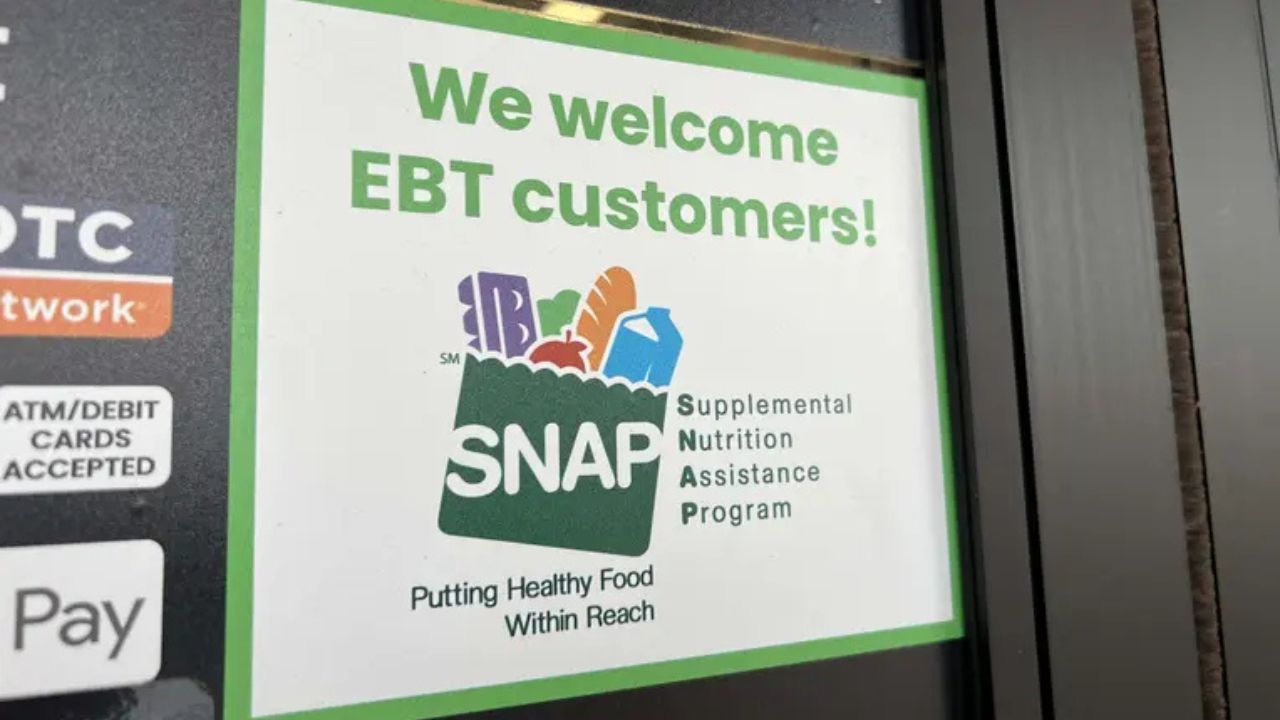
by Several U.S. states are moving forward with new restrictions on how Supplemental Nutrition Assistance Program (SNAP) benefits can be used, with Kansas, Ohio, Nevada, and Wyoming becoming the latest to implement limits on certain food purchases. The proposed changes focus on banning SNAP recipients from using their benefits to buy specific “junk food” items, including soda, energy drinks, and candy.
The move is part of a broader push tied to the federal government’s Make America Healthy Again (MAHA) initiative, which aims to improve public health and address diet-related diseases across the country.
Four New States Joining SNAP Purchase Restrictions
According to federal officials, Kansas, Ohio, Nevada, and Wyoming are preparing to implement restrictions that would prevent SNAP funds from being used on certain sugary or highly processed food items. While each state may adopt slightly different rules, the overall goal is to encourage healthier food purchases among recipients.

These states will join a growing list of others that have already sought or implemented waivers limiting SNAP purchases.
States Already Moving Forward With SNAP Food Restrictions
The four new states join 18 other states that have taken steps to restrict SNAP purchases of certain products. These include:
- Arkansas
- Colorado
- Florida
- Hawaii
- Idaho
- Indiana
- Iowa
- Louisiana
- Missouri
- Nebraska
- North Dakota
- Oklahoma
- South Carolina
- Tennessee
- Texas
- Utah
- Virginia
- West Virginia
Each state has applied for or received waivers allowing them to limit the purchase of specific items under the program.
What Foods Could Be Restricted?
Although the exact rules vary depending on the state, most of the restrictions focus on eliminating SNAP purchases for certain high-sugar products. These typically include:

- Soda and sugary soft drinks
- Energy drinks
- Candy and certain sweets
Supporters of the changes argue that the restrictions could help steer households toward more nutritious options, while critics say the rules may limit consumer choice for people relying on food assistance.
Federal Officials Cite Health Concerns
Federal officials say the changes are part of a broader effort to address rising rates of chronic health conditions linked to diet.
“Under the MAHA initiative, we are taking bold, historic steps to reverse the chronic diseases epidemic that has taken root in this country for far too long,” said Secretary of Agriculture Brooke Rollins.
Health and Human Services Secretary Robert F. Kennedy Jr. also praised state leaders pushing for reforms.
“Thank you to the 18 governors who are leading the charge on SNAP reform to restore the health of Americans—especially our kids. Their courageous leadership is exactly what we need to Make America Healthy Again,” he said.

How the SNAP Program Works
The U.S. Department of Agriculture (USDA), through its Food and Nutrition Service (FNS), oversees the SNAP program. SNAP provides monthly benefits that help low-income households purchase food from approved retailers.
Read Also: Maryland Spring Fling Show Returns to Westminster in 2026 With New Attractions and Bigger Exhibits
According to federal data, the program cost just over $100 billion in fiscal year 2024 and served more than 42 million Americans.
On average, SNAP recipients received about $190.59 per person per month to help cover grocery costs.
When the Restrictions Could Take Effect
The timeline for implementing the junk food bans will vary depending on each state’s approval process and final policy decisions. Some states may introduce the restrictions within months, while others could take longer to roll them out.
Officials say more states could seek similar waivers in the future as the debate continues over how SNAP benefits should be used.
What do you think about states banning junk food purchases with SNAP benefits? Share your thoughts respectfully in the comments below.