 by
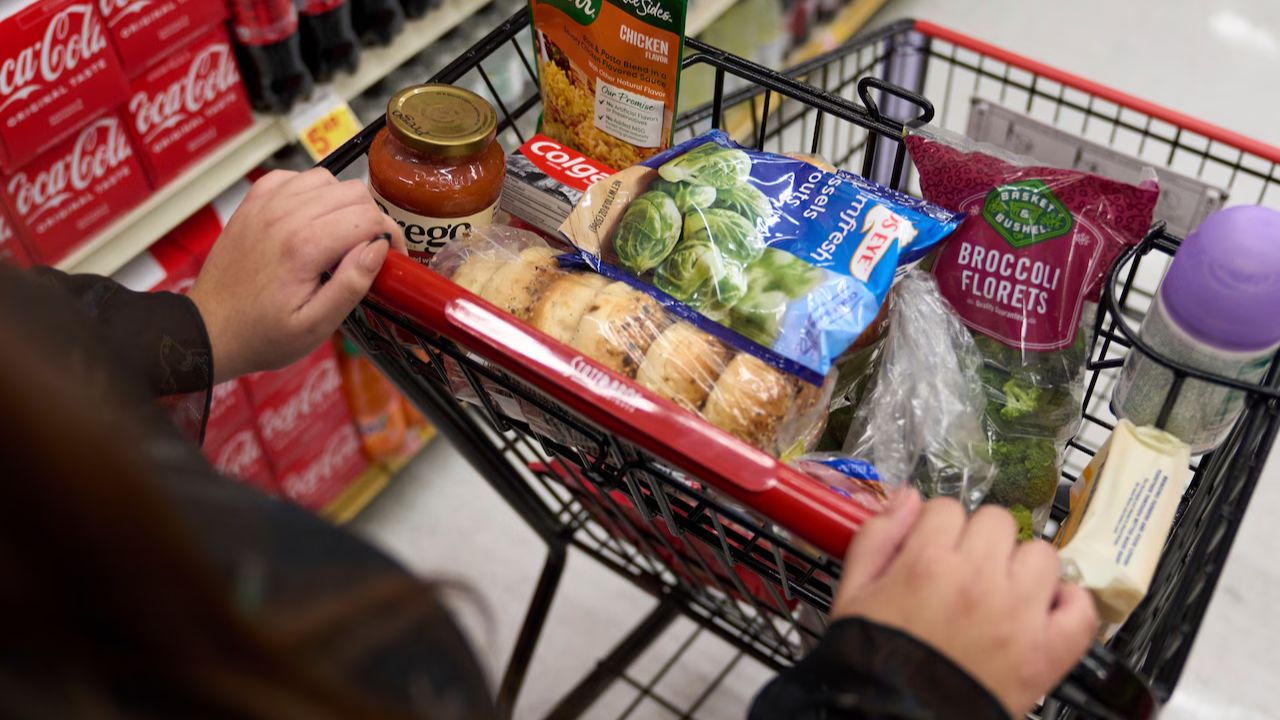
by The U.S. Department of Agriculture (USDA) has approved waivers allowing six additional states to restrict the purchase of junk food using Supplemental Nutrition Assistance Program (SNAP) benefits, commonly known as food stamps.
West Virginia, Florida, Colorado, Louisiana, Oklahoma, and Texas will now join six other states that have previously enacted similar restrictions. The move will impact approximately 8.5 million SNAP recipients across the newly added states.
This brings the total number of states limiting SNAP-funded junk food purchases to 12, following earlier actions this year by Arkansas, Idaho, Indiana, Iowa, Nebraska, and Utah.

Why It Matters
SNAP benefits are designed to help low-income individuals and families afford essential groceries. More than 40 million Americans rely on the program for monthly food assistance.
Supporters of the ban argue that restricting the purchase of unhealthy food will help combat rising obesity and chronic health issues linked to poor diet, particularly in low-income communities. Critics argue the move unfairly targets the poor without addressing deeper issues such as food deserts and the high cost of fresh, nutritious food.
What’s Changing
Each approved waiver outlines specific food restrictions, which will go into effect starting in 2026. Examples of banned items include:
- Texas: Soda, energy drinks, candy, and prepared desserts
- Louisiana: Soft drinks, energy drinks, and candy
- Colorado and West Virginia: Soft drinks only
The definition of “junk food” typically includes items high in sugar, fat, and calories but low in nutritional value.

SNAP payments are distributed via Electronic Benefit Transfer (EBT) cards, which recipients use to buy approved items at grocery stores nationwide. These new restrictions will limit what can be purchased using those cards once implemented.
Political Divide
Most of the states implementing the ban are Republican-led, with Colorado being the only Democratic-led state to adopt the measure so far. The debate over food restrictions within SNAP remains a hot-button issue, highlighting broader divides over nutrition policy and poverty.
What Happens Next
The changes will not take effect immediately. All six states will roll out their bans in 2026, with specific start dates varying by state. Until then, current SNAP benefits and purchase rules remain unchanged for recipients.
The USDA is expected to monitor the impact of the new restrictions, and more states may apply for waivers in the coming months.