
 by
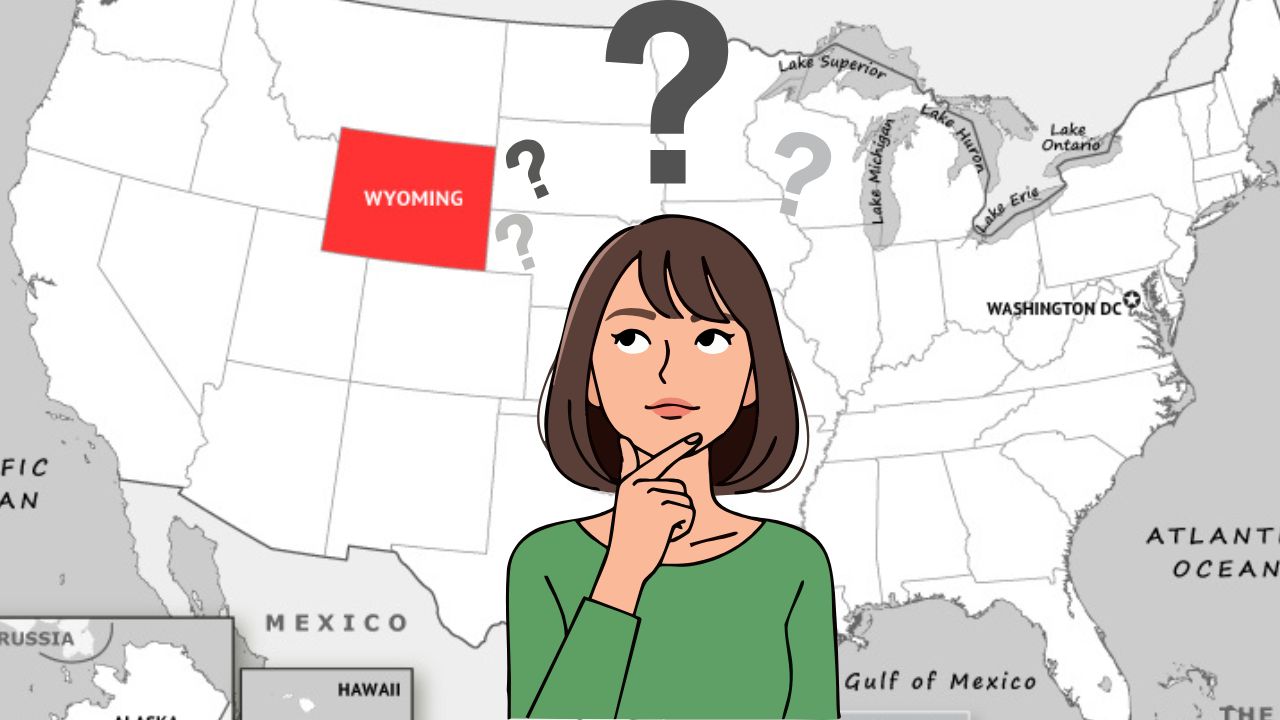
by Wyoming — As concerns around global security and disaster readiness continue to surface, many residents in Wyoming are taking a closer look at how prepared they are for extreme emergencies, including the unlikely possibility of a nuclear event. Known for its vast open landscapes and low population density, Wyoming is often considered one of the more favorable states when it comes to identifying safer zones.
While no place can be entirely risk-free, certain regions within the state may offer relative advantages based on geography, infrastructure, and distance from high-value targets.
What Defines a Safer Zone in Wyoming
Understanding what makes a location safer is essential before identifying specific areas. In general, places far removed from major cities, military installations, and critical infrastructure tend to have a lower risk profile.

Areas with minimal strategic importance and sparse populations are less likely to be primary targets during a nuclear event.
In addition, access to clean water, food supplies, and reliable shelter can significantly influence survival. Distance, self-sufficiency, and emergency planning are key elements of safety.
Northwestern Wyoming: Remote and Naturally Shielded
Regions in northwestern Wyoming, including areas near Cody and Jackson, stand out due to their remoteness and natural terrain. Surrounded by mountains and national parks, this region has limited industrial or military significance.
Natural geographic barriers like mountains can offer some level of protection from fallout, depending on wind patterns and distance.

The area’s lower population density also reduces the likelihood of being directly impacted. However, harsh winters and limited access routes can pose challenges for long-term survival and emergency response.
Central Wyoming: Balanced Isolation
Central parts of Wyoming, including towns like Riverton and Lander, offer a balance between isolation and accessibility. These regions are far from major urban centers and have moderate infrastructure to support residents.
Locations that are isolated yet still connected to essential services can provide a strategic advantage during prolonged emergencies.
The relatively flat terrain makes transportation easier compared to mountainous regions, and availability of local resources can support longer-term sustainability.
Northeastern Wyoming: Low Density, Strategic Distance
Areas such as Gillette and surrounding communities in northeastern Wyoming are also considered relatively safer due to their low population density and distance from major targets.

Regions without significant military bases or high-value infrastructure are generally less likely to be directly affected.
However, it’s worth noting that some industrial activities, including energy production, exist in this region. Choosing locations away from such facilities can further reduce risk exposure.
Areas That May Carry Higher Risk
Even in a state like Wyoming, certain locations may carry relatively higher risks. Areas near military installations, transportation hubs, or energy infrastructure could be considered more vulnerable.
Proximity to strategic or industrial sites can increase the likelihood of impact during large-scale emergencies.
While Wyoming has fewer high-risk zones compared to more urbanized states, awareness of nearby facilities remains important when assessing safety.
Preparedness Matters More Than Location
Regardless of where you live in Wyoming, preparedness remains the most critical factor. Building an emergency kit with essentials such as water, food, medications, and protective supplies is strongly recommended.
Being ready before a crisis occurs can make a significant difference in survival and recovery.
Residents should also identify safe shelter areas within their homes, such as basements or interior rooms. Staying informed through official alerts, having a communication plan, and understanding local emergency procedures are all vital steps.
Planning for extended periods without external assistance is especially important in Wyoming’s remote regions, where help may take longer to arrive.
Final Thoughts
Wyoming’s natural advantages — including its low population density and geographic isolation — make it one of the more favorable states when considering relative safety during a nuclear emergency. Regions in the northwest, central, and northeast parts of the state offer varying benefits depending on individual needs and preparedness levels.
However, no location guarantees complete safety. The key lies in understanding your environment, minimizing risks where possible, and staying prepared for unexpected situations.
Do you believe Wyoming is one of the safest states for emergency preparedness, or are there other factors people should consider? Share your thoughts in the comments and join the conversation.