 by
by Oregon — As awareness around emergency preparedness continues to grow, many residents across Oregon are beginning to evaluate which parts of the state may offer relative safety during a nuclear emergency. With its mix of coastal cities, inland valleys, and remote high-desert regions, Oregon presents a range of risk levels depending on geography and infrastructure.
While no location can guarantee complete protection, certain areas may provide advantages based on distance from major targets, population density, and access to essential resources.
What Defines Safer Areas in Oregon
Experts generally agree that areas farther from large cities, military installations, ports, and major transportation hubs are less likely to be directly impacted.

Locations with low strategic importance and fewer people tend to carry a lower risk profile in large-scale emergencies.
In addition, access to clean water, reliable shelter, and self-sustaining resources can significantly improve survival chances. Oregon’s diverse terrain also plays a role in determining safety.
Eastern Oregon: Remote and Low Population Density
Eastern Oregon, including areas such as Burns and Ontario, is often considered one of the safer regions in the state. The area is sparsely populated and far removed from major urban centers like Portland.
Remote regions with minimal infrastructure and low population density are less likely to be primary targets.

The high-desert landscape offers isolation, which can be beneficial in avoiding direct impact. However, limited healthcare facilities and fewer emergency services can be a drawback in long-term scenarios.
Central Oregon: Balanced Safety and Livability
Central Oregon, including Bend and Redmond, offers a balance between safety and access to resources. While these areas are growing, they remain less densely populated than major cities.
Areas that combine moderate population levels with access to infrastructure can provide both safety and sustainability.
The region’s inland location reduces exposure to coastal risks, and availability of medical facilities, food supply chains, and transportation adds to its appeal.
Southern Oregon: Distance From Major Targets
Southern parts of the state, including Medford and surrounding communities, may also be considered relatively safer due to their distance from major economic and industrial hubs.

Being farther from high-value targets can reduce the likelihood of direct impact.
This region benefits from agricultural resources and moderate population density, which can support longer-term survival. However, wildfire risks and terrain challenges should also be taken into account.
Areas That May Carry Higher Risk
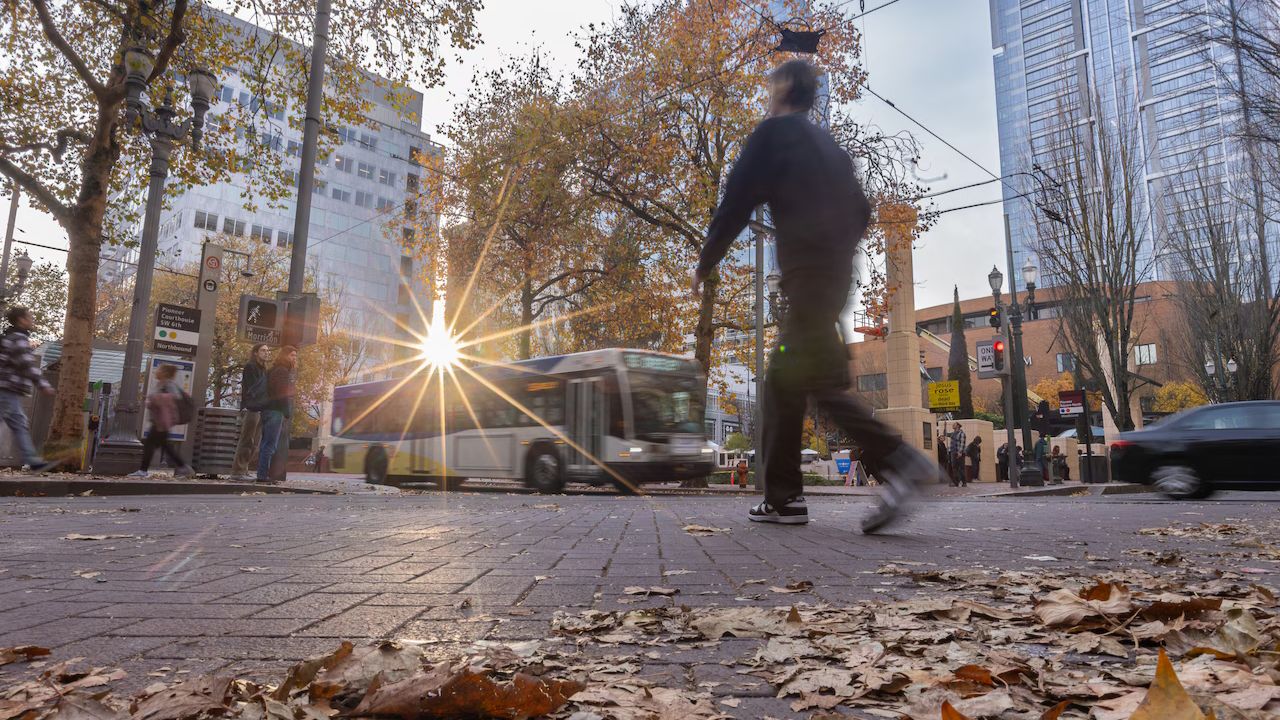
Certain parts of Oregon may face higher risks due to their strategic or economic importance. Portland, as the state’s largest city and a major port, is often considered more vulnerable.
High-density urban centers and locations with ports or industrial infrastructure are more likely to be impacted.
Coastal regions may also carry additional risks due to ports, naval activity, and population concentrations. Proximity to such areas should be carefully evaluated when considering safety.
Natural Terrain as a Protective Factor
Oregon’s varied terrain, including mountains and forests, may offer some natural advantages. Elevated areas and geographic barriers can potentially reduce exposure to fallout depending on wind direction and distance.
Natural features like mountains can provide limited shielding, but they should not be relied upon as the sole form of protection.
Read Also: These 5 Places in Wyoming Have the Most Rattlesnakes—Here’s Where to Stay Alert
Residents should still prioritize proper shelter and preparedness over relying on geography alone.
Preparedness Remains Essential
No matter where you live in Oregon, preparedness is the most critical factor. Emergency kits should include water, non-perishable food, medications, and protective supplies.
Being prepared ahead of time can make a significant difference during any emergency situation.
Residents are encouraged to identify safe shelter areas within their homes, such as basements or interior rooms. Having a communication plan, staying informed through official alerts, and understanding evacuation procedures are key steps.
Planning for extended isolation is especially important in rural regions where assistance may take longer to arrive.
Final Thoughts
Oregon offers several regions that may provide relative safety during a nuclear emergency, particularly in eastern, central, and southern parts of the state. Distance from major urban centers and access to resources are the most important factors when identifying safer zones.
However, no location is entirely risk-free. Preparedness, awareness, and proactive planning remain the most effective ways to navigate uncertainty.
Do you think remote areas truly offer better safety, or does access to resources matter more in emergencies? Share your thoughts in the comments and be part of the discussion.