 by
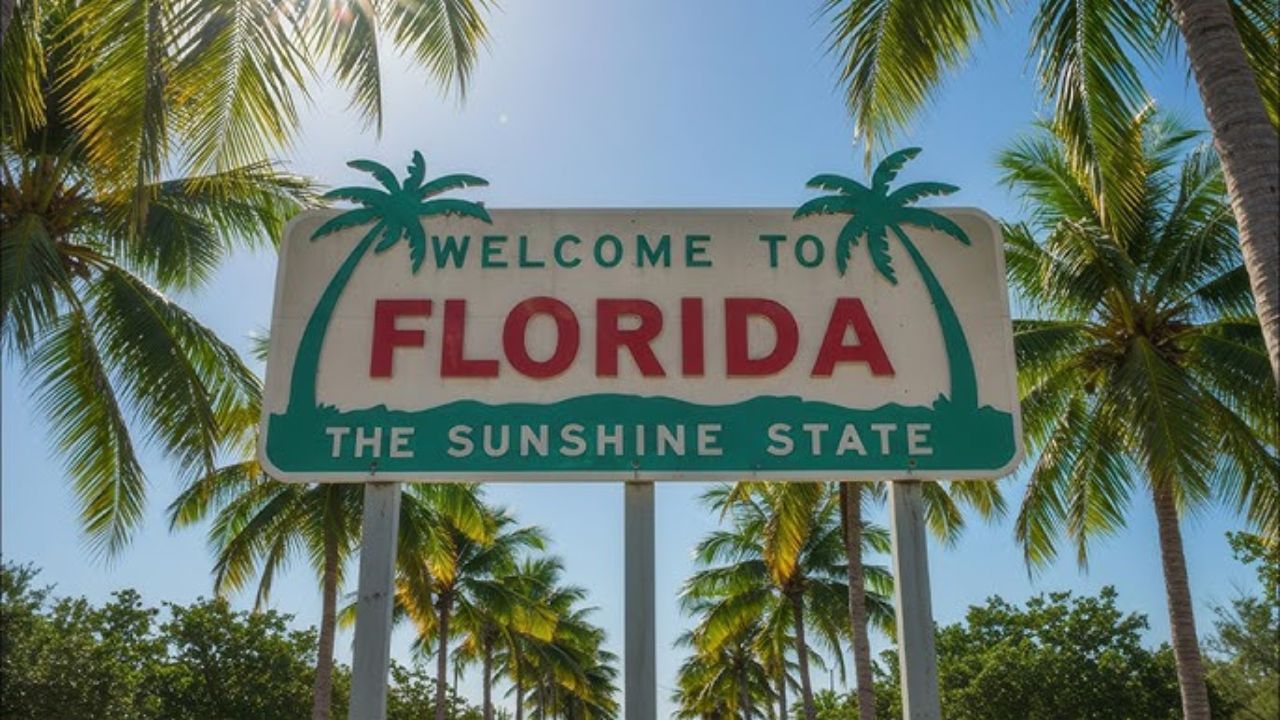
by Florida — As conversations around emergency preparedness continue to grow, many residents across the Sunshine State are beginning to evaluate how safe their location might be in the rare event of a nuclear emergency. With its dense population, major tourist hubs, and extensive coastline, Florida presents a unique mix of both advantages and vulnerabilities.
While no place can be considered completely safe, certain regions within Florida may offer relatively better conditions based on distance from high-value targets, population density, and access to resources.
What Determines Safer Areas in Florida
Several factors influence how safe a location might be during a nuclear emergency. Areas far from major metropolitan centers, military bases, ports, and nuclear power facilities are generally considered lower risk.

Locations with lower strategic importance and fewer people are less likely to be primary targets.
In addition, access to inland shelter, clean water sources, and emergency infrastructure can significantly improve survival chances. Florida’s geography, however, introduces additional challenges such as flat terrain and limited natural shielding.
North-Central Florida: Distance From Major Coastal Targets
Regions in north-central Florida, including areas near Gainesville and Lake City, are often seen as relatively safer compared to coastal cities. These locations are farther from major ports and large metropolitan hubs like Miami and Tampa.
Being inland reduces exposure to immediate blast risks and potential coastal vulnerabilities.

The region also offers a balance of moderate population density and access to healthcare and essential services. Inland positioning and reduced strategic significance make this area a practical option for preparedness planning.
The Florida Panhandle: Lower Density With Key Considerations
Parts of the Florida Panhandle, especially rural areas away from cities like Pensacola, may provide safer conditions due to lower population density and less economic concentration.
Rural communities with fewer high-value targets can reduce the likelihood of direct impact.
However, the presence of military installations in parts of the Panhandle means that choosing locations well away from such facilities is important. Careful evaluation of surroundings is necessary when considering this region.
Central Inland Florida: A Balanced Option
Central Florida areas that are not directly within major urban zones—such as smaller communities between Orlando and Ocala—may offer a reasonable balance between accessibility and reduced risk.

Areas outside major tourist and economic hubs may provide safer alternatives while still maintaining access to resources.
While Orlando itself is a major population center, surrounding rural and semi-rural areas can be more favorable. Avoiding dense urban clusters while staying within reach of infrastructure is key.
Areas That May Carry Higher Risk
Certain parts of Florida are more likely to face higher risks due to their strategic and economic importance. Major cities such as Miami, Tampa, Jacksonville, and Orlando could be more vulnerable.
High-density urban centers and regions with ports, tourism hubs, or military presence are more likely to be impacted.
Additionally, coastal regions are more exposed not only due to strategic value but also because of limited evacuation routes and higher population concentrations.
Unique Challenges in Florida
Unlike states with mountainous terrain, Florida’s flat landscape offers little natural protection from blast waves or radioactive fallout. This makes shelter quality even more critical.
In Florida, strong indoor shelter and proper planning are more important than geographic shielding.
Residents should focus on identifying the safest areas within their homes, such as interior rooms or reinforced structures. Flooding risks and weather conditions can also complicate emergency response efforts.
Preparedness Tips for Florida Residents
Preparation remains the most important factor regardless of location. Emergency kits should include water, non-perishable food, medications, and protective items.
Advanced preparation can significantly increase survival chances during any major emergency.
It is also essential to have a communication plan, stay updated through official alerts, and understand local evacuation routes. Knowing where to shelter quickly and safely can make a critical difference.
Residents should also consider long-term readiness, as recovery in densely populated or coastal areas may take longer.
Final Thoughts
Florida’s diverse geography means that while some areas may carry higher risks, others—particularly inland and less densely populated regions—offer relative advantages. North-central and select inland areas provide better positioning compared to major coastal cities, but preparedness ultimately outweighs location.
No matter where you live, staying informed and ready is the best defense against uncertainty.
Do you think living inland truly makes a difference in emergency situations like this? Share your thoughts and join the discussion in the comments below.