
 by
by New South Wales, Australia – A record-breaking number of flying foxes have died during Australia’s recent heat wave, raising serious concerns for a species already classified as vulnerable by the federal government. Wildlife officials and rescue groups say the extreme temperatures triggered the largest mass mortality event on record in several regions, particularly in New South Wales.
Largest Mass Flying Fox Death Event Recorded in Illawarra
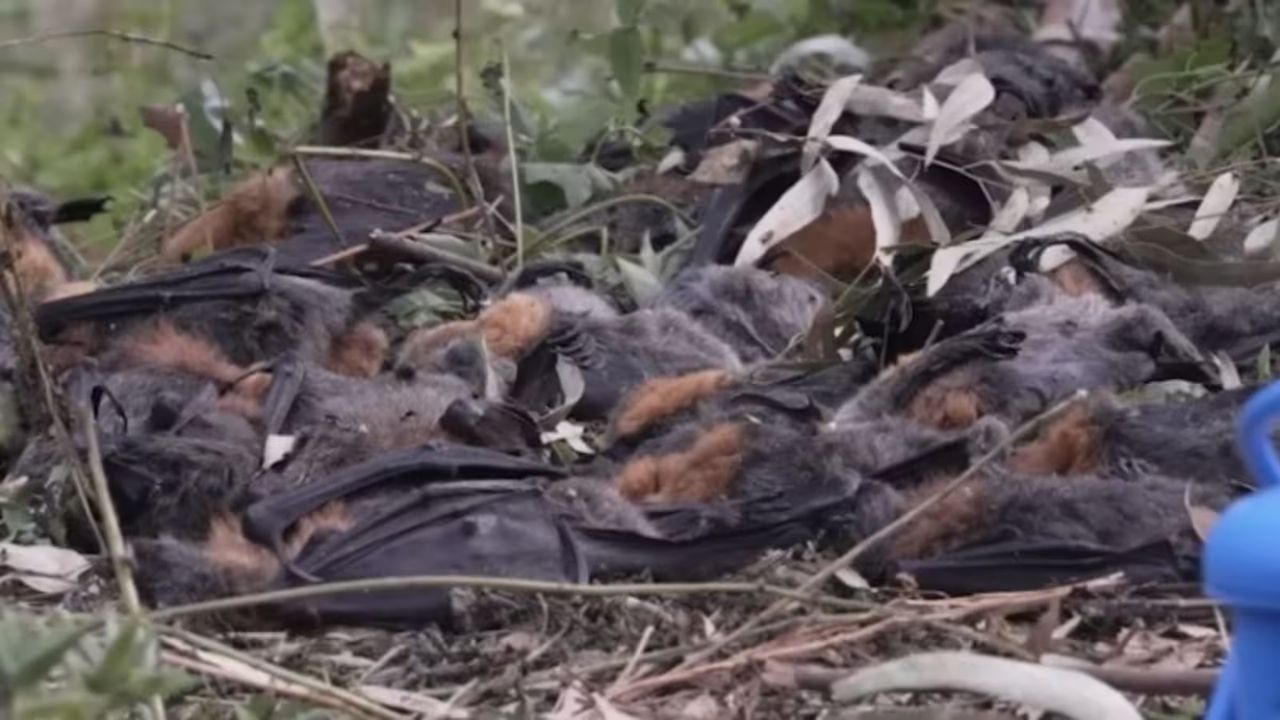
Wildlife Information, Rescue and Education Service (WIRES) confirmed that the scale of deaths in the Illawarra region is unprecedented. Speaking to the Australian Broadcasting Corporation, WIRES representative Storm Stanford said the incident marked the largest mass casualty event ever recorded in the coastal area.
In Brooks Creek alone, 500 flying foxes were found dead on January 10, with another 170 discovered in Figtree. Illawarra, located along the New South Wales coast, is home to several large flying fox camps that were severely affected as temperatures climbed above 100°F.

Deaths Reported Across New South Wales
The fatalities were not limited to Illawarra. Dead flying foxes were reported across multiple parts of New South Wales, including Wolli Creek, Windsor, Parramatta, and Campbelltown.
“At least 40 animals died at Wolli Creek, but much of the camp is inaccessible, so that figure is likely only a sample,” Stanford explained. Rescue workers expect the true number of deaths statewide to be significantly higher.
Heat Wave Intensifies Threat to a Vulnerable Species
Flying foxes have already been classified as a vulnerable species in Australia due to habitat loss, urban development, and human disturbance. Wildlife experts say the recent heat wave has worsened an already fragile situation.
Stanford noted that flying foxes are particularly susceptible to extreme heat because they lack sweat glands, limiting their ability to regulate body temperature. Prolonged exposure to high temperatures can lead to heat stress, organ failure, and death.

Local resident Marcus Burgess, who has monitored the Brooks Creek colony for years, said the losses could be devastating. “We previously counted around 1,500 bats out there. With this event, potentially a third of the population has been killed,” he said.
Rescuers Focus on Orphaned Baby Bats
WIRES volunteers have been searching affected camps for surviving animals, particularly infants. Volunteer Rebecca Daly said 23 baby flying foxes were rescued from the Dapto camp in one evening, with additional rescues continuing the following day.
“The discovery and removal of the dead bats has been distressing,” Daly said, adding that many of the rescued pups were found clinging to deceased mothers.
Long-Term Impacts and Possible Solutions
Stanford warned that the death toll may continue to rise even after temperatures fall. Heat stress can cause delayed health issues such as renal failure, and food shortages caused by damaged vegetation may further weaken survivors.
One potential mitigation strategy is the installation of sprinkler systems near major flying fox camps. “Recent research shows sprinklers are very effective. They significantly reduce deaths and are worthwhile,” Stanford said.

Deaths Reported Nationwide
According to reporting by The Guardian, the crisis extends beyond New South Wales. Around 2,000 flying foxes are believed to have died in South Australia, with additional deaths reported in Victoria.
Tamsyn Hogarth, director of the Fly by Night bat clinic, said volunteers have been overwhelmed by the number of orphaned bats. “These babies will slowly die of heat stress, starvation, or predation if they aren’t found,” she said.
Hogarth added in a January 12 update that many colonies were left without official on-site support during the heat crisis, forcing volunteers to manage rescues and mass fatalities on their own. She continues to raise funds to support the care of orphaned flying foxes, warning that the loss of mothers and infants could have long-term consequences for population recovery.