
 by
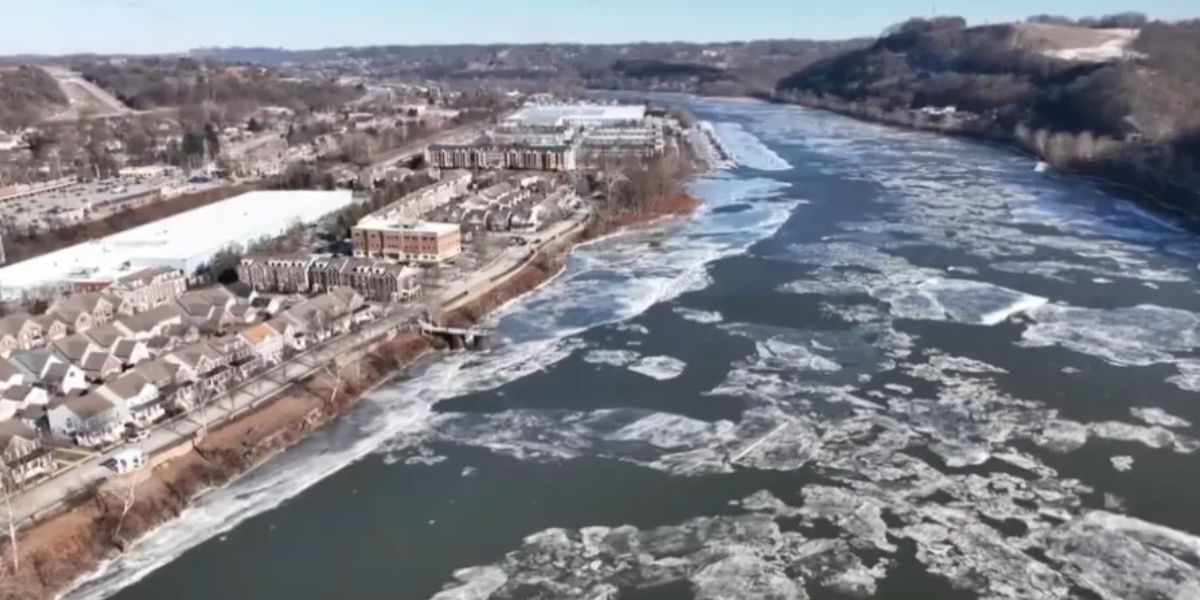
by Pittsburgh, PA – Pittsburgh’s water system is operating normally again after frigid temperatures caused ice to form on the Allegheny River and temporarily block the city’s water intake on Tuesday, officials said. The unusual ice buildup restricted the flow of water into the treatment plant, briefly reducing the city’s ability to pump and treat drinking water, particularly to neighborhoods at higher elevations.
Ice Formation on Allegheny River Disrupts Water Intake
On Tuesday morning, staff from Pittsburgh Water noticed significant ice formation along the Allegheny River, causing ice to accumulate at the intake structure that feeds raw water into the city’s treatment facility. The blockage interfered with the normal pumping operations that deliver water to homes and businesses throughout Pittsburgh.
The intake system Pittsburgh operates draws water from the river and sends it through a treatment plant where processes remove harmful bacteria, contaminants, and chemicals, making the water safe for residents to drink and use. When ice obstructs this intake, the flow of water into the plant can be restricted, limiting the volume of water that can be treated and distributed.

“Cold temperatures led to ice obstructing our water intake along the Allegheny River,” a Pittsburgh Water statement said. “The obstruction reduced the volume of treated water produced at our water treatment plant.”
Officials emphasized that ice blockages are not unprecedented during winter months in the region, but the severity of the blockage this week required a coordinated response to restore full capacity.
Immediate Response and Ice-Breaking Efforts
Instead of allowing the ice to pass naturally, as is sometimes done, city and utility officials took rapid action to address the blockage when it became clear the intake was significantly restricted, especially affecting high-elevation neighborhoods where water pressure and supply can be more sensitive to disruptions.
Emergency responders and Pittsburgh Water crews worked quickly to clear the ice formation near the intake. Efforts included both on-foot and equipment-based tactics:

“Pittsburgh Water is using several different tactics to mitigate this situation, including manually breaking the ice from above, hosing to keep ice away from the intake, and mechanical efforts from a barge to break up ice and debris,” said Pittsburgh Water in a statement.
A barge and tugboat were quickly deployed to the scene to support mechanical ice-breaking operations. The vessels worked to break up large chunks of ice and debris on the river surface to free the intake.
After approximately 45 minutes of initial treatment and response, crews were able to successfully clear enough ice to restore normal pumping operations.
Restoration of Water Treatment and Monitoring
Once the ice was sufficiently broken and debris cleared, pumping capacity returned to normal, Pittsburgh Water officials confirmed. Water began flowing through the treatment plant at full capacity once again, ensuring residents throughout the city could continue to receive treated water without interruption.
In an update, Pittsburgh Water said crews will continue to monitor conditions closely in the coming days as colder weather persists. Officials stressed that vigilance is key, particularly when frigid conditions can rapidly change river ice formation and water intake conditions.

Officials also noted that while residents might notice reduced flow or pressure in some areas during the disruption, the water supply was never fully halted, and the situation was resolved before it could escalate into a broader emergency.
How Winter Weather Can Impact Water Systems
Water intake blockages caused by river ice are an unusual but known risk for municipal water systems that rely on surface water sources, especially in regions experiencing extended cold spells.
When ice forms at the surface of a river and is pushed toward intake structures by currents and wind, it can create “ice bridges” that restrict the amount of raw water that reaches treatment facilities. This can lead to reduced treatment volumes, especially if the ice covers a large area or becomes tightly packed.
In some cases, operators may temporarily shut down intake pumps to prevent damage or allow ice to pass harmlessly downstream. In others, aggressive mitigation — such as the mechanical break-up seen in Pittsburgh on Tuesday — is used to clear the intake and maintain supply.
Municipal utilities in cold climates often prepare for such events by having ice mitigation plans, which can include ice-breaking vessels, heaters, or diversion structures to protect key infrastructure.
Community Impact and Safety
During the disruption, residents may have noticed lower water pressure or reduced flow, particularly in higher-elevation areas of Pittsburgh. City officials urge residents to report any ongoing issues with water supply through official Pittsburgh Water channels, though no widespread outages were reported in connection with this ice event.
Public safety officials also remind citizens that winter weather can lead to a range of infrastructure challenges, from frozen pipes to river ice hazards, and to exercise caution around icy waterways and cold outdoor conditions.
Share your experiences in the comments below.