 by
by The Perseid meteor shower, renowned for its bright and swift meteors, is set to peak on the night of August 12–13, 2025. Salem, Oregon, offers several excellent vantage points to witness this celestial event, provided the skies are clear and light pollution is minimal.
Key Viewing Information
The Perseid meteor shower is active from July 17 to August 24, with its peak occurring around August 12. During this period, the shower produces numerous bright meteors, some of which are fireballs. The meteors originate from debris left by Comet Swift-Tuttle, and despite the bright moonlight this year, many meteors are still expected to be visible.
- Peak Viewing Dates: July 17 – August 24, 2025
- Best Viewing Times: Approximately 2:00–4:00 a.m. local time
- Radiant Point: Constellation Perseus (northeastern sky)
- Meteor Rate: Up to 100 meteors per hour under ideal conditions
- Visibility Factors: Bright moonlight may reduce visibility of fainter meteors
Optimal Viewing Locations in Salem
To enhance your meteor-watching experience, consider visiting the following dark-sky areas away from city lights:

- Ankeny National Wildlife Refuge: Offers expansive open fields and minimal light pollution.
- Silver Falls State Park: Features elevated terrain for unobstructed views.
- Willamette Mission State Park: Provides a quiet environment with clear horizons.
- Minto-Brown Island Park: A local favorite for stargazing with ample parking and seating.
Viewing Tips
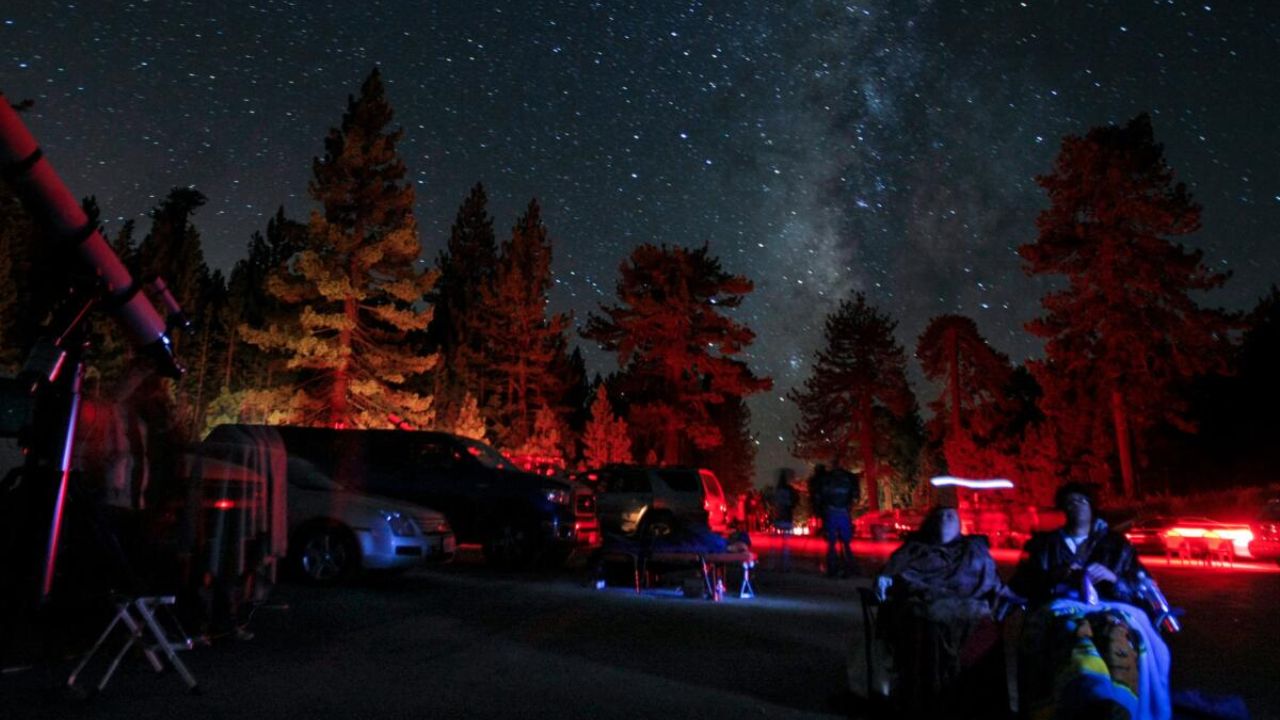
- Arrive Early: Set up at least 30 minutes before the peak to allow your eyes to adjust to the darkness.
- Dress Appropriately: Bring warm clothing and blankets for comfort during the cooler night hours.
- Use Reclining Chairs: These allow you to lie back and comfortably gaze at the sky.
- Avoid Artificial Lights: Use red flashlights to preserve night vision.
- Be Patient: Meteors can appear sporadically; a relaxed, open view of the sky is best.
Special Arrangements
As of now, there are no official public events or special arrangements announced in Salem for the Perseid meteor shower. However, local astronomy clubs or observatories may organize informal gatherings or viewing sessions. It’s advisable to check with the Salem Astronomical Society or local event listings for any updates.
For those unable to view the shower in person, NASA and other organizations often provide live streams of the event. Additionally, stargazing apps like Sky Guide or Stellarium can help you locate the radiant point and enhance your viewing experience.
Enjoy the celestial show, and may the skies be clear for your stargazing adventure!