 by
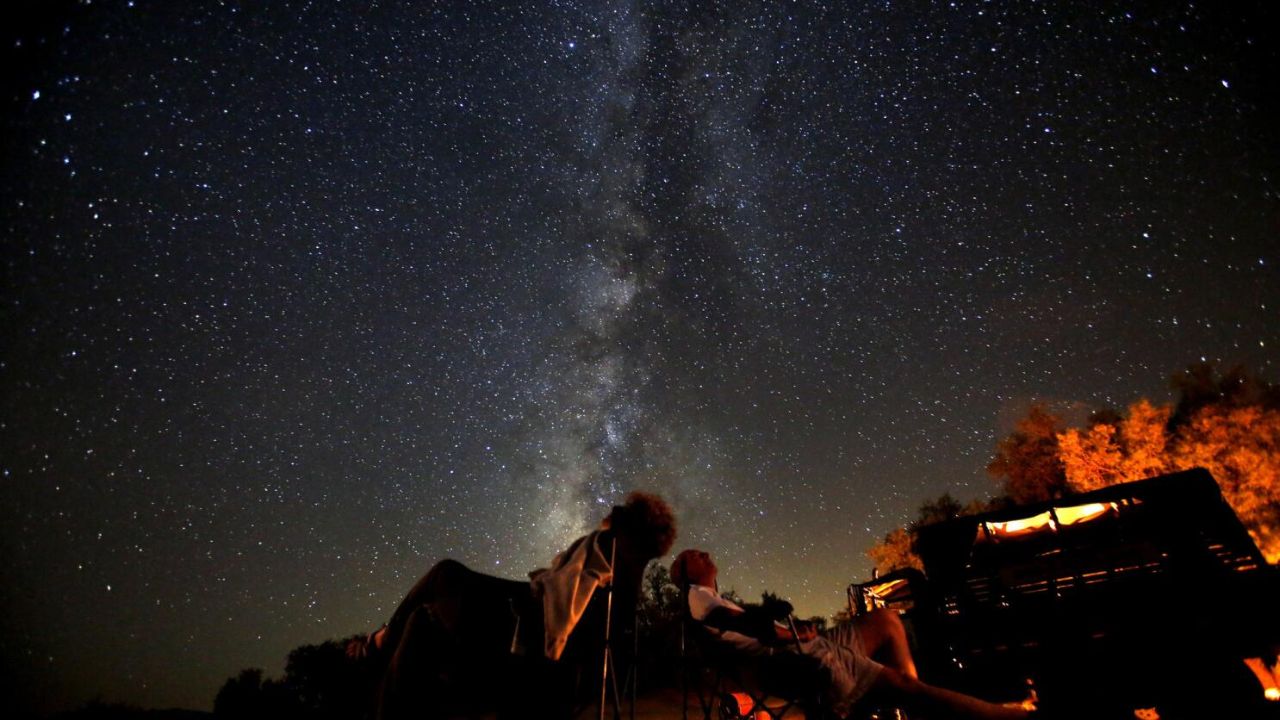
by The Perseids Meteor Shower is widely regarded as one of the most dazzling and anticipated night-sky events of the year, celebrated for producing a high number of bright, fast-moving meteors that can leave long, glowing trails across the darkness.
Occurring each summer when Earth passes through the debris field left by the comet Swift–Tuttle, the Perseids offer a natural spectacle that captures the attention of amateur stargazers and seasoned astronomers alike. Missouri’s combination of rural areas, rolling landscapes, and dedicated dark-sky parks provides an ideal backdrop for witnessing this celestial phenomenon.
Away from the light pollution of urban centers, the state’s open skies give viewers a better chance to spot dozens of meteors per hour during the shower’s peak, making it a perfect destination for anyone eager to experience one of nature’s most awe-inspiring light shows.

Here are the details for Perseids Meteor Shower in Missouri –
Dates and Peak Timing
- Active Period: July 17 to August 24, 2025
- Peak Night: August 11 to August 12, 2025
- Best Viewing Time: Midnight to 4:00 AM, with the highest meteor activity around 2:00 AM
- Estimated Meteor Rate: Up to 100 meteors per hour in ideal dark-sky conditions
Best Viewing Locations in Missouri
Missouri offers several prime stargazing spots away from city lights:
- Ha Ha Tonka State Park (Camdenton) – Scenic and far from urban glow
- Mark Twain National Forest – Vast forested area with multiple dark-sky points
- Cuivre River State Park (Troy) – Elevated locations and open fields for wide sky views
- Johnson’s Shut-Ins State Park (Middle Brook) – Natural landscapes with minimal light interference
- Big Oak Tree State Park (East Prairie) – Quiet location ideal for rural stargazing
- Watkins Mill State Park (Lawson) – Offers both open sky and accessibility from Kansas City
Viewing Tips
For the best Perseids viewing experience in Missouri:
- Find a dark location: Avoid urban and suburban light pollution
- Check the weather: Clear skies are essential for visibility
- Bring a reclining chair or blanket: Comfort is key for long viewing sessions
- Dress for cooler nights: Temperatures can dip after midnight
- Let your eyes adjust: Allow 20–30 minutes without bright lights
- Avoid phone screens: Use a red flashlight if needed to preserve night vision
- Be patient: Meteors often appear in clusters, so stay for at least an hour
- Look at a wide section of the sky: Though they radiate from Perseus, meteors can appear anywhere
Special Arrangements or Events
Missouri occasionally offers organized stargazing events during the Perseids:

- Astronomy clubs in St. Louis, Kansas City, and Springfield may host public meteor shower watch nights
- State parks sometimes extend hours or arrange special night-sky programs during the shower’s peak
- Local observatories may offer guided viewing sessions or educational talks
Conclusion
Missouri’s natural beauty and rural landscapes make it a fantastic place to witness the Perseids Meteor Shower. By finding a dark-sky location, preparing for the late-night hours, and bringing the right gear, you can enjoy one of the most breathtaking sky events of the year.