 by
by USA – A Reddit user’s routine walk home turned into an unexpected police stop, sparking a wider conversation about how U.S. communities are built for cars rather than people. The story, originally shared on r/mildlyinfuriating, shows how simply walking along a highway is treated as unusual or even alarming in many parts of the country.
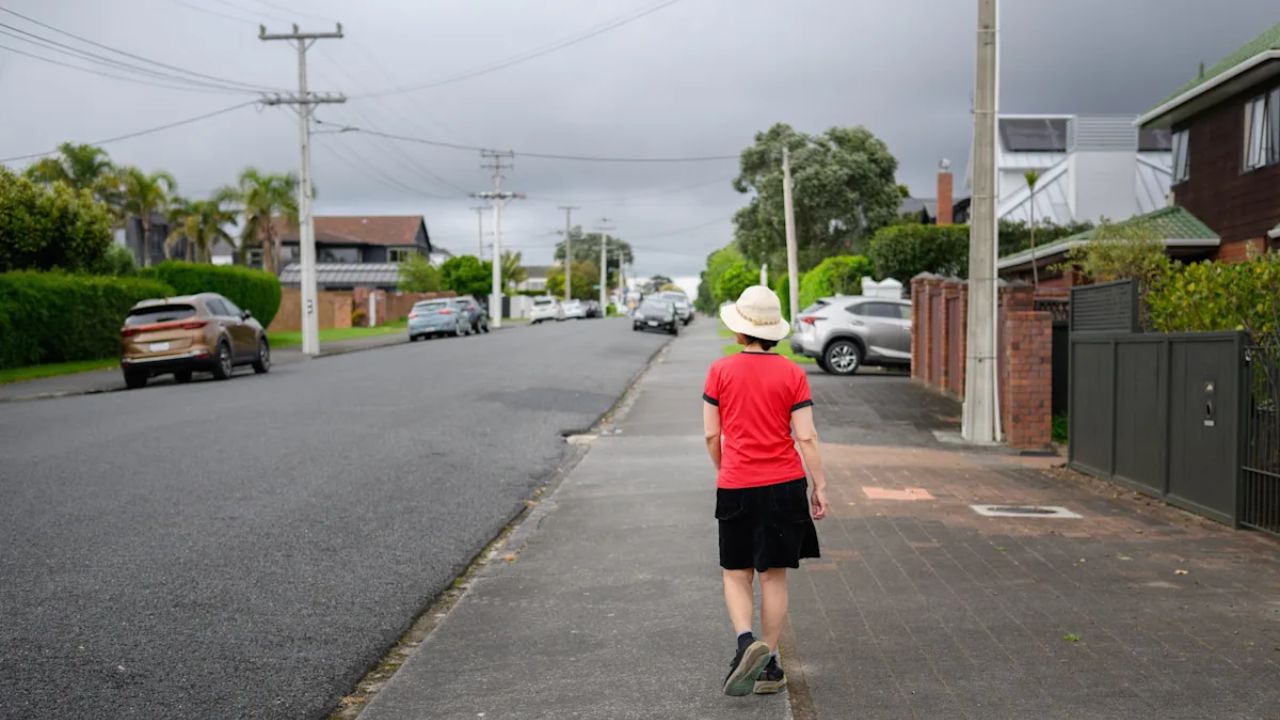
The poster wrote that it was only their second day at a new job when they suddenly became sick. With no ride available and unable to reach family, they began the nearly 10-mile journey home on foot. The route had no sidewalks, no pedestrian space, and ran directly alongside a highway.
Sheriff Responds After Driver Reports ‘Someone Acting Weird’
About four miles into the walk, a sheriff’s deputy pulled over. A driver had called authorities to report a person “acting weird and hiding in the bushes.” The pedestrian explained they were just trying to get home while feeling ill, with no safe place to walk other than the grass beside the road.

The officer realized the situation was harmless and noted that the call likely came from someone startled by seeing a person walking where people rarely walk. He also warned the pedestrian about the risk of walking so close to fast-moving traffic, saying drivers often don’t see people on the shoulder until it’s too late.
He then offered them a ride for the remaining distance.
Why Walking Looks Suspicious in Car-Built Communities
This interaction points to a larger issue across the United States: walking has become so rare in many areas that it draws suspicion. Entire regions have been developed around the assumption that everyone drives, leaving pedestrians without safe routes.
Highways and major arterials dominate the landscape. Sidewalks are missing, crosswalks are scarce, and public transit is limited. People who walk—even out of necessity—appear “out of place,” leading some drivers to call police when they see someone on foot.

Experts argue that this design doesn’t just inconvenience people. It affects public safety, air quality, and access to opportunity. When walking becomes dangerous or impossible, communities lose independence, mobility, and environmental benefits.
How Car Dependency Impacts Safety and Health
Walking is one of the cleanest and healthiest ways to travel, but the absence of basic infrastructure pushes many residents into cars for every errand, job, or appointment. People who don’t own a car, can’t drive, or are temporarily without transportation have few alternatives.
Neighborhoods with limited sidewalks and bike lanes often report higher injury rates, especially for children and older adults. Even short distances become hazardous when the only route available is next to speeding traffic.
This Reddit user’s experience mirrors what many Americans face daily: choosing between an unsafe walk or staying stranded.
Community Reactions Reflect Frustration and Gratitude
Reddit users responded with a mix of concern and appreciation.

One commenter noted how unpredictable these situations can be, writing:
A cop may just make something up to justify stopping someone, but it sounds like you handled it well and the officer was decent.
Another pointed out the upside of the encounter:
It was nice of the officer to help you out. Hope you start feeling better soon.
While the story ended positively, the underlying issue remains. Pedestrians in car-oriented places routinely face danger, misunderstanding, and social suspicion simply for walking along roads not designed for them.
A Call for Safer, Accessible Transportation Options
Urban planners and transportation advocates say the solution is straightforward: communities need more sidewalks, safer crossings, protected bike lanes, and dependable public transit options. These improvements would reduce accidents, boost local accessibility, and normalize walking as a legitimate, everyday mode of travel.
Share your thoughts in the comments.