
 by
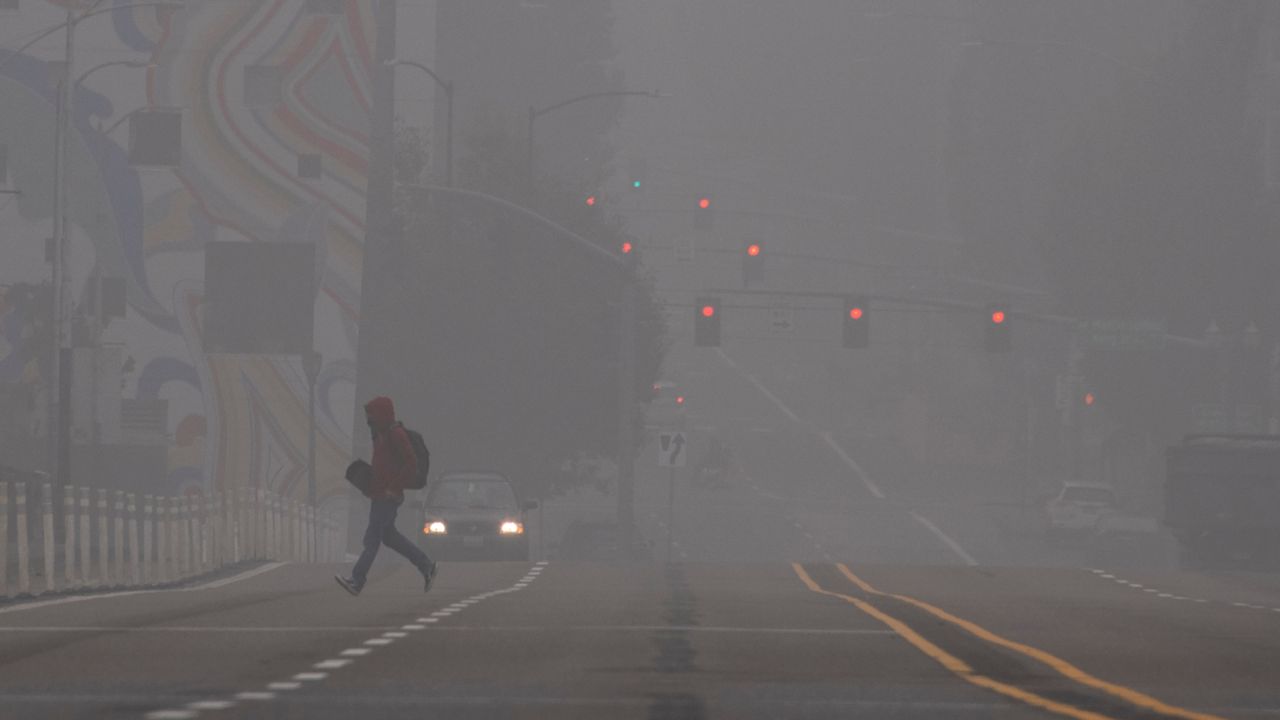
by Oregon — Thousands of residents in Oregon are dealing with unhealthy air pollution levels on Tuesday, according to a live map from AirNow, an official partner of the Environmental Protection Agency (EPA).
The map showed that Deschutes County, around La Pine, and Grant County, near John Day, recorded Air Quality Index (AQI) readings of 160 as of 2:45 a.m. ET, placing them in the “unhealthy” category for fine particulate matter (PM2.5) pollution.
Health Risks Associated with Unhealthy Air
Unhealthy air can affect everyone, but vulnerable populations—including children, the elderly, and those with heart or lung conditions—are at greater risk. Exposure to high levels of PM2.5 can cause eye, throat, and nose irritation, coughing, chest tightness, and shortness of breath.

According to the EPA, PM2.5 particles are tiny pollutants, roughly 2.5 micrometers or smaller—about 30 times smaller than a human hair. These microscopic particles can enter the respiratory system without being noticed and come from sources like wildfires, construction sites, power plants, and vehicle emissions.
Understanding the Air Quality Index (AQI)
The Air Quality Index (AQI) is a standardized system used across the U.S. to measure air pollution levels on a scale of 0 to 500.
- 0–50 (Green): Good — Air quality is satisfactory, with little or no risk.
- 51–100 (Yellow): Moderate — Air quality is acceptable but may pose risk to sensitive groups.
- 101–150 (Orange): Unhealthy for Sensitive Groups — Sensitive individuals may experience health effects.
- 151–200 (Red): Unhealthy — Some members of the public may experience health issues; sensitive groups at higher risk.
- 201–300 (Purple): Very Unhealthy — Health alert; everyone faces increased risk.
- 301+ (Maroon): Hazardous — Emergency conditions; everyone is likely to be affected.
Deschutes and Grant counties’ AQI of 160 falls into the “unhealthy” category, meaning some members of the general public may experience health effects, while sensitive populations could face serious complications.
EPA Recommendations for Residents
The EPA advises sensitive groups to avoid prolonged or intense outdoor activities and consider moving activities indoors. For the general public, reducing long or intense outdoor exertion and taking frequent breaks is recommended.

Scientific studies have linked PM2.5 exposure to premature death in individuals with heart or lung disease, nonfatal heart attacks, irregular heartbeat, aggravated asthma, decreased lung function, and increased respiratory symptoms like coughing and difficulty breathing.
Monitoring Air Quality and Staying Safe
Residents in affected areas are encouraged to continuously monitor air quality maps via the AirNow website, which updates readings throughout the day. Staying informed helps people adjust outdoor activities and take precautions to minimize exposure to harmful pollutants.
How are you adjusting your day to deal with the unhealthy air conditions in Oregon?
Share your tips and experiences in the comments below — your insight can help your community stay safe!