 by
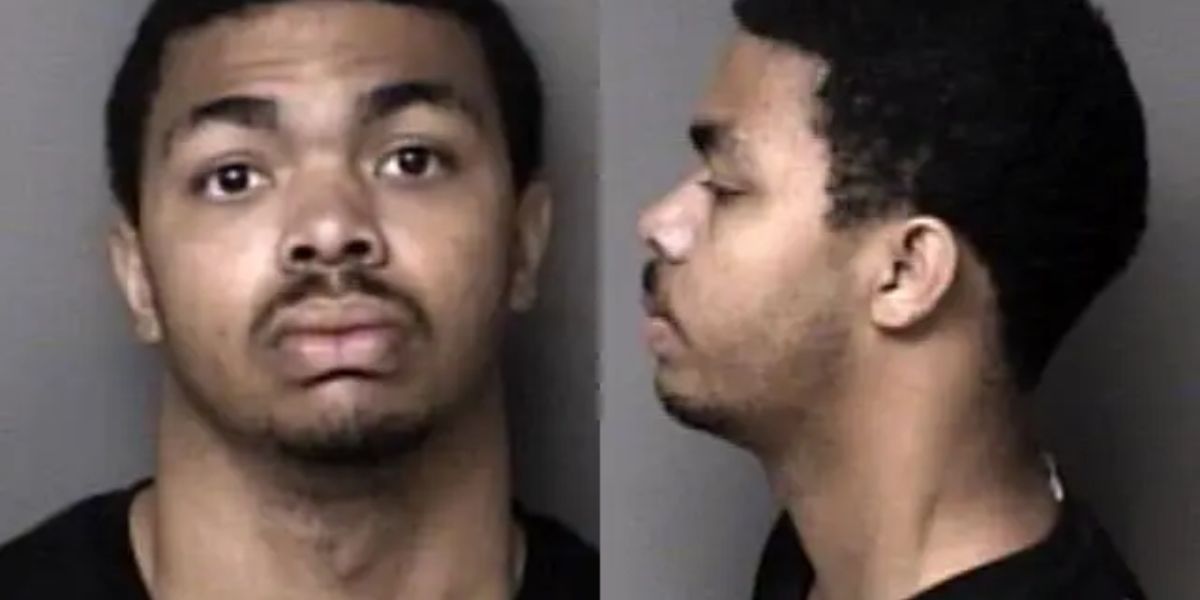
by Mint Hill, NC – A 18-year-old Burger King employee from Mint Hill, outside Charlotte, was arrested Wednesday after authorities said he planned a New Year’s Eve terrorist attack targeting a local fast-food restaurant and grocery store, intending to injure at least 19 people, federal officials reported Friday.
Christian Sturdivant faces serious charges for his alleged ISIS-inspired plot, which federal prosecutors described as “very well-planned” and motivated by extremist ideology.
Suspect Foiled by Undercover Law Enforcement
According to U.S. Attorney Russ Ferguson, Sturdivant was stopped before carrying out the deadly scheme after interacting online with two undercover law enforcement officers—an NYPD officer and an FBI agent—whom he believed were ISIS collaborators.

The suspect told investigators in online chats, “I am a follower and soldier of the state … I’m prepared for death,” according to an affidavit by FBI Special Agent John Ryan Anthony. Sturdivant also discussed purchasing firearms, agreeing to send $500 to $600 in preparation for the attack.
Detailed Attack Plans Discovered
Authorities found that Sturdivant’s room contained two butcher knives, two hammers, and multiple written documents outlining his planned attacks, including a hand-written manifesto titled “The New Year’s Eve Attack 2026”. Sections of the document referenced “martyrdom Op” and contained details about targeting police upon their arrival, intending to die as a martyr.
Another document, “Manifesto of Jihad,” described two plans:
- Plan A (“Burger King Jihad”): Targeting a fast-food location with the goal of injuring 8 or more people
- Plan B (“Grocery Store Jihad”): Targeting a local grocery store with the goal of injuring 11 or more people
Investigators noted Sturdivant specifically intended to target Jews, Christians, and members of the LGBTQ community, according to FBI Charlotte Special Agent James Barnacle.

History of Violent Behavior
Court filings revealed that Sturdivant first attempted a terror-inspired attack at age 14. In 2022, he tried to leave his home dressed in all black with a hammer and knife, planning to attack a neighbor. His grandfather restrained him, after which Sturdivant received psychiatric treatment and was barred from social media.
Despite these precautions, authorities allege Sturdivant became radicalized online, consuming ISIS propaganda and communicating with terror sympathizers via social media and chat rooms.
Federal Charges and Detention
Sturdivant was charged with attempted material support of ISIS, a crime that carries up to 20 years in federal prison if convicted. He appeared in Charlotte federal court Friday morning and was held without bail.
Federal officials emphasized the seriousness of the plot and noted the arrest came before any civilians were harmed, preventing what could have been a deadly attack on New Year’s Eve.
Context and National Security Concerns
Authorities compared the foiled plot to last year’s ISIS-inspired New Orleans truck attack, which killed 14 people and injured 57 others during Bourbon Street celebrations on New Year’s Eve. Federal prosecutors said early intervention and undercover operations were critical in preventing similar mass-casualty attacks.

How should communities and authorities balance mental health interventions, online monitoring, and national security to prevent radicalized youth from committing violent acts? Do you think social media bans are effective in stopping radicalization? Share your thoughts and join the conversation in the comments below.