 by
by In West Virginia, obtaining a driver’s license is more than just earning the legal right to drive—it’s also a vital form of identification and a key to mobility, independence, and opportunity. The West Virginia Division of Motor Vehicles (WV DMV) is the authority responsible for issuing licenses in the state, governed by Chapter 17B of the West Virginia Code.
Whether you’re applying for your first license, transferring from another state, or seeking a motorcycle or commercial license, understanding the process is essential. This guide explains the different types of licenses, eligibility criteria, testing, and renewal procedures to help you navigate the process smoothly.
Types of Driver’s Licenses in West Virginia
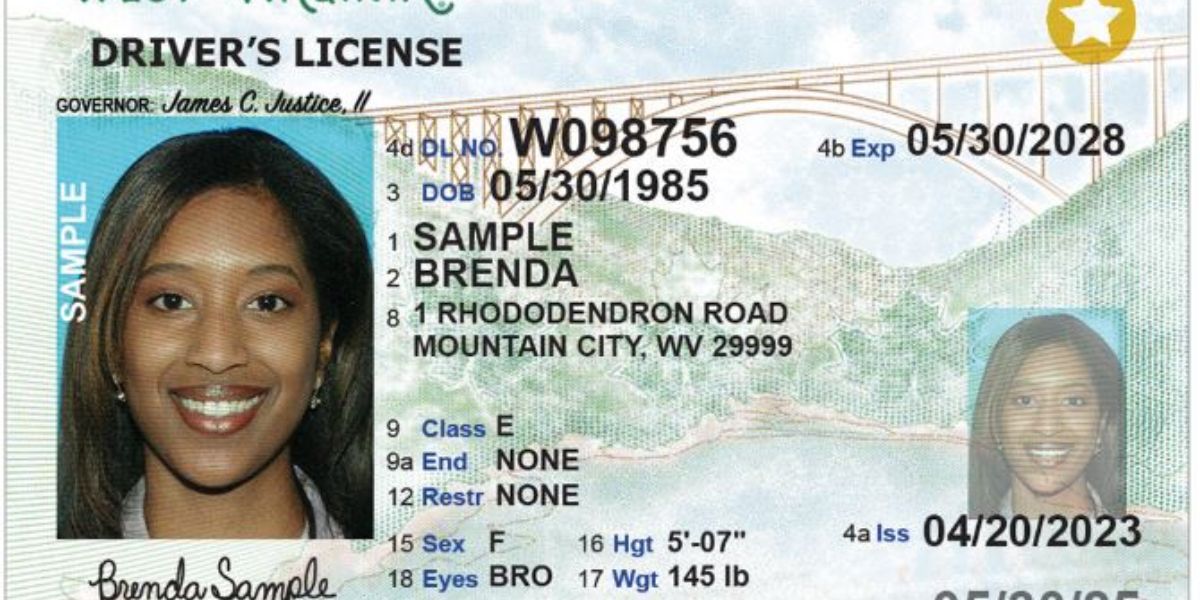
West Virginia offers a variety of licenses designed to meet different driving needs, with options for everyday drivers, motorcycle riders, and commercial vehicle operators. The state also complies with the Real ID Act, which means residents can opt for a Real ID license—marked with a gold star—that meets federal identification requirements for air travel and entering certain federal buildings.

Class E – Standard Driver’s License
The most common license issued to residents, the Class E license permits individuals to operate non-commercial vehicles like cars, SUVs, and small trucks. It serves both as a driving permit and a legal form of identification.
Class D – Light Commercial License
This license allows drivers to operate larger non-commercial vehicles with a Gross Vehicle Weight Rating (GVWR) between 8,001 and 26,000 pounds. It is often required for drivers of larger vans or trucks used for private purposes that do not require a full commercial license.
Commercial Driver’s Licenses (CDLs)
For those who operate large commercial vehicles, West Virginia offers several CDL classes:
- Class A: Combination vehicles with a Gross Combination Weight Rating (GCWR) over 26,001 pounds, including trailers over 10,000 pounds.
- Class B: Single vehicles over 26,001 pounds, with trailers under 10,000 pounds.
- Class C: Vehicles transporting hazardous materials or designed to carry 16 or more passengers, including the driver.
CDL applicants must meet additional requirements, including having at least two years of prior driving experience.

Class F – Motorcycle License
To legally operate a motorcycle, residents must obtain a motorcycle instruction permit, an endorsement (F Endorsement) on an existing license, or a separate Class F motorcycle-only license.
Motorcycle-only licenses restrict the holder to operating motorcycles, whereas an F Endorsement allows motorcycle operation alongside regular vehicles.
Class G – Vision-Restricted License
Drivers who do not meet the minimum vision standards for a typical license may qualify for a Class G license, which allows driving under specific restrictions based on medical recommendations.
The Graduated Driver’s License (GDL) Program
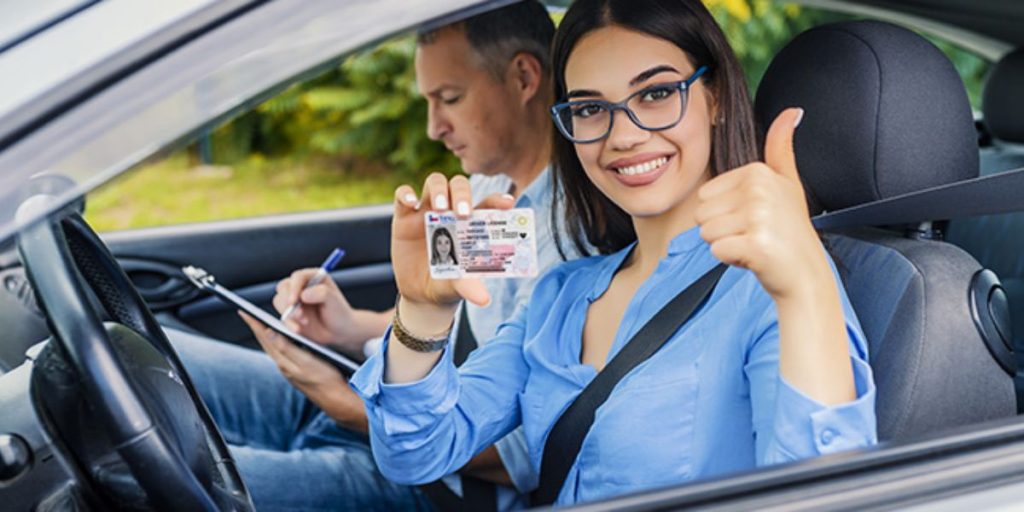
For drivers under 18, West Virginia uses a Graduated Driver’s License (GDL) system to ensure young drivers gain experience before earning unrestricted driving privileges. This three-step process emphasizes safety and skill development.
Level 1 – Instruction Permit (Ages 15–18)
Young drivers can apply for an instruction permit with parental consent. They must pass vision and knowledge tests, and a supervising licensed adult must accompany them when driving.

Restrictions include:
- Driving permitted only between 5 AM and 10 PM
- No more than two non-family passengers
- Seat belts mandatory for all occupants
Level 2 – Intermediate License (Ages 16–18)
After holding a Level 1 permit for at least 180 days and logging 50 hours of supervised driving (10 hours at night), applicants can take the road skills test. If successful, they receive an intermediate license with fewer restrictions but still limited nighttime driving privileges.
Level 3 – Full License (Ages 17–18)
Once a driver turns 17 and has held a Level 2 license for at least a year without violations, they can obtain a full, unrestricted Class E license.
Application Process for New Drivers
Getting a driver’s license in West Virginia requires passing several steps to ensure that drivers understand road rules and can operate a vehicle safely.
Required Documents
Applicants must present:
- Proof of Identity (e.g., birth certificate, passport)
- Social Security Number (e.g., SSN card, W-2 form)
- Proof of West Virginia Residency (e.g., utility bill, lease)
- Proof of Lawful Presence in the U.S.
For minors, proof of school enrollment or academic progress is also required.
Testing Requirements
All applicants must pass:
- Knowledge Test – 25 questions on traffic laws and safe driving practices (minimum 19 correct to pass).
- Vision Test – Minimum required acuity is 20/40; corrective lenses may be required.
- Road Skills Test – Practical driving exam demonstrating vehicle control and adherence to traffic laws.
Applicants can schedule their tests online, and some knowledge tests are available in audio format for individuals with reading difficulties.
License Fees
The cost of obtaining or renewing a license varies by type and age. Here are some general fees:
- Knowledge Test: $7.50 per attempt
- Road Skills Test: $7.50 per attempt
- Instruction Permit: $7.50
- Real ID upgrade: $10 additional
- Class E License Renewal: $2.50 per year
- Class F (Motorcycle) Renewal: $5 per year
- Duplicate License: $7.50
Payment methods include cash, credit/debit cards, checks, and money orders.
Renewals and Replacements
West Virginia’s Drive for Five program standardizes most driver’s license validity periods to five years, simplifying the renewal process.
Renewal Options
- In-Person: At any WV DMV location with required identification and proof of residency.
- Online: Through the portal
Drivers can renew their license up to six months before expiration. Elderly drivers may need to provide updated vision test results. Licenses expired for more than six months require retesting.
Out-of-State Transfers
New residents must obtain a WV license within 30 days of establishing residency. Underaged applicants with an out-of-state GDL may have their time in the program credited, provided they present driving records from their previous state.
Final Thoughts
A West Virginia driver’s license isn’t just a legal requirement—it’s a symbol of responsibility and independence. Whether you’re a new driver, a motorcycle enthusiast, or an experienced commercial driver, understanding the state’s licensing process ensures you’re prepared to drive legally and safely on West Virginia roads.