 by
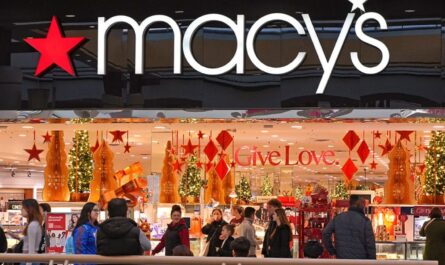
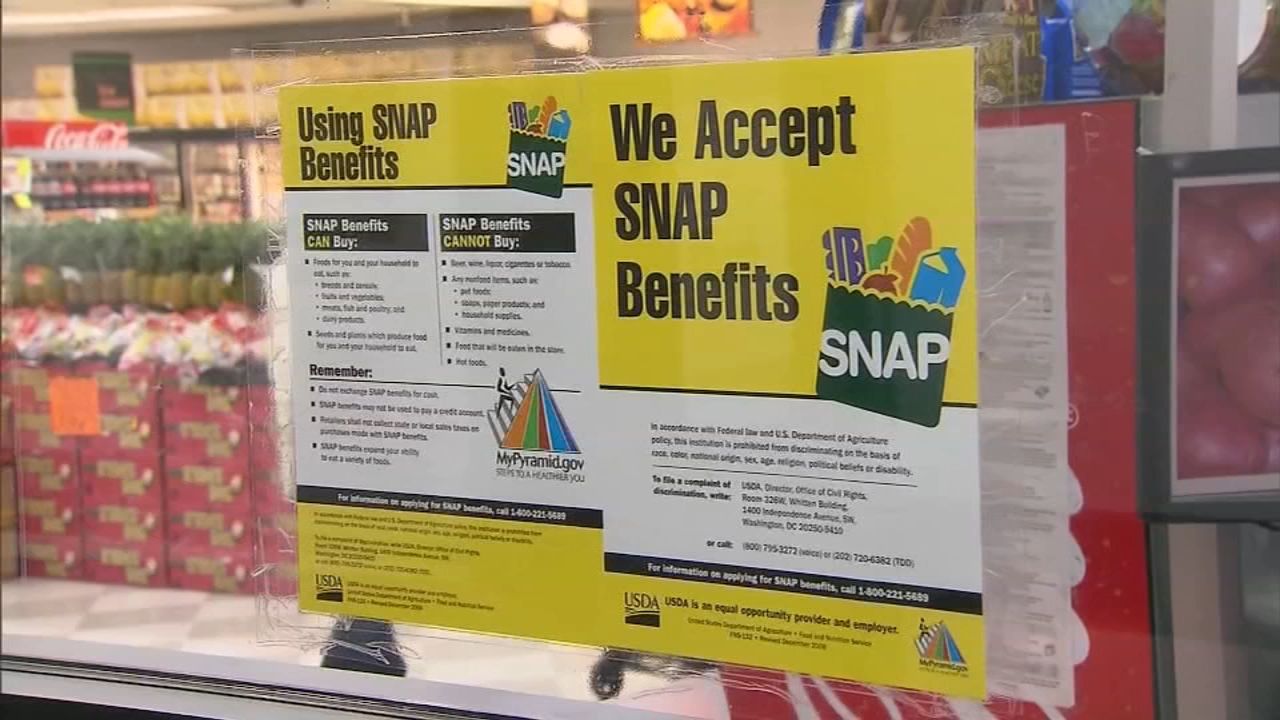
by Des Moines, Iowa – Senator Joni Ernst of Iowa has unveiled a new legislative proposal targeting the use of Supplemental Nutrition Assistance Program (SNAP) benefits for purchasing prepared meals. The bill, officially dubbed the McStopping Chains from Using SNAP EBT to Make Entrees (McSCUSE ME) Act, aims to reform the longstanding Restaurant Meals Program (RMP), which allows certain SNAP recipients to buy ready-to-eat meals from approved vendors.
SNAP and the Restaurant Meals Program
Currently, SNAP serves over 42 million Americans across the United States, offering financial assistance for groceries and essential food items. The RMP, a specialized component of SNAP, enables eligible participants—including elderly individuals, people with disabilities, and homeless Americans—to purchase meals at participating restaurants using their EBT cards.
Participation in RMP varies by state, with programs active in Arizona, California, Illinois, Maryland, Massachusetts, Michigan, New York, Rhode Island, and Virginia, while Oregon is testing a pilot program. Each state determines its own eligibility requirements and participating vendors. Under the program, recipients cannot use funds for alcohol or gratuities.

Concerns Over Fast Food Spending
According to Senator Ernst, RMP spending totaled $524 million over the past two years, with nearly all of it going toward fast food purchases. California led all states with $475 million spent between June 2023 and May 2025, followed by substantial expenditures in Arizona, New York, and Michigan.
Ernst commented, “The ‘N’ in SNAP stands for nutrition—not nuggets with a side of fries. Spending $250 million a year at fast-food drive-thrus is a serious misuse of taxpayer money.”
Key Reforms Proposed in the McSCUSE ME Act
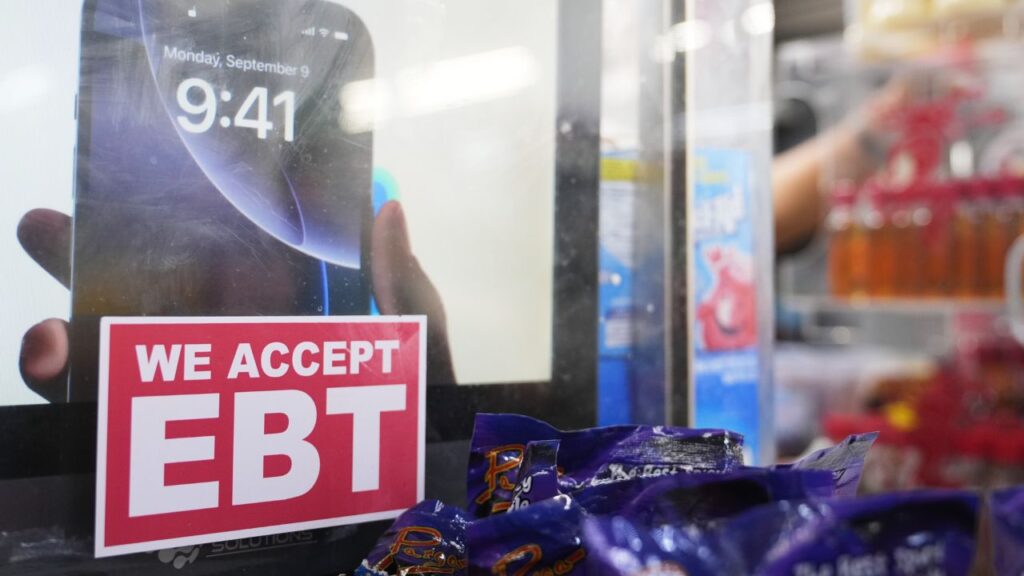
The legislation proposes several major changes to RMP:
- Limiting vendor eligibility to grocery stores and other retailers offering healthy prepared food options, excluding fast-food and quick-service chains.
- Maintaining access for elderly, disabled, and homeless participants, but removing automatic spousal eligibility.
- Mandating annual reporting on participating vendors, program costs, and the number of beneficiaries.
The bill reflects growing efforts to improve SNAP’s nutritional impact, following recent initiatives in several states to restrict SNAP funds from being spent on junk food, sugary drinks, and snacks.
Reactions and Next Steps
Ernst emphasized the fiscal responsibility aspect of the bill, stating, “I hate to be the one to say McSCUSE ME, but something needs to be done because taxpayers are not lovin’ it.”
The bill is expected to be introduced to the U.S. Senate, where lawmakers will debate its merits and potential effects on millions of SNAP recipients nationwide.
What do you think about limiting SNAP benefits to healthier prepared meals? Do you agree with the McSCUSE ME Act reforms or see them as restrictive? Share your thoughts in the comments below!