
 by
by Washington, D.C. — Many working Americans may get an unexpected financial boost in early 2026, as Treasury Secretary Scott Bessent announced that households could receive large tax refunds ranging from $1,000 to $2,000 under the new federal tax law.
The refunds are expected to arrive in the first quarter of 2026, thanks to provisions included in President Donald Trump’s One Big Beautiful Bill Act, which was passed in July 2025. The legislation, widely described as budget-focused and sweeping, is set to provide a significant payout to millions of Americans.
Treasury Predicts Billions in Refunds
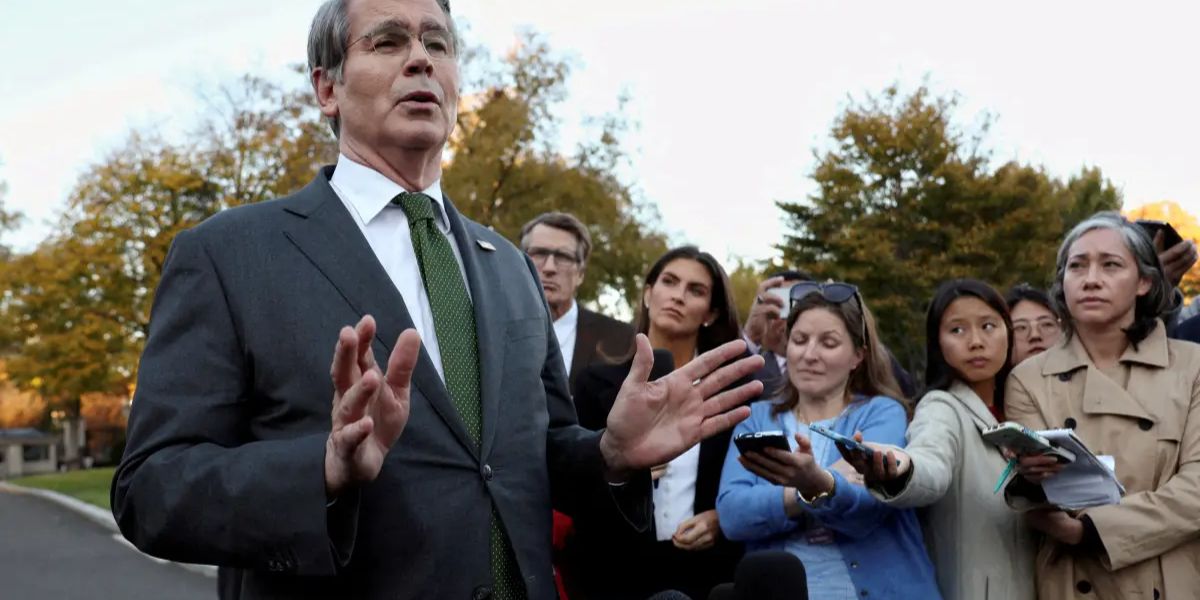
Speaking Wednesday, Secretary Bessent told reporters that the government anticipates issuing roughly $100–$150 billion in refunds, translating to an average of $1,000 to $2,000 per household. He attributed the refunds to key elements of the legislation, including auto-deductibility and exemptions on tips, which were designed to lighten the tax burden for working Americans.

Many taxpayers have not yet adjusted their tax withholding, meaning that large refunds will likely be issued next year. After receiving the payouts, workers are expected to modify their withholding status, allowing less tax to be taken from each paycheck, resulting in a real increase in take-home pay, Bessent explained.
White House Economic Council Confirms Refund Estimates
Earlier this week, Kevin Hassett, Director of the White House National Economic Council, projected similar numbers, stating that Americans could receive an additional $1,600 to $2,000 next year. He emphasized that most of the extra money would come through tax refunds, providing a welcome boost for households across the country.
Legislation and Controversy
The One Big Beautiful Bill Act has faced criticism from some lawmakers and advocacy groups. Critics argue that the legislation disproportionately benefits wealthier Americans while simultaneously cutting essential programs, such as Medicaid and food stamps. Supporters maintain that the tax cuts will stimulate economic growth and provide immediate relief to working families through the refunds and reduced withholding.
Despite the debate, millions of taxpayers are expected to benefit from the legislation, potentially treating the first quarter of 2026 as a “second Christmas” for families receiving these substantial refunds.

How Refunds Will Affect Workers
Once taxpayers adjust their withholding, paychecks will reflect higher net income, giving workers more disposable income throughout the year rather than waiting for a single refund at tax time. Analysts suggest this change could boost consumer spending and provide relief to families facing inflationary pressures or rising household costs.
Will You Be Getting a Refund?
Are you expecting to receive part of the $1,000–$2,000 tax refunds next year? Share your thoughts on how you plan to use the money and what this means for your household in the comments below!