 by
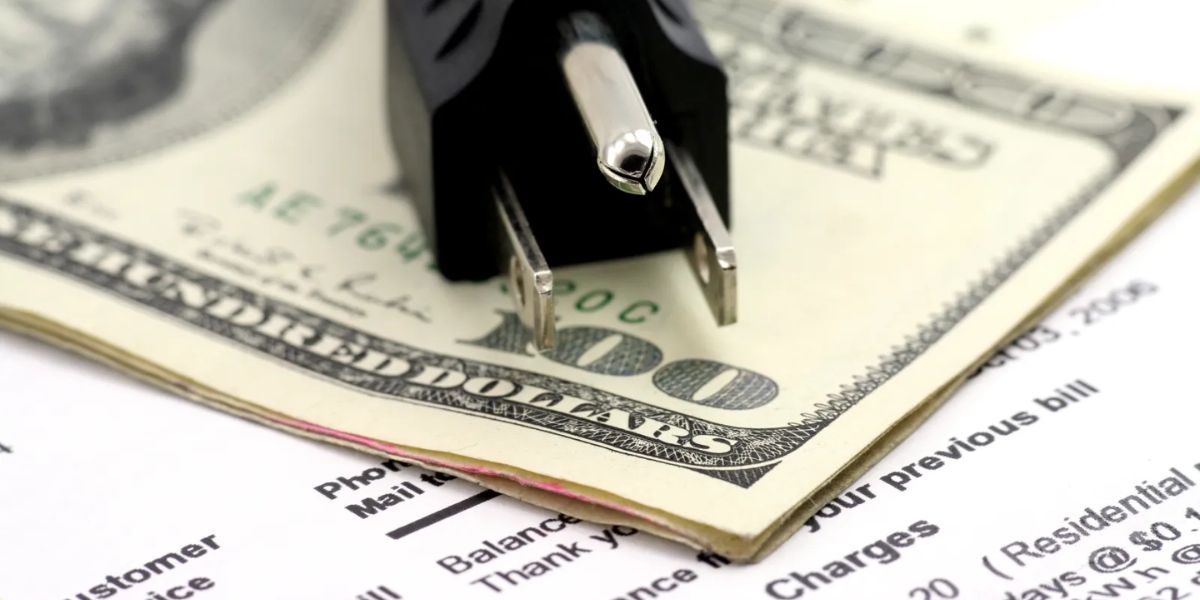
by Washington, D.C. — Millions of households across the United States are facing delays in receiving up to $1,000 in crisis energy assistance from the Low Income Home Energy Assistance Program (LIHEAP) due to the recent federal government shutdown. Payments that were typically expected earlier in the season are now anticipated to begin in December 2025, leaving low-income families and vulnerable populations concerned about covering essential heating and cooling costs this winter.
What LIHEAP Does and Who It Helps
LIHEAP is a federally funded program that provides states with resources to assist eligible households in managing home energy expenses. While it does not cover all utility costs, it plays a critical role in helping families reduce energy burdens. The program offers support for:
- Heating and cooling bills
- Crisis situations, such as utility shutoffs or fuel shortages
- Weatherization improvements, including minor home repairs that enhance energy efficiency
In the 2023 fiscal year, LIHEAP helped 5.9 million households cover energy costs, according to the U.S. Department of Health and Human Services (HHS).

Eligibility is determined at the state level, but generally includes:
- Low-income households, often at or below 150% of the federal poverty level
- Households with high energy burdens, meaning a large portion of income is spent on utilities
- Vulnerable groups, such as older adults, people with disabilities, families with young children, and households facing energy emergencies
Government Shutdown Causing LIHEAP Delays
Several states have reported that the 2025–2026 LIHEAP season is delayed due to the federal government shutdown, which has disrupted the flow of federal funding to state programs.
- In Pennsylvania, the state’s website confirmed that LIHEAP will not open until December 3, 2025, pending the availability of federal funding.
- In Minnesota, Nancy Linden, director of the Energy Assistance Program at the Department of Commerce, said the state normally receives funding in early November. She warned that due to the shutdown, funds may not reach Minnesota until mid-December, pushing back assistance to households in need.
Similar delays have been reported in Georgia, while senators from New York, Rhode Island, Maine, and Alaska sent a November 20 letter to the HHS urging immediate release of LIHEAP funds.
Lawmakers Stress Urgency of Funding
In their letter, senators emphasized the importance of LIHEAP for low-income and senior households:

“As the main federal program that helps low-income households and seniors with their energy bills, LIHEAP provides critical assistance during the cold winter and hot summer months. It is crucial that states and tribes have the resources on hand to help households as soon as possible. We request that you quickly release LIHEAP funds at the highest level possible, so families do not have to choose between paying for heat and affording other necessities like food or medicine.”
Federal officials have not yet confirmed a revised funding schedule, leaving states and residents anxiously awaiting clarity.
Impact on Low-Income Families
With winter temperatures approaching, delays in LIHEAP payments are forcing many households to make difficult decisions about energy consumption and other essential expenses. Families who rely on this assistance could face utility shutoffs, increased energy debt, or compromised safety without timely support.
State energy assistance offices have advised residents to apply as soon as funds become available and to monitor local announcements for updates regarding payment schedules.
How Is Your State Handling LIHEAP Delays?
Are you or someone you know affected by the LIHEAP funding delays? Share your experiences and advice in the comments — your input could help other households navigate the winter energy crisis.