 by
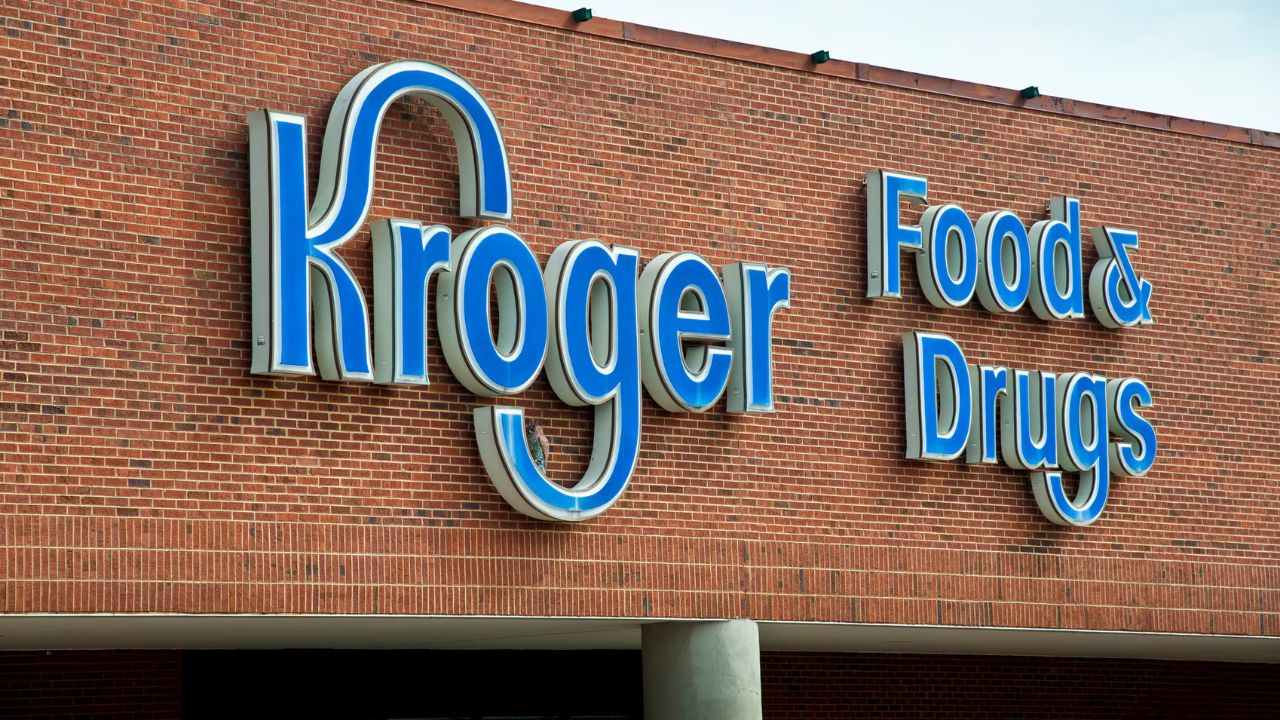
by Cincinnati, Ohio — Grocery giant Kroger has announced plans to close roughly 60 underperforming stores across the United States over the next 18 months, a move the company says will help streamline operations and reinvest in improving the shopping experience.
The announcement follows the collapse of Kroger’s planned merger with Albertsons, a deal that had drawn intense scrutiny from regulators and ultimately failed in court.
Kroger Moving to Close Underperforming Stores
Company officials say the planned closures will affect about 2% of Kroger’s total store network.

Kroger described the decision as part of a broader effort to improve efficiency and focus on stronger-performing locations.
The company said savings from the closures will be reinvested into improving stores, technology and overall customer experience.
For many shoppers, however, the announcement raises concerns about fewer grocery options, longer travel distances and busier nearby stores.
Employees Will Be Offered Other Positions
Kroger said employees at affected locations will not automatically lose their jobs.

Instead, the company says it plans to offer workers opportunities at nearby Kroger stores whenever possible.
While the company expects modest financial benefits from the closures, officials say the long-term goal is to create a stronger and more efficient store network.
Merger Collapse Changed Kroger’s Strategy
The decision to close stores comes months after a major merger plan between Kroger and Albertsons was blocked by courts.
The proposed deal, announced in 2022 and valued at approximately $24.6 billion, would have combined two of the largest grocery chains in the United States.
However, regulators argued the merger could reduce competition and potentially raise grocery prices.
Courts eventually blocked the deal in multiple states, forcing both companies to abandon the plan.
Following the collapse, Kroger returned to reviewing individual store performance across its existing network.
Corporate Layoffs Also Reported
At the same time, Kroger has reportedly reduced some corporate positions as part of broader cost-cutting efforts.
Reports indicate nearly 1,000 corporate roles have been trimmed in an effort to streamline operations.
Company officials say the layoffs are primarily focused on corporate offices and not store or supply-chain jobs.
Still, shoppers sometimes notice changes during corporate restructuring periods, such as longer wait times for customer service or operational adjustments.
What “Underperforming” Stores Means
Retail analysts say grocery chains often evaluate multiple factors when determining whether a location is underperforming.
These factors can include:
• Sales volume
• Lease costs and rent increases
• Maintenance costs for older buildings
• Proximity to other Kroger stores
Sometimes stores located close to other Kroger locations may be closed if the company believes customers will shift to nearby stores.
Possible Impact on Local Shoppers
When a grocery store closes, the most immediate change shoppers notice is increased crowds at nearby locations.
Experts say this can lead to:
• Longer checkout lines
• Busier parking lots
• Limited pickup or delivery time slots
During the transition period after closures, stores often experience higher traffic until shoppers adjust their routines.
Tips for Customers if a Store Closes
If a local Kroger location shuts down, experts recommend taking a few steps early to avoid disruptions.
These include:
• Transferring pharmacy prescriptions before the final week
• Saving loyalty rewards and digital coupons
• Checking delivery coverage and pickup availability at nearby stores
Customers may also want to track grocery prices during the transition period, as store changes can sometimes cause temporary price fluctuations.
Grocery Industry Continues to Evolve
The planned closures highlight how major grocery chains continue adjusting operations amid changing consumer habits and increasing competition.
While Kroger says the move will strengthen its long-term business, many shoppers are watching closely to see how store closures could affect convenience, pricing and availability in their communities.
How would a grocery store closure affect your shopping routine? Share your thoughts respectfully in the comments below.