
 by
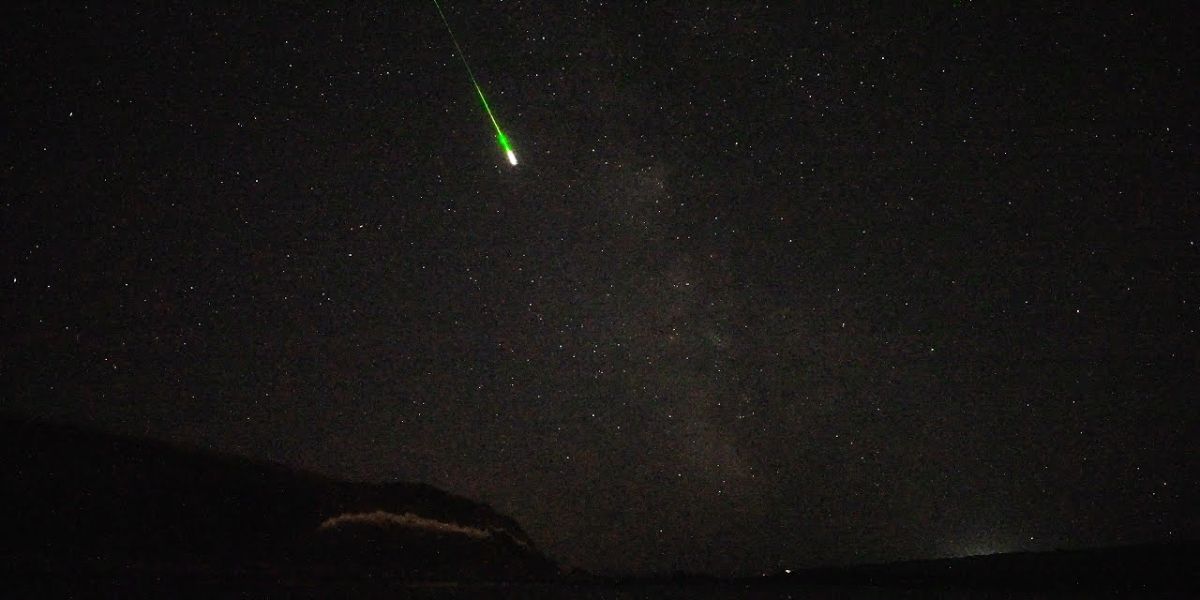
by New Mexico’s dark skies make it a prime destination for meteor viewing—with minimal light pollution and high elevation, stargazers across the state can expect breathtaking celestial shows this July. Below are the key meteor showers, where to watch from, optimal viewing times, and dates to plan backup sessions.
1. Southern Delta Aquariids
- Active: July 18 – August 12
- Peak: July 29–30 (ZHR ≈ 16 per hour)
- Best Viewing Times: Midnight to dawn; aim south, midway up the sky near Aquarius
- Ideal Towns:
- Ruidoso (Lincoln Co.): Dark skies, easy horizon views of Aquarius.
- Albuquerque Basin: Accessible viewing spots like Petroglyph National Monument.
- Grants & Navajo Nation: Less light pollution, optimal southern horizon.
- Rain Dates: Early August (July 30–Aug 2) for overcast backup nights.
2. Alpha Capricornids
- Active: July 7 – August 15
- Peak: July 31 (ZHR ≈ 5; occasional bright fireballs)
- Best Viewing Times: Pre-dawn hours (~1 a.m.), look south-southeast toward Capricornus
- Ideal Towns:
- Carlsbad & Roswell area: Low light zones with wide southern views.
- Silver City & Gila: Remote locations with deep skies.
- Rain Dates: July 31–Aug 2 window for flexible scheduling.
3. Pegasids (July Pegasids)
- Active: July 4 – August 8
- Peak: ≈ July 11 (ZHR 3 per hour; fast ~64 km/s)
- Best Viewing Times: After midnight; look toward Pegasus in the east–northeast
- Ideal Towns:
- Taos Plateau: Eastward-facing clear skies.
- Cloudcroft / Sacramento Mtns: Elevated and dark with minimal interference.
- Rain Dates: July 10–13.
4. Perseids (EARLY START)
While the main Perseids peak in August, July marks the onset of increased activity:
- Active: July 14 – September 1; ramping up in late July
- Early Viewing Window: From July 17 onward, activity is noticeable
- Best Viewing Times: Pre-dawn hours; radiant in Perseus rising in northeast.
- Ideal Towns:
- White Sands / Alamogordo: Open horizon, remote stargazing.
- Gila National Forest: Recognized Dark Sky Sanctuary.
- Chaco Culture NM: Minimal light pollution, east-facing views.
- Rain Dates: July 25–29 to catch early activity under favorable moon conditions.
July 2025 Moon Phases (New Mexico)
- July 10: Full “Buck Moon” – peak brightness, lunar glare may wash out fainter meteors
- July 17: New Moon in Leo – perfect darkness for meteor watching
- July 24: Next New Moon – ideal for all showers.
- Showers after July 17 benefit from darker skies.
Summary Table
| Meteor Shower | Peak Dates | Best Time | Target Constellation | Recommended Locations | Rain Dates |
|---|---|---|---|---|---|
| Delta Aquariids | July 29–30 | Midnight–dawn | Aquarius | Ruidoso, Albuquerque, Grants | July 30–Aug 2 |
| Alpha Capricornids | July 31 | ~1 a.m. | Capricornus | Carlsbad, Silver City | July 31–Aug 2 |
| Pegasids | July 11 | After midnight | Pegasus | Taos, Cloudcroft | July 10–13 |
| Perseids (early stage) | – | Pre-dawn | Perseus | White Sands, Gila, Chaco | July 25–29 |
Tips for New Mexico Stargazers
- Avoid city lights — head for state/national parks or high desert areas.
- Relax for 30 minutes to allow your eyes to reach full night vision.
- Bring red flashlight to preserve dark adaptation.
- Dress warm & bring supplies — July nights in high-elevation deserts can drop in temperature.
- Check weather updates for cloud cover or monsoon activity, especially in late July.