
 by
by Bradenton, Florida — A nationally recognized academic and athletic training institution has agreed to pay $1.72 million in federal penalties after investigators found it accepted tuition payments linked to individuals associated with Mexican drug cartels.
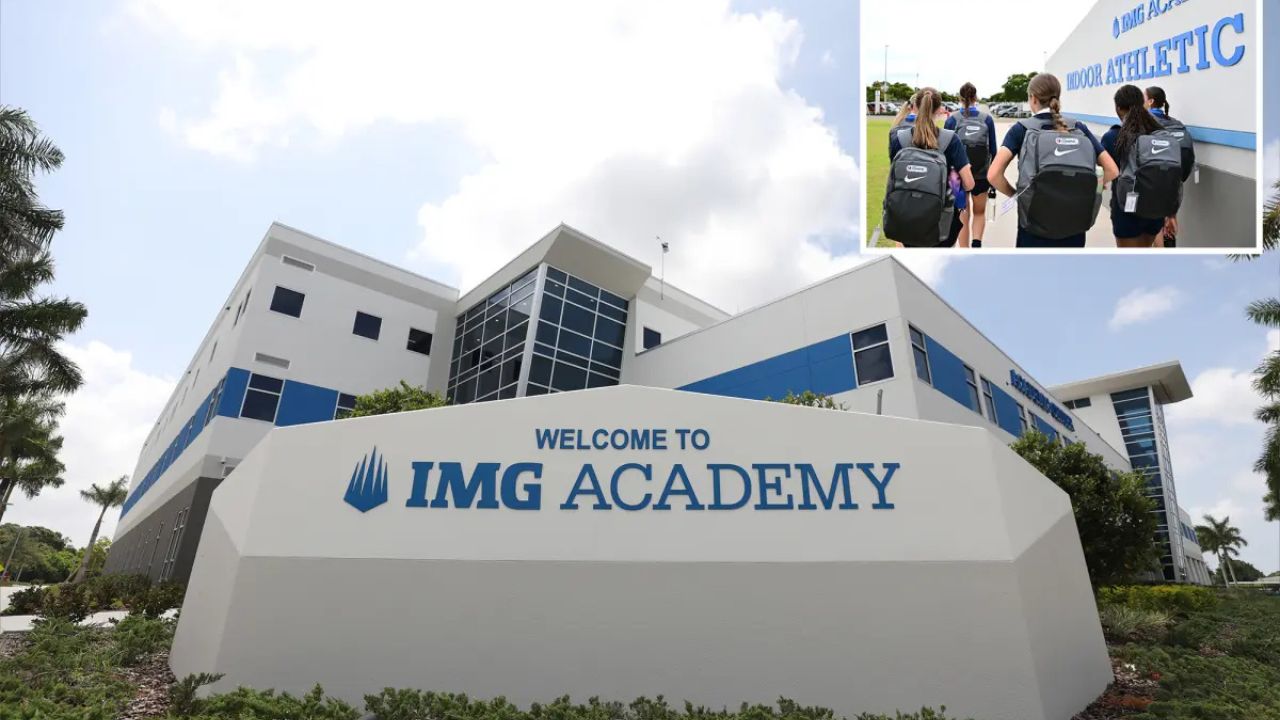
The settlement involves IMG Academy, the prestigious Bradenton-based prep school known for producing elite athletes across multiple sports.
Federal officials said the school committed 89 apparent violations of U.S. sanctions laws by accepting payments connected to individuals on the federal government’s sanctions list.

Treasury Department Details the Violations
According to the U.S. Department of the Treasury, IMG Academy received tuition payments for two student-athletes enrolled between 2018 and 2022.
The department’s Office of Foreign Assets Control (OFAC) determined that the tuition funds originated from two individuals designated as “Specially Designated Nationals” (SDNs) for providing money and services to sanctioned Mexican drug cartels.
Federal authorities did not name the students or specify which sports they participated in.
Officials said IMG accepted annual tuition payments of $98,867 for one student and $102,235 for the other, with funds wired from third-party individuals in Mexico.

Investigators said the transactions effectively allowed sanctioned individuals to move money through the U.S. financial system.
As a result, the academy faced 89 penalties for violating the Foreign Narcotics Kingpin Sanctions Regulations.
“IMG Academy demonstrated reckless disregard for U.S. sanctions requirements in committing the Apparent Violations, including by failing to conduct sanctions screening checks on its counterparties,” OFAC stated.
Officials emphasized that sanctions compliance requirements apply across sectors, not just to banks or financial institutions.
“This case highlights the pervasiveness of sanctions risk across a wide variety of sectors and institutions. Even for entities operating largely domestically, the presence of international touchpoints creates opportunities for impermissible dealings with sanctioned actors, inadvertently or otherwise.”

How the Violations Occurred
At the center of the case was the academy’s failure to conduct adequate sanctions screening against OFAC’s SDN list at the time tuition agreements were signed.
Federal officials said IMG did not have a formal OFAC sanctions compliance program in place between 2018 and 2022.
Although the academy later disclosed the violations to OFAC after discovering them internally, authorities noted that a federal investigation was already underway at the time of disclosure.
The settlement amount — $1.72 million — resolves the apparent violations through a civil agreement.
IMG Academy Responds
In a statement provided to media outlets, IMG Academy acknowledged the issue and said it has since strengthened its compliance measures.
“IMG Academy is committed to maintaining the highest standards of compliance and integrity in all aspects of our operations,” the school said.
The academy stated that it was unaware at the time that the individuals connected to the tuition payments were on OFAC’s SDN list.
“Between 2018 and 2022, IMG Academy did not have an OFAC sanctions compliance program in place and entered into tuition enrollment agreements and collected fees from two individuals who were unknowingly on OFAC’s SDN List.”
Read Also: UW-Oshkosh Student Dies in Ski Crash at Granite Peak, Second Fatality in Weeks
The school added that once it became aware of the individuals’ designation status, it voluntarily disclosed the matter and fully cooperated with federal authorities.
Officials confirmed that IMG has since implemented a comprehensive sanctions compliance program to prevent similar issues in the future.
A High-Profile Institution Under Scrutiny
IMG Academy is widely known for its elite sports training programs and boarding school model. The institution has publicly stated that more than 150 of its students have turned professional in the past decade, making it one of the most prominent athletic development academies in the country.
Federal officials say the case underscores how sanctions enforcement extends beyond traditional financial institutions and can impact educational organizations that handle international transactions.
While the settlement closes the civil penalties portion of the matter, it serves as a reminder that organizations engaging in cross-border financial dealings must maintain strict compliance systems.
What do you think about how private schools and academies screen international tuition payments? Should stricter compliance rules apply across the board? Share your thoughts in the comments below.