
 by
by Florida agriculture and health officials are sounding the alarm as a long-eradicated livestock threat — the New World Screwworm (NWS) — begins to move closer to the U.S. southern border.
In a recent announcement, the Florida Department of Agriculture and Consumer Services confirmed that the parasite is spreading through Mexico, increasing the risk of reintroduction into the United States. Though no cases have yet been reported on U.S. soil, the U.S. Department of Agriculture (USDA) has taken preemptive action by closing livestock trade at southern border ports.
What is the New World Screwworm?
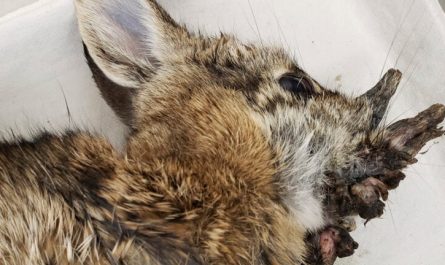
- The NWS is a destructive parasitic maggot that feeds on the living tissue of warm-blooded animals.
- It enters the host through open wounds, laying eggs in a “shingle-like” pattern around the wound’s edges.
- The larvae burrow into the wound in a screw-like motion, hence the name “screwworm.”
- If left untreated, infestations can be fatal to livestock, wildlife, and even domestic pets.
Historical Background
- The parasite was eradicated from the U.S. over 40 years ago, thanks to a multi-year government initiative.
- It was first identified as a major issue in 1933, leading to millions in annual agricultural losses.
- In response, the U.S. and Mexico implemented education programs, insecticides, and sterile insect techniques to control its spread.
- By 1986, the joint effort successfully pushed infestations to southern Mexico.
- A brief resurgence occurred in the Florida Keys in 2016, affecting endangered Key deer, but was quickly contained.
Why Florida Is at Risk
- Florida’s warm climate and large animal population make it particularly vulnerable to a reintroduction.
- Since 2023, screwworm infestations have reportedly spread northward from Panama, prompting increased concern.
- State officials describe the parasite’s return as a serious threat to agriculture, wildlife, and public health.
USDA Response
- In response to the growing risk, the USDA has temporarily halted livestock trade at U.S. southern ports.
- Officials are working closely with Mexican authorities to monitor the movement and prevent cross-border outbreaks.
Warning Signs of Screwworm Infestation in Animals
Health experts urge livestock owners and pet owners to remain vigilant. Symptoms of a possible infestation include:

- Maggot-infested wounds on living animals
- Blood-tinged discharge from wounds
- Foul odor coming from infected areas
- Discomfort or signs of pain
- Depression, reduced appetite
- Decreased milk production in livestock
- Isolation from the herd or flock
What Residents Can Do
- Report any suspicious wounds or symptoms in animals to local veterinarians or agricultural authorities.
- Avoid transporting animals from affected regions without veterinary clearance.
- Ensure open wounds are cleaned and monitored closely.
While the U.S. has not yet reported any current cases, officials emphasize that prevention and early detection are key to keeping the screwworm out of Florida and the rest of the country.