 by
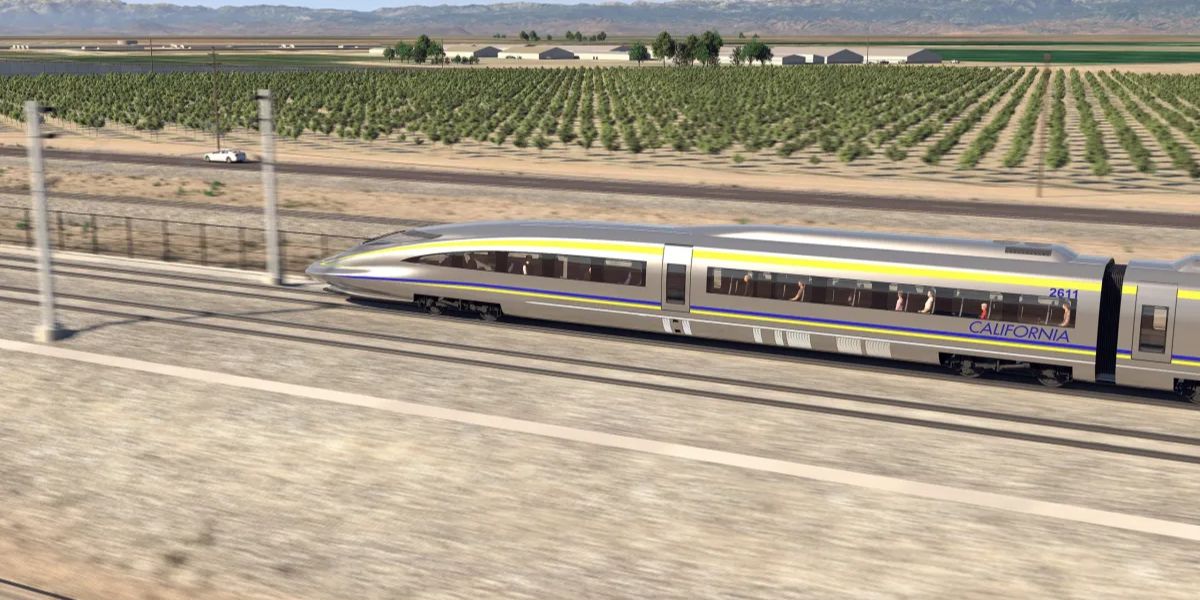
by The California High-Speed Rail Authority has revealed a new financial strategy to salvage the long-delayed and over-budget rail project, with recently appointed CEO proposing a mix of $1 billion in annual state funding and private investment to keep the project on track.
Choudri, who assumed leadership of the project in August, presented the plan during the American Public Transportation Association conference in San Francisco, as reported by the San Francisco Chronicle. He emphasized the need for public-private partnerships (PPPs) as the key to pushing the project toward completion.
Why It Matters

- The California High-Speed Rail has been plagued by soaring costs, construction delays, and political opposition.
- The federal government, including former President Donald Trump and Transportation Secretary Sean Duffy, has expressed skepticism over the project’s feasibility.
- Despite ongoing construction in the Central Valley, the project remains far from linking its originally proposed route from San Francisco to Los Angeles.
What To Know
- Choudri’s plan involves tapping into the state’s climate emissions program, which typically funds clean energy, public transit, and electric vehicles, to secure $1 billion annually.
- The stable state backing is meant to attract private equity partners who can help cover the remaining costs.
- Industry experts believe the rail’s rights-of-way and ticketing potential present opportunities for private investors.
Key Stakeholder Perspectives
- Sia Kusha, SVP at infrastructure investment firm Plenary Americas:
“There are significant ways to monetize and commercialize long linear rights-of-way.” - Dan Richard, former U.S. High-Speed Rail Association chair:
“There’s always been a desire to have the private sector involved at the right time, when the risk is understood.”
Richard also floated the idea of auctioning operational rights for the Central Valley line, similar to Japan’s Shinkansen privatization model.
Current Project Status
- Construction continues in the Central Valley, with recent completions of grade separations at Fargo Avenue and Whitley Avenue in Kings County, and at Belmont Avenue and Central Avenue in Fresno County.
- The Authority reports more than 15,300 construction jobs created, most held by Central Valley residents.
- Approximately 1,700 workers are currently active at rail construction sites each day.
What Happens Next

- The proposed financial structure must gain traction among state lawmakers and potential private partners.
- Additional announcements are expected as Choudri builds support and clarifies long-term funding timelines.
The next phase of California’s high-speed rail development will hinge not just on engineering or environmental approvals, but on whether public-private cooperation can fill the growing financial gap.