
 by
by Nashville, TN – Restaurant closures are becoming increasingly common across the United States, but the latest wave involves some of the nation’s most recognizable fast-food brands. Rising operating costs, shifting consumer habits, and ongoing franchise struggles have forced many quick-service chains to shrink their footprint, including Wendy’s, Burger King, Arby’s, and now Hardee’s and Carl’s Jr.
Wendy’s confirmed plans to close roughly 300 restaurants from late 2025 through 2026. Burger King has shuttered locations following a major franchise bankruptcy, and Arby’s has closed at least 14 stores in the past year. Now, sister brands Hardee’s and Carl’s Jr. are facing an accelerated downturn driven largely by franchise instability.
Hardee’s and Carl’s Jr. closures accelerate
CKE Restaurants, the parent company of Hardee’s and Carl’s Jr., oversees more than 3,800 locations across 44 states. Yet closures have mounted quickly.

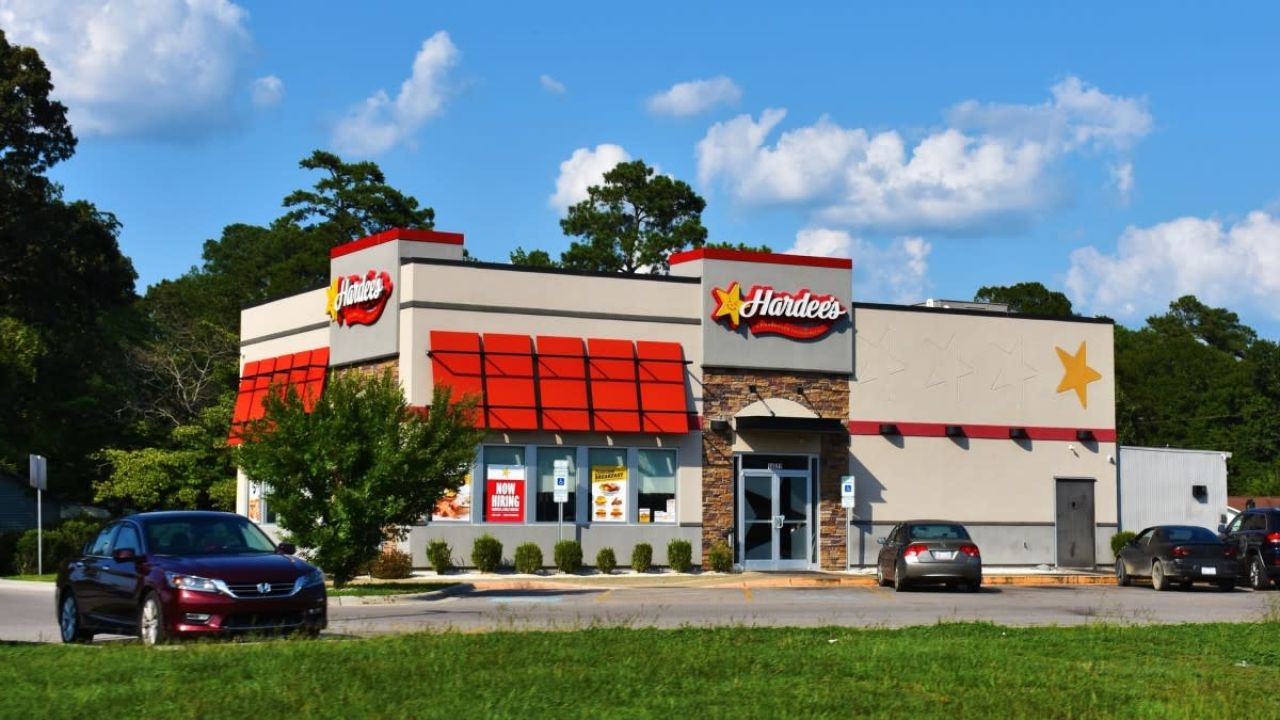
Hardee’s has already shut down dozens of restaurants in recent years, including nearly 40 locations in 2023 after former franchisee Summit Restaurants Holdings collapsed. Additional closures have hit Illinois and multiple states throughout 2025.
Carl’s Jr. is facing similar issues, with more than 20 international locations closing last year and several U.S. stores shutting recently, including a Georgetown, Texas location.
These closures signal deeper financial stress within the franchise system.
Hardee’s lawsuit reveals major franchisee debt
A newly filed lawsuit indicates the strain between the chain and one of its largest operators.

Hardee’s has taken legal action in the U.S. District Court for the Middle District of Tennessee against ARC Burger, which controls 77 locations across Alabama, Georgia, Florida, Illinois, Kansas, Missouri, Montana, South Carolina, and Wyoming.
The chain alleges ARC Burger has not met payment obligations since December 2024, with unpaid amounts now exceeding 6.5 million dollars. The lawsuit claims overdue royalties, advertising fees, technology costs, rent across 28 units, taxes, and accumulated interest remain unresolved.
Hardee’s also says ARC Burger failed to fulfill payments required under a management consulting agreement with its parent company, High Bluff Capital Partners. The operator is supposed to pay either one million dollars annually or five percent of EBITDA.
In the lawsuit, Hardee’s states:
“ARC has failed and refused to remain current on its ongoing payment and other obligations to HR, despite all signs showing that ARC is profitably running the restaurants.”
ARC Burger previously acquired 80 Hardee’s units in 2023 for 16.5 million dollars after another franchisee filed for bankruptcy. Although Hardee’s terminated ARC’s franchise agreement in September 2025, the operator was allowed to keep running the restaurants while both sides searched for a buyer. According to the lawsuit, payments still remained overdue.

A pattern of franchise disputes
This legal battle echoes other recent conflicts involving Hardee’s.
Earlier this year, long-time franchise operator Paradigm Investment Group filed a lawsuit accusing Hardee’s of imposing new requirements that it claims were not part of its original agreement. Hardee’s countersued, seeking to terminate Paradigm’s franchise rights.
The disputes highlight growing strain in the chain’s franchise model at a time when operating costs continue rising.
The risks behind running a U.S. franchise
Even well-known brands cannot guarantee long-term stability. Data from the Bureau of Labor Statistics shows about 17 percent of new restaurants close within their first year. Roughly half shut down within five years, and only one-third survive beyond a decade.
In 2024, the U.S. had more than 821,589 franchise establishments. Veterans own about 14 percent, contributing over 41 billion dollars to the national economy.
Yet franchising involves challenges that differ from corporate-owned operations. According to reporting in The Washington Post:
“Labor experts say that franchised chains have higher rates of violations than corporate-run chains because they are less invested in preserving a brand’s reputation… They are also under pressure to keep labor costs low to make up for steep operating costs, especially franchise fees.”
This pressure has intensified as fast-food prices surged between 2014 and 2024. Menu costs jumped 39 to 100 percent nationwide, far outpacing overall inflation. Brands such as Wendy’s, Arby’s, and Burger King raised prices by nearly 55 percent during that period.
Consumers are responding by pulling back on discretionary spending, especially dining out. As Harvard Business School consultant Michael S. Kaufman told Investopedia:
“Consumers are saying, ‘We’re struggling, or we’re beginning to struggle or we’re thinking more carefully about what we spend.’ I don’t know that the ability to maintain the large fleets of traditional casual dining restaurants can continue.”
What this means for the fast-food landscape
If closures continue at the current pace, many communities may see fewer Hardee’s and Carl’s Jr. locations in the coming years. Franchise instability, rising inflation, higher operational costs, and shifting customer preferences are all shaping a new era for the fast-food industry.
Share your thoughts in the comments below.