
 by
by United States — Skywatchers in the U.S.A. and across the world are in for a breathtaking celestial treat this week as Venus rises alongside the Eta Aquariid meteor shower, creating a rare and dazzling pre-dawn display.
A Stunning Cosmic Pairing Before Sunrise
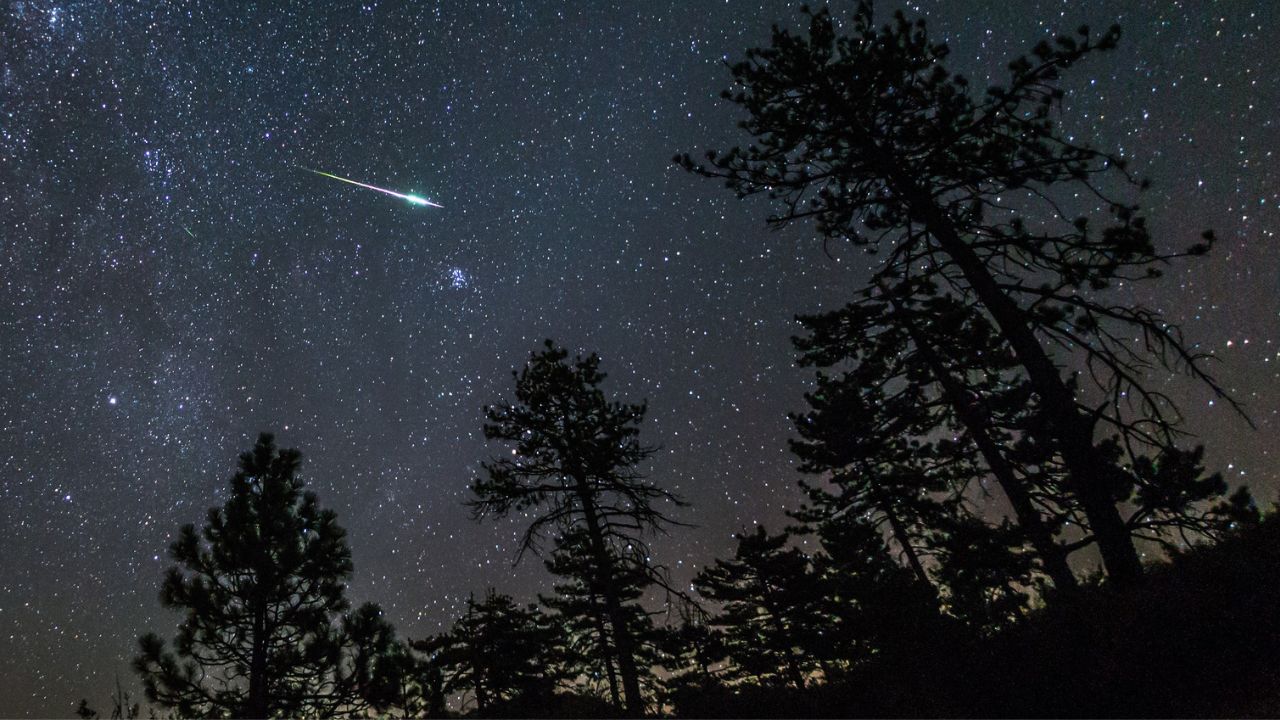
As Earth moves through debris left behind by Halley’s Comet, the Eta Aquariid meteor shower lights up the sky with fast-moving streaks of light. At the same time, Venus, often called the “morning star,” will shine brilliantly in the eastern sky.
This unique overlap makes early mornings this week especially rewarding for anyone willing to step outside before sunrise.

“Meteors come from leftover comet particles and bits from broken asteroids,” according to NASA. “When comets come around the sun, they leave a dusty trail behind them.”
When the Meteor Shower Peaks
The best time to watch the meteor shower is during its peak window between Tuesday, May 5, and Wednesday, May 6, 2026.
Meteor activity is strongest in the pre-dawn hours, typically between 2 a.m. and sunrise, when the radiant point climbs higher in the sky.
During this peak, observers may see up to 50 meteors per hour, with some traveling at speeds of nearly 148,000 mph, leaving glowing trails that linger for a few seconds.

Venus Will Steal the Show Too
Adding to the spectacle, Venus will be clearly visible from May 4 to May 8, rising about 1 to 2 hours before sunrise.
It will appear as the brightest object in the sky after the moon, shining low on the eastern horizon even as the sky begins to brighten.
This makes Venus an easy reference point for viewers trying to orient themselves while watching the meteor shower.
Where to Look in the Sky
The meteors will appear to radiate from the constellation Aquarius, which rises in the eastern sky during the early morning hours.
However, experts emphasize that you don’t need to look directly at Aquarius.

Instead, the American Meteor Society suggests scanning the entire sky, as meteors can streak across any direction.
Venus, on the other hand, will remain fixed and bright in the eastern horizon, making it easy to spot even for beginners.
How to Watch the Event
To get the best experience, head outside 1 to 2 hours before sunrise and choose a location with a clear, unobstructed view of the eastern sky.
Give your eyes at least 20 minutes to adjust to the darkness, and avoid looking at your phone or any bright lights during that time.
No telescope or special equipment is required—meteors are best seen with the naked eye.
Let your gaze move naturally across the sky instead of focusing on one point. While Venus will shine steadily, the Eta Aquariids will appear slightly away from it, creating a beautiful contrast between a fixed bright planet and fast-moving shooting stars.
A Must-Watch Sky Event
This week’s alignment offers a rare chance to witness both a bright planetary display and a meteor shower at the same time.
Whether you’re an experienced stargazer or just curious, this event is simple to enjoy and doesn’t require any special gear—just a bit of early rising and clear skies.
What do you think about this stunning sky event? Will you be waking up early to catch it? Share your thoughts in the comments below.