 by
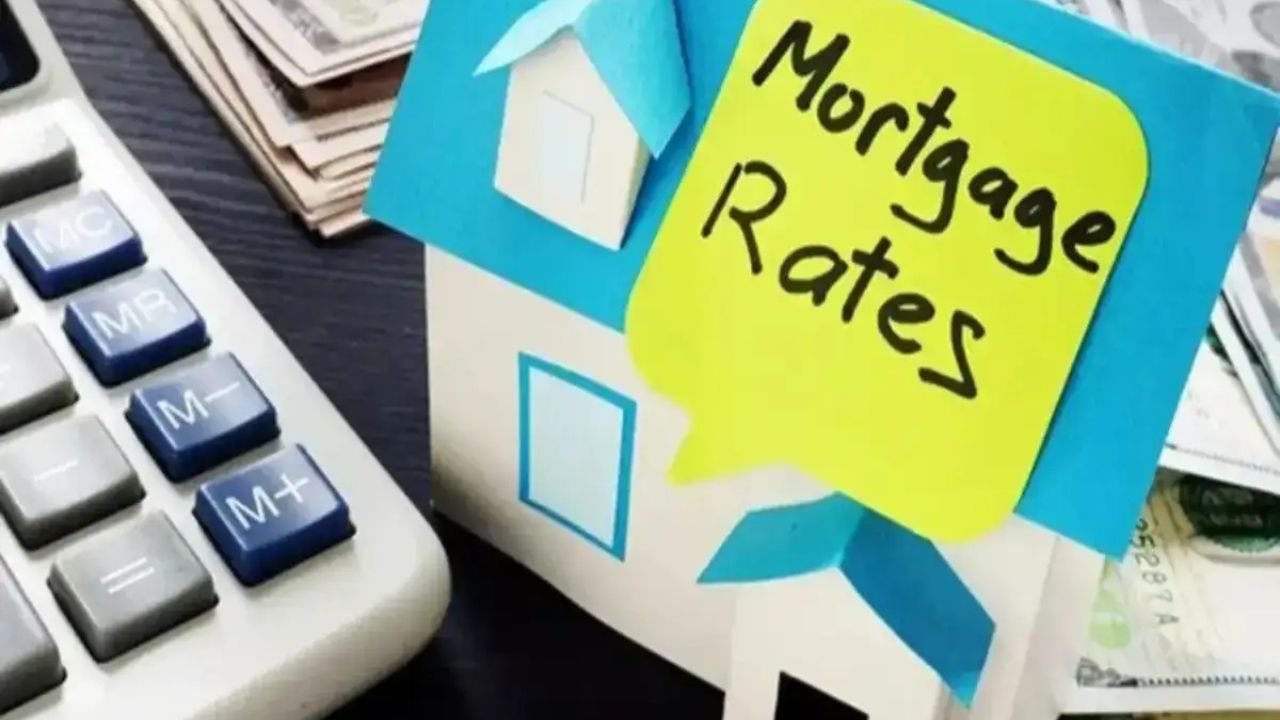
by U.S.A.: Buying a home has never been cheap, but in 2026, rising mortgage rates are making the process even more challenging. After a brief period of relief, borrowing costs are climbing again—and even small increases can significantly impact your monthly payment.
If you’re planning to buy soon, understanding what’s happening now can help you make smarter, more confident decisions.
Why Mortgage Rates Are Rising
Mortgage rates don’t move randomly—they respond to broader economic conditions.

Key factors pushing rates higher include:
- Persistent inflation
- Strong job market data
- Global economic uncertainty
The Federal Reserve is also expected to hold off on cutting interest rates, which means borrowing costs may remain elevated for now.
“Higher rates may stick around longer than many buyers expected.”
Timing Matters More Than Ever
In a shifting market, timing can directly affect how much you pay over the life of your loan.

- Waiting could mean locking in a higher rate
- Rushing could lead to poor decisions
Finding the right balance between preparation and action is critical.
Waiting Could Cost You
Many buyers are tempted to sit back and wait for rates to drop—but that strategy can backfire.
- Rates could continue rising
- Home prices may remain high
- Competition could increase
Staying active in the market gives you a better chance to act when opportunities arise.
Shop Around—It Makes a Big Difference
Not all lenders offer the same rates, even in the same market.
- Compare multiple lenders
- Look beyond the first offer
- Check fees and terms carefully
“Some buyers save thousands just by comparing options.”

Different Lenders, Different Deals
Each lender reacts differently to market changes.
- Some may offer better rates
- Others may provide flexible terms
- Special programs may be available
Exploring options can help you secure a more affordable mortgage.
Consider Adjustable-Rate Mortgages (ARMs)
Adjustable-rate mortgages (ARMs) can be attractive in a high-rate environment.
- Lower starting interest rate
- Potential savings early on
However:
- Rates can increase later
- Monthly payments may rise
This option works best for buyers who don’t plan to stay long-term.
Buying Down Your Rate
You can lower your interest rate by paying mortgage points upfront.
- Higher upfront cost
- Lower monthly payments over time
This strategy can pay off if you plan to stay in the home for several years.
Look Beyond the 30-Year Loan
Most buyers default to 30-year mortgages, but other terms may offer advantages.
- 20-year loans often have lower rates
- Shorter terms mean less total interest
The trade-off is higher monthly payments, so it’s important to evaluate your budget.
Lock Your Rate Early
In a rising-rate environment, locking your rate can protect you.
- Secures your interest rate during the process
- Shields you from sudden increases
Even if rates climb later, your locked rate stays the same.
Rates Can Change Quickly
Mortgage rates have shown how fast they can move.
- Noticeable increases can happen within weeks
- Market shifts don’t always come with warning
Staying informed helps you act at the right time.
Talk Directly With Lenders
Online tools are helpful—but direct conversations can offer more insight.
- Ask about special programs
- Explore local incentives
- Negotiate better terms
Building a relationship with a lender can make the process smoother.
Read Also: Arkansas Residents Are Packing Up in 2026—These 12 Problems Keep Coming Up
Smart Strategies Still Make Buying Possible
Rising mortgage rates don’t mean homeownership is out of reach.
With the right approach, you can still manage costs:
- Compare lenders
- Explore different loan types
- Lock rates strategically
“A well-informed buyer has the biggest advantage in a high-rate market.”
What This Means for Buyers in 2026
The housing market is changing, but opportunities still exist for those who stay prepared and flexible.
Taking the time to understand your options now can help you avoid costly mistakes later—and make a decision you feel confident about.
How are rising mortgage rates affecting your homebuying plans? Share your thoughts in the comments!