
 by
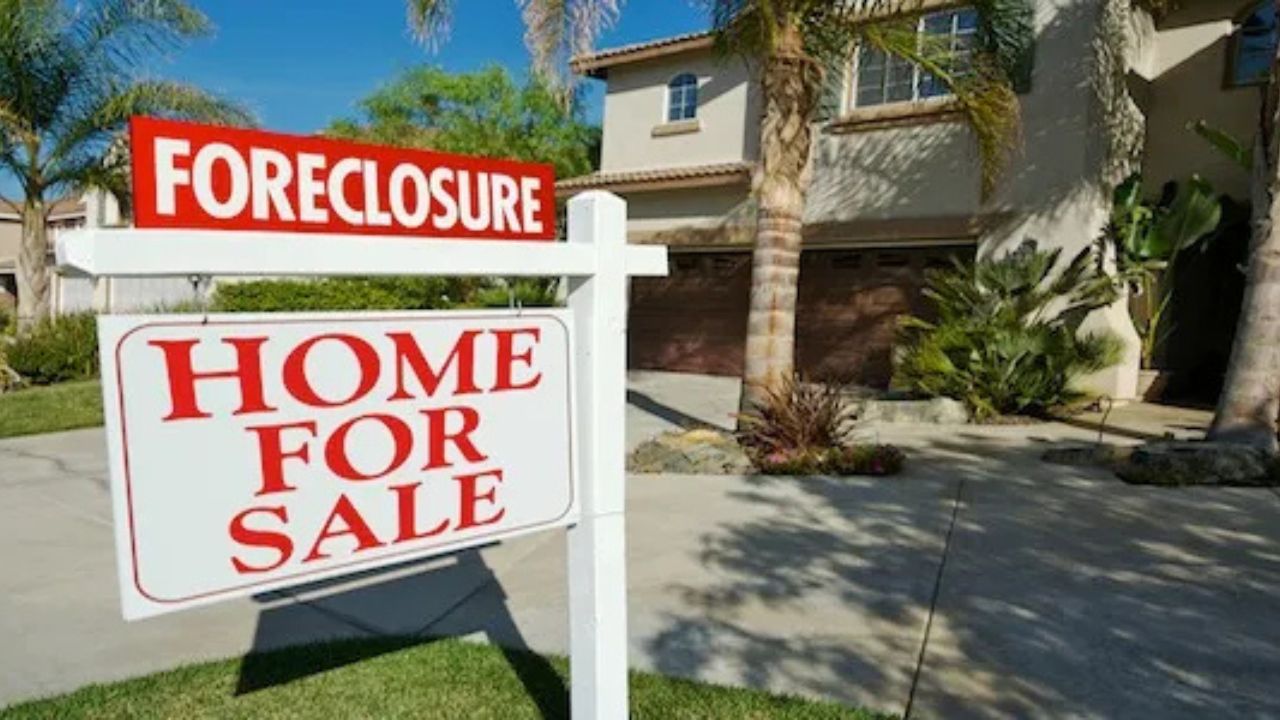
by Connecticut, USA: Homeowners across the state are getting a major legal safeguard in 2026 as a new law places a strict 10-year limit on certain mortgage foreclosures, aiming to stop long-dormant debts from resurfacing years later.
Signed by Ned Lamont in June 2025, Public Act 25-46 officially took effect on January 1, 2026—marking a significant shift in how foreclosure timelines are handled.
A Major Change to Foreclosure Rules
For the first time, Connecticut now enforces a 10-year statute of limitations on foreclosing certain residential mortgages.

The law applies to:
- Owner-occupied homes
- Properties with one to four units
Previously, there was no time limit at all, allowing lenders or debt buyers to pursue foreclosure even decades later.
“This closes the door on cases that used to linger indefinitely.”
How the 10-Year Clock Works
Under the new law, lenders must act within a defined timeframe.

The 10-year period begins from:
- The mortgage’s last scheduled payment date, or
- The last actual payment made by the borrower
(whichever comes first)
Once that period expires:
- Foreclosure action is no longer allowed
- The only extension requires written agreement from both borrower and lender
The Rise of ‘Zombie Mortgages’
The law specifically targets what are often called “zombie mortgages.”

- Old second mortgages
- Loans borrowers believed were settled, forgiven, or forgotten
Years later, debt collectors may reappear demanding payment—often with added:
- Interest
- Fees
- Penalties
The Consumer Financial Protection Bureau has received numerous complaints about these practices.
Read Also: Arkansas Residents Are Packing Up in 2026—These 12 Problems Keep Coming Up
Roots in the 2008 Housing Crisis
Many of these debts trace back to the 2008 financial crisis.
Before the crash:
- Lenders issued “80/20” piggyback loans
- One loan covered 80% of the home’s value
- A second mortgage covered the remaining 20%
When housing prices collapsed, many lenders:
- Stopped collecting on second mortgages
- Sold those debts to third-party buyers
Why These Debts Are Resurfacing Now
Rising home values have made old debts valuable again.
- Increased equity has attracted debt buyers
- Homeowners are being contacted years later
- Some face foreclosure threats over long-forgotten loans
Investigations have shown thousands of such cases emerging in nearby states like New York.
Who the Law Protects—and Who It Doesn’t
The new protections mainly target third-party debt buyers.
However, there are exceptions:
- First-lien mortgages recorded before 2026 are exempt
- Some second mortgages held by original lenders may still qualify
The law also reduces the time for unreleased mortgage liens to expire on land records from 20 years to 10 years.
Strong Bipartisan Support
The legislation passed with overwhelming approval:
- Senate: 35–1
- House: 140–6
It was introduced by Pat Billie Miller and supported by Eric Berthel after cases of unexpected mortgage claims affected residents.
Federal Oversight Has Weakened
At the federal level, enforcement has become less active.
The Consumer Financial Protection Bureau had been investigating these practices, but efforts slowed in 2025 amid policy changes.
A court has required the agency to remain funded into 2026, but its enforcement reach is currently limited.
What Homeowners Should Do Now
If you previously had a second mortgage, experts recommend taking proactive steps:
- Check property records for any remaining liens
- Request debt validation if contacted by a collector
- Consult a housing counselor or attorney before taking action
“A surprise notice doesn’t mean you owe—but it does mean you should verify.”
A New Layer of Protection
With federal oversight uncertain, Connecticut’s new law gives homeowners clearer protection against decades-old financial claims.
By placing a firm deadline on foreclosure actions, the state is aiming to prevent long-dormant debts from disrupting homeowners’ lives years after they thought those issues were resolved.
Have you ever dealt with an unexpected financial claim or old debt resurfacing? Share your experience respectfully in the comments.