 by
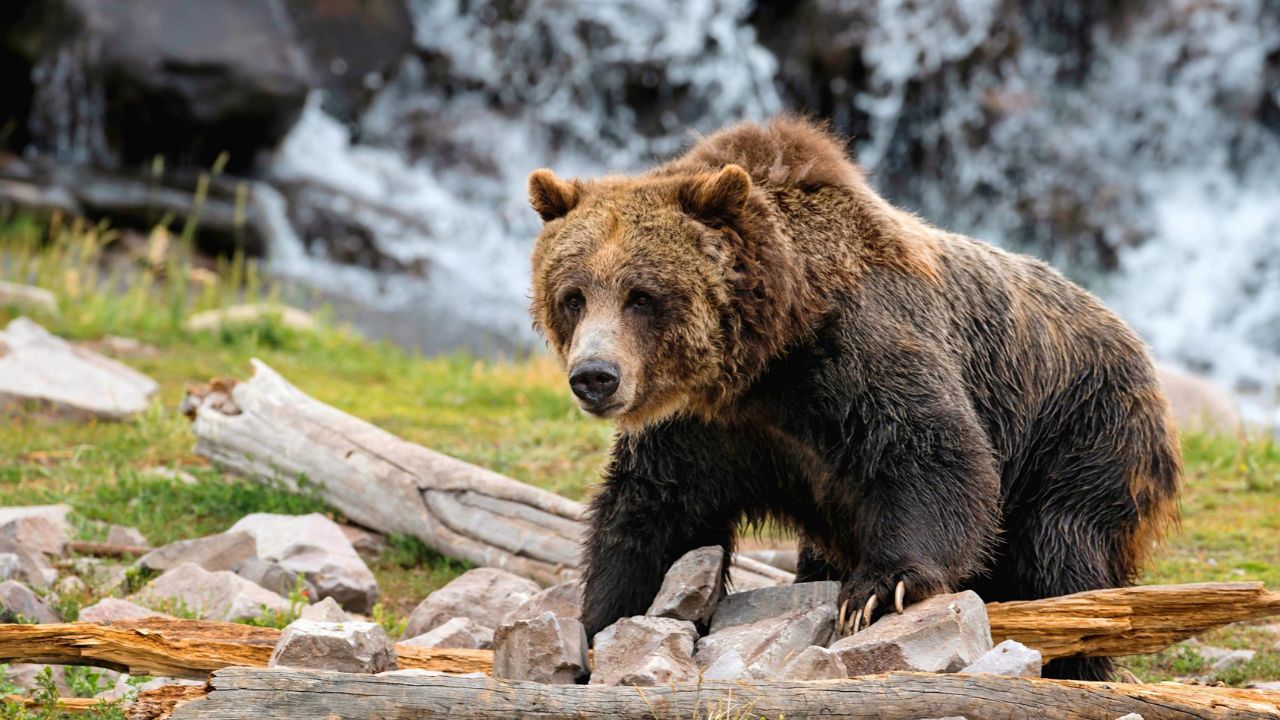
by Yellowstone National Park, Wyoming: Visitors heading into Yellowstone National Park this spring are being urged to stay alert as grizzly bears have officially emerged from hibernation. Park biologists confirmed the first sighting of 2026 on March 9, when a grizzly was spotted feeding on a bull bison carcass in the park’s northern backcountry.
The sighting, announced by the National Park Service the following day, marks the start of bear season in Yellowstone, signaling that wildlife activity is increasing and safety precautions are now essential for all visitors.
First Grizzly Sighting Follows Seasonal Pattern
The March 9 sighting aligns closely with recent years, reflecting the natural cycle of bear activity in early spring.

Recent first sightings include:
- 2025: March 14
- 2024: March 3
- 2023 & 2022: March 7
Biologists note that adult male grizzlies are typically the first to emerge, as rising temperatures signal the end of winter dormancy.
Hungry Bears Begin Feeding Immediately
After months in hibernation, grizzly bears emerge extremely hungry and begin searching for food right away. In early spring, one of the most accessible food sources is carcasses of animals like elk and bison that did not survive the winter.
The bear spotted on March 9 was observed feeding on a bison carcass — a common behavior this time of year.

However, experts warn that bears guarding food can be especially dangerous. If they feel threatened, they may react aggressively and charge with little warning.
Female Bears and Cubs Emerge Later
While male bears appear first, females with cubs typically leave their dens later, usually in April or early May.
During winter, bears enter a state known as torpor, relying on stored fat reserves to survive months without eating. These reserves can make up a significant portion of their body weight before hibernation begins.
Yellowstone Is Home to Over 1,000 Grizzlies
The Greater Yellowstone Ecosystem, which spans parts of Wyoming, Montana, and Idaho, is one of the largest intact ecosystems in the United States.
According to the USGS Interagency Grizzly Bear Study Team, approximately 1,030 grizzly bears live within the core monitoring area, with additional bears occupying surrounding regions.

Yellowstone is also one of the few places in the lower 48 states where both grizzly bears and black bears coexist.
Bear Population Has Recovered Over Decades
Grizzly bears were listed as threatened under the Endangered Species Act in 1975, when the Yellowstone population had dropped to an estimated 136 bears.
Conservation efforts over the decades have led to a significant recovery. Today, the species remains listed as threatened, with ongoing discussions about future management by the U.S. Fish and Wildlife Service.
Bear Encounters Can Happen Anywhere
Park officials stress that every part of Yellowstone is bear habitat — not just remote backcountry areas.
Bears have been seen:
- Near boardwalks
- Around parking lots
- Close to popular attractions like Old Faithful
Visitors should remain cautious from the moment they enter the park.
Follow the 100-Yard Safety Rule
The National Park Service requires visitors to stay at least 100 yards (about a football field) away from both grizzly and black bears.
Getting closer is not only dangerous but also violates park regulations. Visitors are encouraged to use binoculars or zoom lenses for safe viewing.
Bear Spray Is the Recommended Safety Tool
Park officials strongly recommend carrying bear spray, which has proven effective in stopping aggressive bear behavior.
Important safety tips include:
- Each person should carry their own canister
- Keep it easily accessible — not inside a backpack
- Know how to use it before heading out
While firearms are allowed in the park, discharging them is illegal, making bear spray the preferred defense tool.
Smart Habits Can Prevent Dangerous Encounters
Visitors can reduce the risk of encounters by following simple precautions:
- Travel in groups of three or more
- Stay on marked trails
- Make noise while hiking
- Avoid early morning, evening, and nighttime outings
If you encounter a bear, do not run — running can trigger a chase response.
Proper Food Storage Protects Everyone
Food safety is critical in bear country. Visitors should:
- Store food and trash in bear-proof containers or vehicles
- Never leave food unattended
- Clean up thoroughly after meals
Any bear sightings or encounters should be reported to park rangers immediately.
Officials warn that bears that become used to human food can turn aggressive — and in some cases, may have to be euthanized.
Visitors Urged to Stay Alert This Season
With bear activity increasing across Yellowstone, officials are reminding visitors that awareness and preparation are key to staying safe.
As spring temperatures rise and more bears emerge, following park guidelines can help ensure a safe experience for both visitors and wildlife.
Have you ever encountered wildlife in Yellowstone or another national park? Share your experience and safety tips in the comments below.