 by
by Iowa – Starting January 1, 2026, Iowa began enforcing some of the strictest SNAP food purchase restrictions in the United States, limiting what recipients can buy with their benefits.
The new rules prohibit SNAP recipients from purchasing any food or drink that is subject to Iowa’s state sales tax, creating a much broader list of banned items than in most other states.
Around 260,000 Iowans rely on the Supplemental Nutrition Assistance Program (SNAP) to help feed their families, and the changes are already reshaping how many households shop for groceries.

Iowa’s Policy Ties SNAP Purchases to Sales Tax Rules
Unlike other states that have created specific lists of restricted products, Iowa decided to connect its SNAP restrictions directly to its state sales tax code.
Under this approach:
- If an item is taxed in Iowa, SNAP benefits cannot be used to purchase it.
- If an item is tax-exempt, it remains eligible for SNAP purchases.
This decision means the list of restricted items is much broader and sometimes confusing, because tax classifications vary depending on ingredients, packaging, or how the product is sold.
Several states began enforcing SNAP purchase restrictions at the start of 2026, with 13 additional states expected to introduce similar policies later this year, but Iowa’s tax-based approach is considered one of the most expansive.

Common Items That SNAP Can No Longer Buy
The restrictions affect a wide range of snack and beverage products that many shoppers previously purchased with SNAP benefits.
Examples of banned items include:
- Soda, including diet or zero-sugar versions
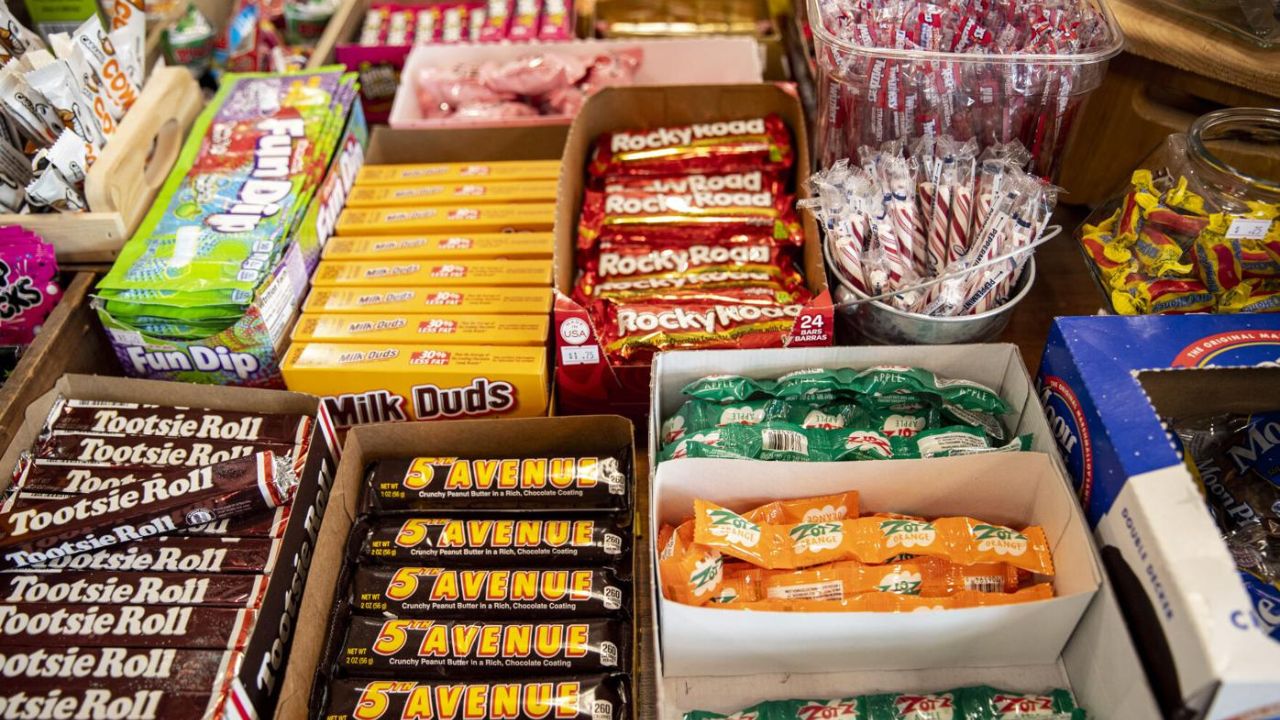
- Candy such as chocolate bars, gummies, and marshmallows
- Sweetened drinks with 50% or less real juice (like fruit punch or lemonade)
- Sweetened bottled water
- Powdered drink mixes and beverage concentrates
- Chewing gum
- Fruit leathers and some snack bars
Because the restrictions rely on the sales tax code, some prepared foods may also become ineligible depending on how they are packaged or sold in stores.
Staple Foods Remain Eligible
Despite the new restrictions, most essential grocery items remain covered under SNAP.
Eligible foods still include:

- Bread, milk, eggs, meat, poultry, and fish
- Fresh, frozen, or canned fruits and vegetables
- Rice, pasta, beans, and grains
- Dairy products such as cheese, yogurt, and butter
- Frozen meals, including frozen pizza
- Cake mixes and baking ingredients
Additionally, seeds and plants used to grow food remain eligible purchases, even though they are technically taxed under Iowa law.
The “Flour Rule” Creates Confusing Exceptions
One unusual result of Iowa’s tax-based policy involves products that contain flour.
Under Iowa tax rules:
- Candy with flour in the ingredients is not taxed, making it eligible for SNAP.
- Candy without flour is taxed, meaning SNAP cannot be used to buy it.
This rule creates situations where two similar products may have different eligibility depending on their ingredients.
Other confusing examples include:
- A fruit cup from the produce section qualifies, but the same fruit packaged with a spoon may not.
- A cold deli sandwich might qualify or be restricted depending on whether the store offers seating or microwaves.
Iowa officials have acknowledged that creating a complete list of restricted items has been difficult due to these complexities.
State Officials Say the Policy Supports Health Goals
Iowa Governor Kim Reynolds said the restrictions are intended to promote healthier food choices and improve long-term health outcomes.
State officials have cited concerns about rising health issues, including:
- Adult obesity rates of about 37% in Iowa
- Childhood obesity affecting roughly 17% of children ages 6–17
The policy was approved by the U.S. Department of Agriculture (USDA) under a waiver linked to the “Make America Healthy Again” initiative.
The Iowa Grocery Industry Association said tying SNAP rules to the sales tax code may actually simplify compliance for retailers compared to maintaining long lists of banned products.
Critics Say the Policy Doesn’t Address Food Costs
Anti-hunger advocates argue that the restrictions do little to solve the real issue: the cost of healthy food.
Read Also: 12 Sayings You’ll Only Hear in Connecticut — And What They Really Mean
Organizations such as the Food Research and Action Center say research shows SNAP recipients generally eat similar diets to other low-income households without SNAP.
Advocates also point out that:
- 61% of SNAP recipients say affordability is the main barrier to healthier eating.
- Restrictions could create stigma or embarrassment at grocery checkout lines.
The Iowa Hunger Coalition has warned that the rules may add confusion for both shoppers and retailers.
Border Communities Could See SNAP Spending Move Elsewhere
Another concern involves Iowa counties located near state borders.
Approximately 88,000 SNAP recipients live in border counties, accounting for about one-third of all SNAP users in the state.
These households receive about $15 million in SNAP benefits each month, which generates an estimated $23 million in economic activity in local communities.
Advocates worry that shoppers may simply cross state lines to purchase restricted items, potentially shifting millions of dollars in grocery spending out of Iowa.
Retailers Face New Costs and System Changes
Grocery stores are responsible for implementing the new rules, which may require updates to checkout systems and employee training.
A national analysis estimates that SNAP restrictions could cost U.S. retailers about $1.6 billion in upfront expenses and roughly $759 million annually in ongoing compliance costs.
Small and rural stores may face the biggest challenges because they often have fewer resources to update technology or manage complex tax classifications.
In Iowa, about 3,000 retailers accept SNAP benefits, but advocacy groups say some smaller stores could drop out of the program if compliance becomes too costly.
What do you think about Iowa’s new SNAP restrictions? Share your thoughts respectfully in the comments below.