
 by
by Los Angeles, CA – California is suing the Trump administration over a federal decision that shifted control of two in-state oil pipelines away from state regulators and cleared the way for Sable Offshore Corp. to restart pumping oil through them. Attorney General Rob Bonta announced the lawsuit Friday during a news conference at a Los Angeles beach, arguing the move puts the state’s coastline and coastal economy at risk.
The case was filed in the U.S. Court of Appeals for the Ninth Circuit, setting up a major legal fight over environmental oversight, public safety, and the balance of power between state and federal agencies.
Incident Overview
Standing with the Pacific Ocean behind him, Bonta framed the lawsuit as a direct response to what he described as unnecessary and dangerous federal intervention in California’s pipeline safety system.

“I brought you here so you can see first hand what Trump and the federal Pipeline and Hazardous Material Safety Administration are putting at risk,” Bonta told reporters.
Bonta emphasized the importance of California’s coastline not only as an environmental resource, but also as a critical economic engine tied to tourism, recreation, and local businesses that depend on clean beaches and public trust in coastal safety.
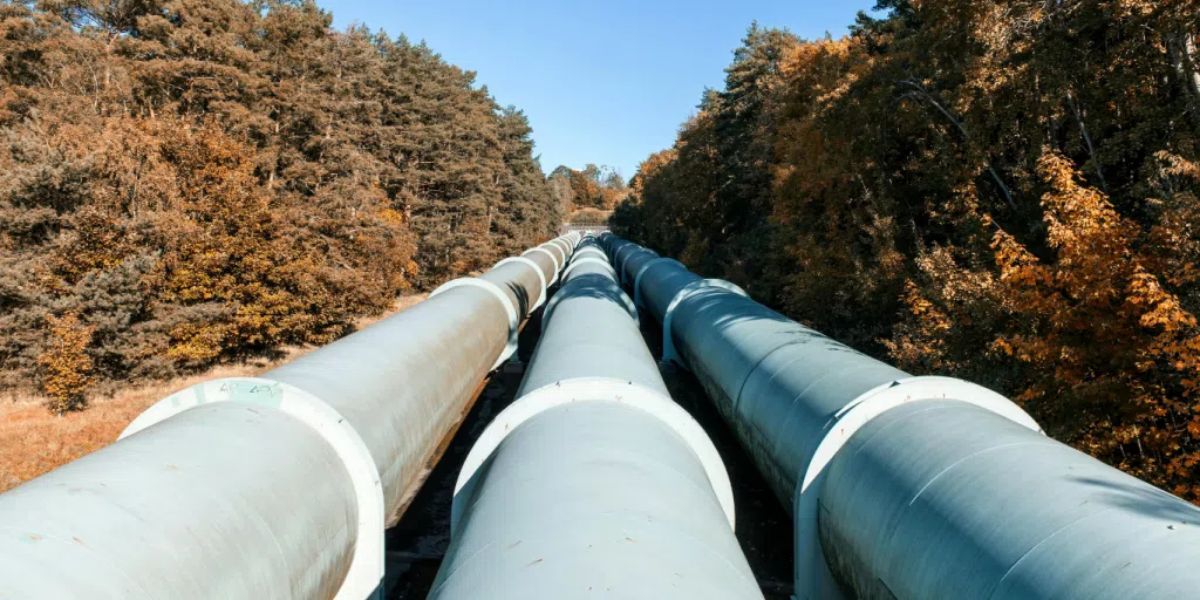
At the center of the dispute are two pipelines that originate at Las Flores Canyon in Santa Barbara County and run to Kern County, where refineries are located. The state argues that the pipelines fall under California’s jurisdiction and should remain regulated by state agencies responsible for pipeline safety and emergency response.
Timeline of Events
The legal conflict traces back to a series of federal actions taken in December, which California claims were rushed and improperly justified.

According to state officials, the Pipeline and Hazardous Materials Safety Administration (PHMSA) issued an order on Dec. 17 to “federalize” two pipelines identified as CA-324 and CA-325. Soon after, on Dec. 22, PHMSA re-designated the pipelines as “interstate”, even though they begin and end within California.
That reclassification shifted oversight away from state regulators and into federal hands. PHMSA also approved Sable Offshore’s plan to restart pumping oil through the pipelines, citing President Donald Trump’s National Energy Emergency Executive Order as part of the justification.
California’s lawsuit argues that this sequence of actions allowed the pipeline restart to move forward under a federal framework that the state believes is less protective and less responsive to California’s unique environmental and coastal risks.
Details From Officials and Federal Regulators
Bonta contends that the emergency cited by the Trump administration does not exist, and that it was used to justify a permit that should not have been granted.
In the lawsuit, Bonta and the Office of the State Fire Marshal argue that PHMSA, a branch of the U.S. Department of Transportation, violated the Administrative Procedure Act by federalizing the pipelines and issuing Sable an emergency permit.

The state claims the decision was arbitrary and capricious, a legal standard that, if proven, can lead to federal actions being overturned by the courts. California’s position is that PHMSA’s reclassification removed state authority without adequate legal or factual basis.
PHMSA, however, defended its decision and said the pipelines had been regulated for decades under federal oversight.
“This pipeline was regulated for decades, under both Republican and Democratic administrations, as an interstate pipeline,” a PHMSA spokesman said in an emailed response.
Federal officials also stated the pipelines were redesignated as intrastate only after they were taken out of service years ago, and that the operator’s request to return the pipeline to federal jurisdiction was appropriate.
“Restarting the Las Flores Pipeline will bring much needed American energy to a state with the highest gas prices in the country,” the PHMSA spokesperson said.
The federal government has positioned the restart as a step toward increasing energy supply and easing costs for consumers.
Gas Prices and the Economic Argument
Supporters of the pipeline restart have pointed to California’s high fuel costs as a reason to support expanded oil transport and production. On Friday, California’s average gas price was $4.215 per gallon, well above the national average of $2.862, with only Hawaii higher at $4.413, according to AAA.
PHMSA also argued that restarting the pipeline could provide regulatory certainty for the operator and increase access to domestic energy supplies.
“We look forward to a swift resolution in this case to provide the operator with regulatory certainty and Californians with affordable American energy,” the PHMSA spokesperson said.
Bonta, however, focused his remarks on what he described as unacceptable environmental and public safety risks, particularly for coastal communities that have lived through major oil spills in the past.
Share your experiences in the comments below.