 by
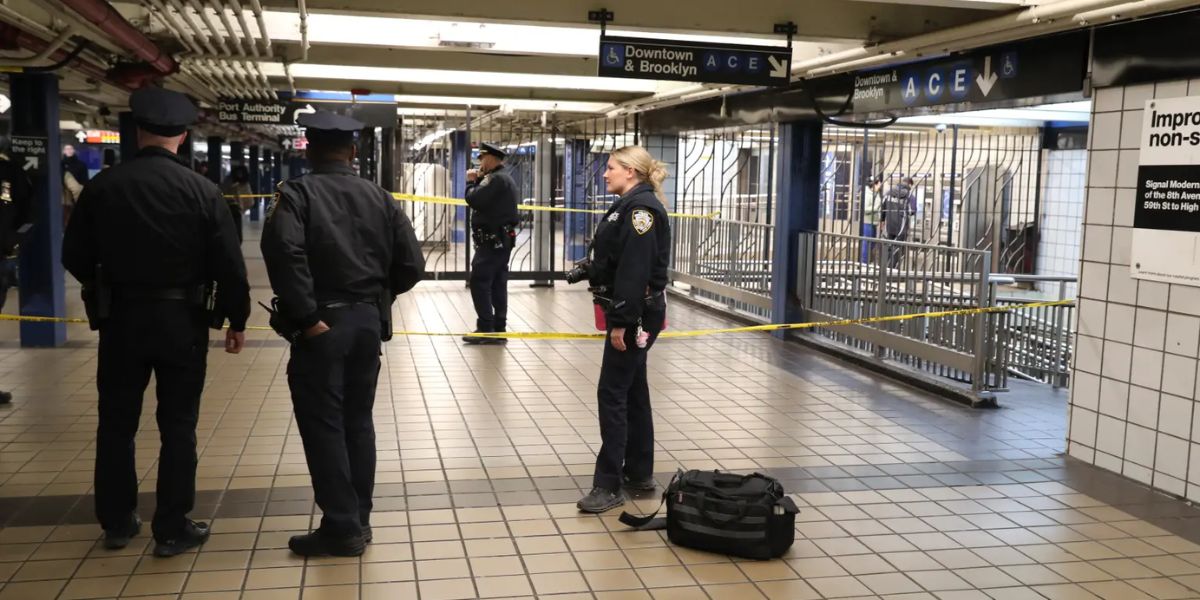
by New York City, NY – More people are carrying guns into New York City’s subway system, but police say intensified enforcement has led to a dramatic rise in weapons seizures and a simultaneous drop in gun violence. New NYPD data shows officers confiscated nearly 150% more firearms underground in 2025 than in 2021, a shift officials credit to heavy police presence across stations and platforms.
Sharp Increase in Subway Gun Seizures
According to NYPD figures provided to The New York Post, officers recovered 77 guns from the subway system in 2025, compared with 31 firearms in 2021, representing a 148% increase in seizures. The rise comes as police have flooded the transit system in response to years of public concern over crime and disorder.
Officials say the higher numbers do not necessarily mean crime is worsening underground, but rather that enforcement has become more effective at intercepting weapons before they are used.

Police Presence Linked to More Arrests
Former NYPD officer and John Jay College adjunct professor Michael Alcazar said visible policing has played a key role in the uptick.
“I think you can attribute the collars to subway riders reporting suspicious activity to police officers who have been visibly present,” Alcazar said.
He added that behavior by armed suspects often draws attention.
“Additionally, bad guys are stupid, police count on that,” Alcazar said. “They’ve been emboldened by the revolving criminal justice system and perhaps feel comfortable carrying weapons with no fear of punishment.”

Alcazar noted that individuals carrying firearms are frequently caught committing lower-level offenses such as turnstile jumping or disorderly conduct, which then lead to gun recoveries.
New Leadership and Enforcement Pressure
Alcazar also suggested leadership changes at City Hall may be influencing arrest numbers. With socialist Mayor Zohran Mamdani newly in office, he believes NYPD leadership has intensified expectations.
“With the new incoming mayor, I’m sure [Police Commissioner Jessica Tisch] has tasked her chiefs to crack the whip,” Alcazar said.
“Bosses always become motivated by a new incoming administration. A desire to be promoted or fear of being demoted.”
Questions About Consequences for Gun Arrests
While police highlight the number of guns removed from the system, some experts question what happens after arrests are made. Joseph Giacalone, a former NYPD sergeant and John Jay College adjunct professor, said enforcement alone may not deter offenders if penalties are weak.
“How many of them were tried and convicted and how many pleaded out to just a slap on the wrist?” Giacalone asked.
“How many of them got community supervision?”
He argued that continued gun carrying, even amid heavy policing, suggests a lack of fear of consequences.
“If you have so many people carrying guns despite all the cops, they don’t fear the law at all,” Giacalone said.
Turnstile Enforcement at the Center of Debate
Giacalone also raised questions about how long aggressive turnstile enforcement will continue under the new mayor, noting that progressive critics have long argued such policing disproportionately targets low-income riders.
“You want to prevent crime in the subway, you have to do it at the turnstile,” Giacalone said.
“Like everything else, we’ll see how the new mayor handles this.”
Police officials have repeatedly stated that fare-evasion enforcement is a key entry point for detecting weapons, outstanding warrants, and other serious crimes.
Gun Violence Declines Despite More Seizures
Despite the surge in confiscated firearms, NYPD officials say 2025 was the safest year on record for gun violence in New York City, including within the transit system. Authorities reported a significant decline in shooting incidents and shooting victims underground, alongside a 4% overall drop in subway crime.
“These results don’t just make the transit system safer — they make it feel safer,” Commissioner Jessica Tisch said in a statement earlier this month.
Recent Subway Gun Crime Highlights Risk
Even with declining violence, serious incidents continue. In one recent case, police said a 35-year-old man was exiting the B/D subway line at Grand Street and Christie Street around 11 p.m. on January 9 when a stranger approached from behind, pulled a gun, and demanded his property.
The suspect fled, and the incident underscores the ongoing risks riders face despite increased enforcement and gun recoveries, as reported by .
Conclusion
The dramatic rise in subway gun seizures reflects both intensified policing and persistent concerns about armed offenders underground. While officials point to historic lows in gun violence, critics argue lasting safety will depend on what happens after arrests — not just how many weapons are taken off the system.
Share your experiences in the comments below.