
 by
by Los Angeles, CA – The Los Angeles County Metropolitan Transportation Authority has officially launched a new “care-based services division,” replacing traditional law-enforcement-led responses with teams of social workers and outreach staff on a transit system that continues to struggle with violent crime. Officials say the initiative focuses on dignity and appropriate responses, but critics warn it comes as assaults and overall crime on Metro buses and trains remain significantly higher than pre-pandemic levels.
Care-Based Services Division Explained
The newly formed division is one of four units within Metro’s Department of Public Safety and consolidates several existing non-police programs into a single structure. According to Metro leadership, the goal is to provide what the agency calls “care-centered public safety” rather than relying solely on armed enforcement.
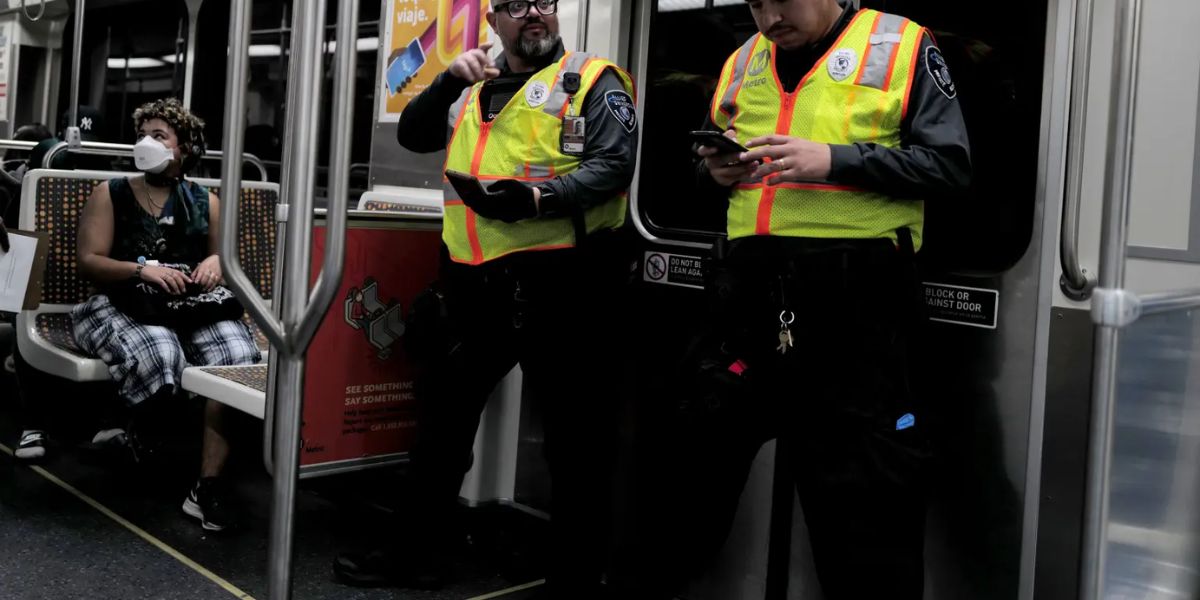
The division combines Metro Ambassadors — unarmed staff in high-visibility shirts who assist riders and report issues — with HOME teams focused on homeless outreach, community intervention specialists drawn from local communities, and newly created crisis response teams.

Role of Social Workers and Crisis Teams
Metro officials say the crisis response teams will include mental health clinicians, including social workers, intended to handle situations involving behavioral health or substance-abuse crises.
“Well over 80% of calls for service are unrelated to crimes, but rather are people seeking help to address societal issues,” said Craig Joyce, who leads the care-based services division, in comments reported by .
Joyce emphasized that the approach is designed to deploy what Metro considers the “right response” to non-criminal situations, especially those involving homelessness, addiction, or mental health emergencies.
Crime Data Raises Safety Concerns
Despite Metro’s optimism, recent crime statistics raise questions about whether a care-first approach can address persistent violence on the system. In 2025, there were 286 aggravated assaults reported on Metro buses and rail lines, a sharp increase from 207 aggravated assaults in 2019, the last full year before the pandemic.

Overall crime has also risen. Metro reported 2,747 total crimes in 2019, compared with 4,354 crimes in 2025, according to agency data. Critics argue these figures undermine claims that non-enforcement strategies alone can stabilize rider safety.
Not a Replacement for Police — Yet
Metro officials stress that the new division does not eliminate sworn law enforcement from the transit system. The care-based teams will operate in addition to transit security officers, contract security, and police officers from partner agencies.
Currently, officers from the Los Angeles Police Department, Long Beach Police Department, and the Los Angeles County Sheriff’s Department continue to patrol Metro stations, trains, and buses systemwide.
However, Metro has acknowledged that one objective of the new division is to reduce reliance on traditional law enforcement, a point that has drawn criticism from riders and public-safety advocates.
Critics Question Effectiveness on the Ground
Opponents argue that unarmed ambassadors and outreach workers lack the tools to intervene during violent incidents. Some riders report seeing ambassadors clustered together or focused on their phones, rather than actively addressing safety concerns on platforms and trains.

While outreach may help connect individuals to services, critics say it does little to deter assaults, intimidation, or open drug use that many passengers report encountering during daily commutes.
Homeless Outreach Results vs. Rider Safety
Since Joyce joined Metro in 2023 to oversee homeless outreach, the agency reports a 38% reduction in individuals experiencing homelessness on the transit system, attributing the decrease to sustained engagement efforts.
Still, public-safety experts caution that fewer unhoused individuals on the system does not automatically translate to safer conditions, particularly when violent or threatening behavior exceeds what social workers can manage without enforcement support.
Metro Police Force Still Years Away
Metro is also in the process of building an in-house Metro Police Department, but officials have said it is not expected to be fully staffed or operational until 2029. Until then, the care-based services division will remain a visible presence on the front lines alongside contracted and partner law enforcement agencies.
Conclusion
As Los Angeles Metro expands its care-based approach, the agency faces mounting pressure to demonstrate that compassion-driven strategies can coexist with meaningful crime reduction. With assault numbers still elevated and a dedicated Metro police force years from completion, rider confidence may depend on whether safety outcomes improve — not just intentions.
Share your experiences in the comments below.