 by
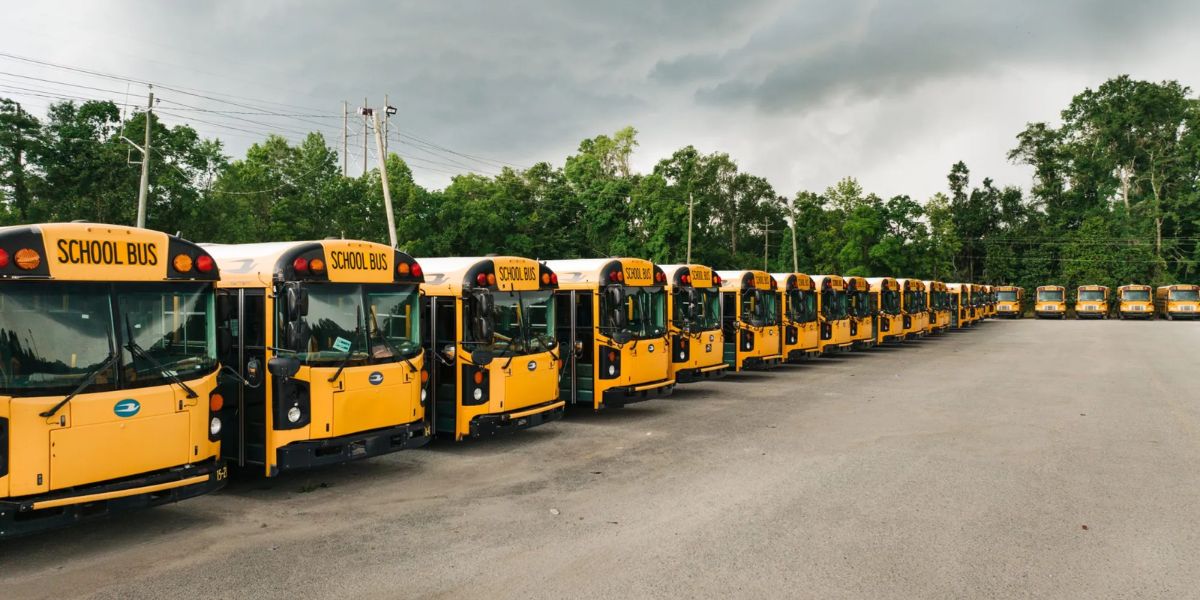
by Rome, GA – The city of Rome, Georgia, is facing a $5 million financial hit after it was discovered that federal transit funds were improperly used for school bus operations for decades. The issue arose from buses known as “trippers,” which were essentially white-painted public buses used to transport students without stop arms or public pick-up procedures.
The city relied on Federal Transit Administration (FTA) funds to operate the fleet for about 30 to 40 years, until a 2019 Georgia Department of Transportation audit revealed the funding was intended strictly for regular public transit, not school transportation.
Audit Findings and Financial Impact
The audit prompted the FTA to demand repayment for the remaining useful life of 28 tripper buses. The total taxpayer cost includes:
- $3.5 million for purchasing a replacement school bus fleet
- $1.5 million settlement with the FTA
- Additional administrative and repayment costs
Mayor Craig McDaniel emphasized the burden on residents:
“It’s all tax dollars. It all came out of somebody’s pocket that gets up every day and goes to work and pays tax money.”
Settlement Details
The city commission approved a settlement with the FTA earlier this month, requiring Rome to:
- Pay $431,720 from the proceeds of selling most of the tripper buses at auction
- Pay the remaining $1.06 million in installments, deducted from future transit grants over six to seven years
- Use unspent Transit Trust Funds for the first $65,000 payment
City Manager Sammy Rich said the payment plan was preferable to using general city funds, which would have been far more financially painful.

Background on Tripper Buses
The “tripper” service ran from about 1980 to 2019, using buses that looked like public transit vehicles, lacked stop arms, and did not stop for non-student passengers. After the 2019 audit, the city discontinued the service, forcing Rome City Schools to establish its own transportation department.
Jim Alred, a spokesman for Rome City Schools, noted the district spent $3.5 million acquiring a dedicated school bus fleet after the audit.
Unanswered Questions
City officials remain uncertain about how the funding issue arose. Rich said it’s unclear whether prior permission was given, rules were bent, or regulations changed over time.
Former Mayor Bill Collins highlighted concerns about safety issues with the tripper buses, including lack of stop arms and potential adult passengers riding along with students.
Political Context
Rome, with a population of 39,000, falls within U.S. Rep. Marjorie Taylor Greene’s district, though her office has not commented. Past assistance came from former Rep. Tom Graves and late Senator Johnny Isakson, who participated in meetings in Washington to address the issue.

Mayor McDaniel summed up the situation:
“For the city of Rome, it just is what it is. I don’t know that I could point a finger at one person or at one entity and say they did anybody wrong. It’s just a situation where there was an unknown there, until we finally found out what they were going to do.”
Community Impact
The settlement underscores the risks of misused federal funding and the potential long-term impact on taxpayers and school systems. Rome officials are now balancing repayment obligations with funding for ongoing public services.
This case raises questions about federal oversight, municipal spending, and accountability.
Should cities be more closely monitored when using federal grants? How can local governments prevent long-term funding mistakes like this?
Share your insights in the comments — community discussion can help promote transparency and prevent similar issues in the future.