
 by
by Austin, Texas — Texas officials have finalized new rules for the Education Savings Account (ESA) program, formally established under Senate Bill 2 (SB 2), allowing eligible families to access up to $1 billion annually for private school tuition, educational therapies, and other learning resources.
Acting Texas Comptroller Kelly Hancock announced on November 25 that the final rules had been filed with the Texas Secretary of State and will take effect 20 days from filing, paving the way for families to apply for the 2026–2027 school year.
Program Overview and Eligibility
SB 2, which passed earlier this year, introduced universal Education Savings Accounts, also called the Texas Education Freedom Accounts (TEFA) program, as part of the state’s ongoing efforts to expand school choice.

Under the program, each participating student is eligible for at least $2,000 annually, which can be used for tuition, tutoring, educational therapies, textbooks, and other approved learning resources.
Additional funding is available for certain students:
- Students attending accredited private schools or “at-risk” pre-kindergarten students may receive more than $10,000 annually.
- Students with disabilities, as determined by an Individualized Education Program (IEP), may receive up to $30,000 per year.
The program is designed to serve up to 100,000 students, with 80% of spots prioritized for low-income students and those with disabilities if applications exceed the cap. The Comptroller’s office confirmed that a family’s adjusted gross income will determine prioritization.
All students are eligible to apply, whether they are enrolled in public or private schools or homeschooled.

Timeline and Implementation
Although SB 2 became law on September 1, 2025, the TEFA program’s final rules will take effect within 20 days from November 25. The Comptroller’s office outlined the following upcoming milestones:
- December 9, 2025: Eligible accredited private schools and providers participating in Parent-Directed Special Education Services will be invited to join the program.
- February 4, 2026: Online applications for Texas families will open, in advance of the 2026–2027 school year.
While the current annual allocation is $1 billion, reports suggest funding could increase to $4.5 billion per year by 2030, reflecting the state’s growing emphasis on school choice and parental control over education spending.
Political Reactions and Controversy
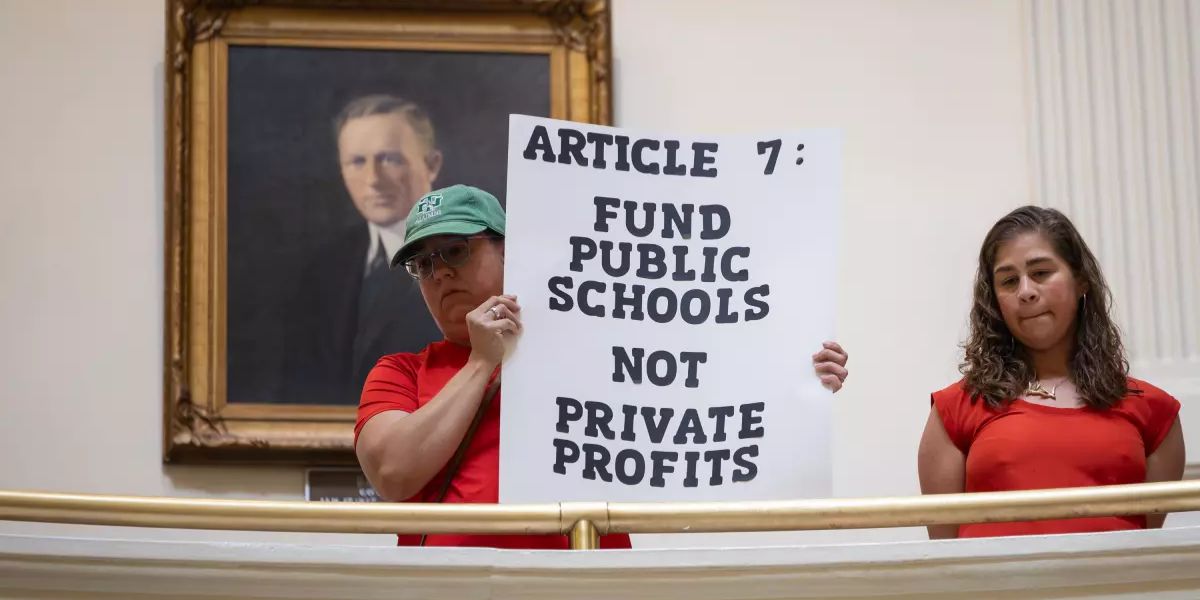
The ESA program has been divisive among Texas lawmakers. Following the final passage of SB 2, the Texas Senate Democratic Caucus issued a statement expressing strong opposition, describing the legislation as a “deeply flawed voucher scheme” that diverts taxpayer dollars from public schools to private institutions.
Supporters argue that the TEFA program expands access to personalized education opportunities, especially for students who require additional educational support or face unique learning challenges.
How Will Your Family Use TEFA?
Will the Texas Education Savings Accounts change your approach to schooling or tutoring? Share your thoughts and experiences in the comments — your voice matters in shaping education in Texas.