

 by
by WASHINGTON, D.C. – Millions of Americans who rely on SNAP benefits will face significant changes starting in December, as the U.S. Department of Agriculture (USDA) implements new rules tightening work requirements and narrowing exemptions. The updates come under the One Big Beautiful Bill Act (OBBBA), which reshapes long-standing policies for adults receiving food assistance.
Changes to Work Requirements
The Supplemental Nutrition Assistance Program (SNAP) currently provides aid to roughly 42 million low- and no-income Americans. Under the new rules, most adults between 18 and 64 who do not live with a child under 14 will be required to complete at least 80 hours of qualifying activity per month to maintain benefits.
Eligible activities include paid or unpaid work, volunteering, community service, or participation in SNAP Employment & Training programs, or a combination of these options.

Previously, certain groups—including homeless individuals, veterans, and young adults who aged out of foster care by age 24—were exempt from these work requirements. Under the new guidance, these exemptions have largely been removed, expanding the number of adults now subject to the rule.
Exemptions That Remain
Some groups remain exempt, including:
- Individuals under 18 or over 64
- Adults living with a child under 14
- Pregnant individuals
- People unable to work due to physical or mental limitations
- Certain Native Americans, caregivers for incapacitated individuals, and those attending drug or alcohol treatment programs
The USDA emphasizes that specific cases detailed in the guidance may also qualify for exemptions.
Government and Expert Perspectives
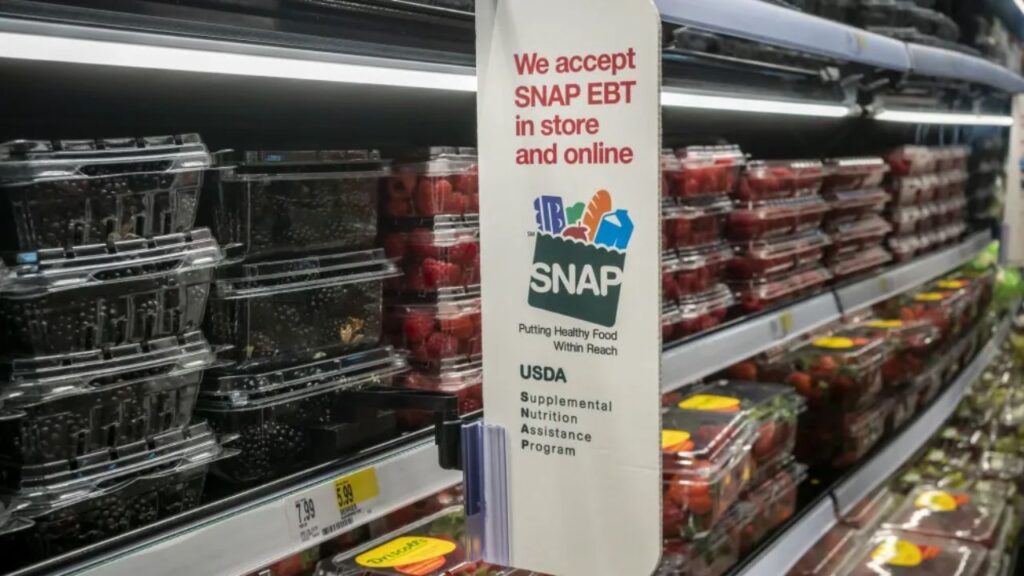
Agriculture Secretary Brooke Rollins has defended the changes, stating that the OBBBA “strengthens work requirements” and aims to “tackle the fraud and waste that has affected the program.”

However, experts warn of potential challenges for many SNAP recipients. Cindy Long, former deputy undersecretary for Food Nutrition and Consumer Services at the USDA, told Newsweek that workers in unstable, low-paid jobs may struggle to meet the 20-hour weekly requirement. She noted that the volatility of these jobs could lead to underemployment or difficulties documenting hours, increasing the risk of losing SNAP benefits under the new three-month limit.
Earlier this year, House Speaker Mike Johnson defended the legislation, saying, “If you are able to work and you refuse to do so, you are defrauding the system… When you make young men work, it’s good for them, it’s good for their dignity, it’s good for their self-worth, and it’s good for the community.”
Reapplication Requirement
In addition to the tightened work requirements, the USDA plans to require all SNAP recipients to reapply for benefits, even though regular recertification is already a standard part of the program. A USDA spokesperson said the step is intended to reduce fraud, waste, and abuse within SNAP.
Looking Ahead
As these changes take effect in December, millions of adults across the country will need to adjust their work schedules or participation in qualifying activities to maintain benefits. Advocates and policymakers are closely watching how these reforms will impact low-income households, particularly those balancing unstable employment with family responsibilities.
How will the new SNAP work requirements affect you or your community? Share your thoughts and experiences in the comments below!